Saturday, November 5, 2022

How the Albanian mafia corrupted Europe
SManalysis

How the Albanian mafia corrupted Europe

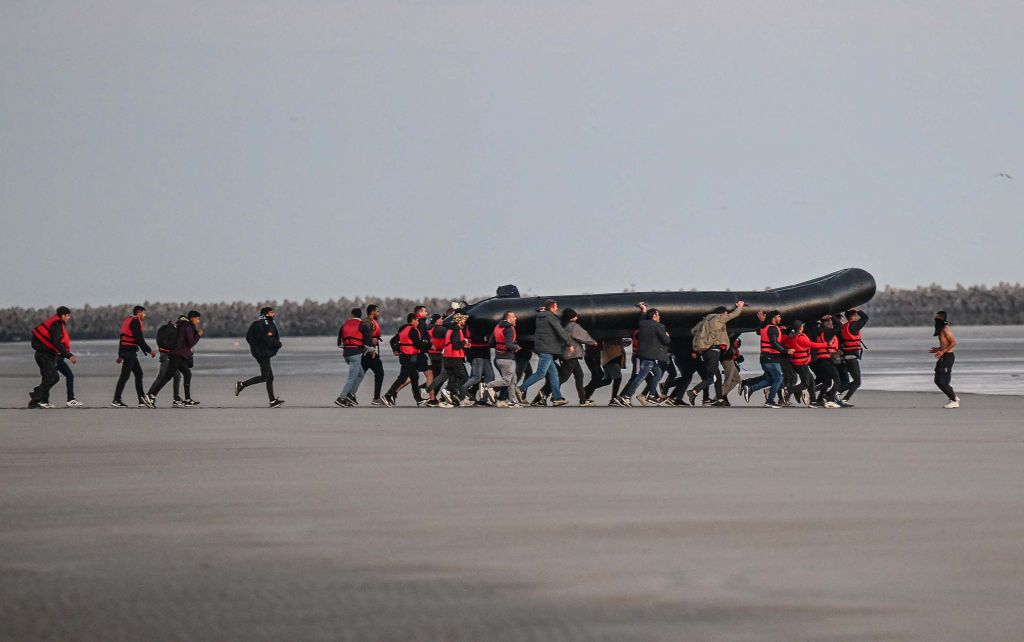
(Photo: Getty)

In May 2000 a French newspaper published an article which declared that ‘The Albanian mafia is corrupting Europe’. Le Parisien reported on an official Interpol document that described a ‘perfectly organised’ criminal network emanating from Albania, with its tentacles spreading west. Drugs, prostitution, gun-running and illegal immigration were the pillars of this syndicate, which had strong links with the Italian and Turkish mafias. 

The Interpol report noted that 40 per cent of the heroin dealers arrested in Austria the previous year were Albanian, and Le Parisien reminded its readers that recently prostitution networks in the cities of Nice, Toulouse, Strasbourg, Metz and Nancy had been run by the Albanian mafia. 

A month after the newspaper report a book was published in France called The Albanian Mafia – a menace for Europe. It was a disturbing portrayal of a criminal enterprise that ‘even inspires great respect among the powerful mafia families of Sicily.’   

While the 1990s had not been a good decade for the Sicilian mafia, pursued ferociously by the Italian authorities after the assassinations in 1992 of two high-ranking judges, it was a profitable time for Albanian criminals because of the war in Kosovo. A member of the American diplomatic corps in Kosovo told the book’s authors that in return for money and contraband, the Kosovo Liberation Army (KLA) had bestowed on the mafia ‘political legitimacy’.  

That helped the Albanian mafia enlarge its sphere of operations so that by 2000 it controlled more than 70 per cent of the heroin market in Austria, Germany and the Scandinavian countries, pimped out thousands of prostitutes across Europe and organised highly lucrative burglaries, often carried out by former policemen or veterans of the KLA. ‘In France the problem is still in its infancy but its development is imminent,’ warned the authors.  

The problem did indeed mature in the two decades that followed, and accelerated in 2010 when the Council of the European Union approved visa-free travel to the EU for Albanian citizens, a year after the country applied to join the bloc.  

Albanians soon headed west, first to Germany and then, when Berlin began rejecting their demands en masse, to France. In 2017 there were 7,630 asylum applications in France – a 66 per cent increase on 2016 – prompting the then-Minister of the Interior, Gérard Collomb, to visit Tirana in December that year in an attempt to persuade the Albanian government to strengthen its controls on people leaving the country.  

His diplomatic foray proved futile. In 2018 asylum applications rose to 8,261, of which only 6.5 per cent were successful (in the UK 55 per cent of Albanian applications are successful). By now the French government understood who was behind the exodus and a report published by the Ministry of Justice in the autumn of 2018 highlighted the role being played by the mafia.  

The mafia’s principal industries were burglary, drugs and migrant smuggling. The report gave some examples. Five Albanians between November 2017 and October 2018 carried out 98 burglaries in 11 regions of France, netting a haul of €423,000.  

Meanwhile, its drug trade was based out of cities in eastern France. Business was booming and the police in France were working flat out to smash well-organised heroin and cocaine networks run by Albanians.  

Meanwhile the French Ministry of Justice described illegal immigration as a burgeoning branch of the Albanian mafia. In 2018 the French dismantled 18 Albanian smuggling networks and made 83 arrests, but despite their endeavours the mafia continued to traffic people from Asia and the Middle East into Europe, ‘notably to Great Britain’.  

Most of the smuggling at this time was in lorries but as the British and French authorities tightened security at Channel ports the Albanians began looking at alternatives. Why not boats from remote stretches of coastline?  

The first crossings were made in the autumn of 2018; just a few hundred at first, but once the mafia realised how easy it was, and how benevolent the British authorities were to those who came ashore – in large part because of Theresa May’s Modern Slavery Act of 2015 – a flotilla of boats began to cross the Channel.   

This point was made last week by Dan O’Mahoney, Clandestine Channel Threat Commander, to the Home Affairs Select Committee: ‘The rise has been exponential and we think that is, in the main, due to the fact that Albanian criminal gangs have gained a foothold in the north of France,’ he explained.  

In 2019, 1,843 migrants came across by boat, in 2020 8,466, and this year 39,430 have made the crossing up to the end of October. Among that number are 12,000 Albanians, 10,000 of whom are single men, most between 18 and 35. Some may intend to seek legitimate employment, but many are in Britain to work for the mafia.  

They’ve set up a thriving business empire on continental Europe and now they want to do the same in Britain. They are already well on their way. As the Sun reported in 2019, Albanians have accomplished ‘a near total takeover of Britain’s £5 billion cocaine industry.’  

In a newspaper column this week the MP David Davis said that in the last two years police in his Humberside constituency have ‘run six operations targeting groups linked to Albanians suspected of offences ranging from drug crime to fraud’. Davis believes the crisis must be tackled at its source, in Albania.   

It should and if their government refuse to cooperate the EU should re-examine Albania’s candidature because Le Parisien in 2000 was right: the Albanian mafia is corrupting Europe. Perhaps it already has

5 November 2022, 


In May 2000 a French newspaper published an article which declared that ‘The Albanian mafia is corrupting Europe’. Le Parisien reported on an official Interpol document that described a ‘perfectly organised’ criminal network emanating from Albania, with its tentacles spreading west. Drugs, prostitution, gun-running and illegal immigration were the pillars of this syndicate, which had strong links with the Italian and Turkish mafias. 

The Interpol report noted that 40 per cent of the heroin dealers arrested in Austria the previous year were Albanian, and Le Parisien reminded its readers that recently prostitution networks in the cities of Nice, Toulouse, Strasbourg, Metz and Nancy had been run by the Albanian mafia. 

A month after the newspaper report a book was published in France called The Albanian Mafia – a menace for Europe. It was a disturbing portrayal of a criminal enterprise that ‘even inspires great respect among the powerful mafia families of Sicily.’   

While the 1990s had not been a good decade for the Sicilian mafia, pursued ferociously by the Italian authorities after the assassinations in 1992 of two high-ranking judges, it was a profitable time for Albanian criminals because of the war in Kosovo. A member of the American diplomatic corps in Kosovo told the book’s authors that in return for money and contraband, the Kosovo Liberation Army (KLA) had bestowed on the mafia ‘political legitimacy’.  

That helped the Albanian mafia enlarge its sphere of operations so that by 2000 it controlled more than 70 per cent of the heroin market in Austria, Germany and the Scandinavian countries, pimped out thousands of prostitutes across Europe and organised highly lucrative burglaries, often carried out by former policemen or veterans of the KLA. ‘In France the problem is still in its infancy but its development is imminent,’ warned the authors.  

The problem did indeed mature in the two decades that followed, and accelerated in 2010 when the Council of the European Union approved visa-free travel to the EU for Albanian citizens, a year after the country applied to join the bloc.  

Albanians soon headed west, first to Germany and then, when Berlin began rejecting their demands en masse, to France. In 2017 there were 7,630 asylum applications in France – a 66 per cent increase on 2016 – prompting the then-Minister of the Interior, Gérard Collomb, to visit Tirana in December that year in an attempt to persuade the Albanian government to strengthen its controls on people leaving the country.  

His diplomatic foray proved futile. In 2018 asylum applications rose to 8,261, of which only 6.5 per cent were successful (in the UK 55 per cent of Albanian applications are successful). By now the French government understood who was behind the exodus and a report published by the Ministry of Justice in the autumn of 2018 highlighted the role being played by the mafia.  

The mafia’s principal industries were burglary, drugs and migrant smuggling. The report gave some examples. Five Albanians between November 2017 and October 2018 carried out 98 burglaries in 11 regions of France, netting a haul of €423,000.  

Meanwhile, its drug trade was based out of cities in eastern France. Business was booming and the police in France were working flat out to smash well-organised heroin and cocaine networks run by Albanians.  

Meanwhile the French Ministry of Justice described illegal immigration as a burgeoning branch of the Albanian mafia. In 2018 the French dismantled 18 Albanian smuggling networks and made 83 arrests, but despite their endeavours the mafia continued to traffic people from Asia and the Middle East into Europe, ‘notably to Great Britain’.  

Most of the smuggling at this time was in lorries but as the British and French authorities tightened security at Channel ports the Albanians began looking at alternatives. Why not boats from remote stretches of coastline?  

The first crossings were made in the autumn of 2018; just a few hundred at first, but once the mafia realised how easy it was, and how benevolent the British authorities were to those who came ashore – in large part because of Theresa May’s Modern Slavery Act of 2015 – a flotilla of boats began to cross the Channel.   

This point was made last week by Dan O’Mahoney, Clandestine Channel Threat Commander, to the Home Affairs Select Committee: ‘The rise has been exponential and we think that is, in the main, due to the fact that Albanian criminal gangs have gained a foothold in the north of France,’ he explained.  

In 2019, 1,843 migrants came across by boat, in 2020 8,466, and this year 39,430 have made the crossing up to the end of October. Among that number are 12,000 Albanians, 10,000 of whom are single men, most between 18 and 35. Some may intend to seek legitimate employment, but many are in Britain to work for the mafia.  

They’ve set up a thriving business empire on continental Europe and now they want to do the same in Britain. They are already well on their way. As the Sun reported in 2019, Albanians have accomplished ‘a near total takeover of Britain’s £5 billion cocaine industry.’  

In a newspaper column this week the MP David Davis said that in the last two years police in his Humberside constituency have ‘run six operations targeting groups linked to Albanians suspected of offences ranging from drug crime to fraud’. Davis believes the crisis must be tackled at its source, in Albania.   

It should and if their government refuse to cooperate the EU should re-examine Albania’s candidature because Le Parisien in 2000 was right: the Albanian mafia is corrupting Europe. 

Friday, November 4, 2022

Why Albanians come to Britain

SManalysis


4 November 2022, 12:12pm


Afriend of mine works in a surgery in London where lots of asylum seekers go for treatment. The caseload is a snapshot of current trends in illegal immigration, and at present that means lots of Albanians. 

Yep, that’s the migrant influx across the Channel we’ve been hearing so much about, and which the Albanian PM, Edi Rama, has been blaming on the British government: ‘It’s not about Albanians or aliens or gangsters, but it’s about failed policies on borders and on crime,’ he said this week. 

Three cases give an idea of what’s going on. One patient was a nurse from Tirana, Albania’s capital, but had found it impossible on a nurse’s wage to buy somewhere to live. She’s also rather a plain girl and her marriage prospects were slim. So she saved up her money to pay the people traffickers; the going rate to get to Britain starts around £3,000-4,000 and can go up to £10,000. Getting across Europe isn’t hard; it’s getting from France that’s the issue. 

Then there was a man from northern Albania who was wounded fighting with the KLA in Kosovo and nearly blind with diabetes; his son, aged 18 or so, was with him; he has serious health conditions which can’t properly be treated at home; besides, social welfare is more generous here. 

The third was a married couple with a young child from the south; the wife was a nurse. The cross-Channel journey in the dinghy was hell; there had been water up to their waists for what seemed like hours. But when the British boat – presumably the coastguard – arrived, everything changed. It was, like, she said, the promised land. The husband had a reason for wanting out of Albania; his family was involved in a blood feud. She was scared of the traffickers: terrorists, she called them. Certainly she wasn’t going to shop them; they’re here and if anyone gives them trouble, it would be tricky for their family back home. 

Are these legitimate asylum seekers in the sense of having a well founded fear of persecution? I’d say not, myself. But they’re not simply economic migrants either.  

Why leave Albania – parts of which are beautiful – for an unprepossessing bedsit in a dispiriting London borough? The experts I sounded out, friends and a friend of a friend, interestingly don’t focus primarily on the economy to explain the exodus – because it really is an exodus of the younger generation. Rather, it’s to do with Albania being a failed state: the absence of the rule of law, the sense that the place is being run by a corrupt coterie for its own benefit, the hopelessness about the prospects for change, the narco-economy. One recent paper put the number who’ve left the country since the advent of Edi Rama, the socialist prime minister, in 2013, at 700,000. If Rama wants to know what’s really behind the exodus of Albanians, he could do worse than look in the mirror.

Romeo Gurakuqi, a conservative MP in Albania until he was dropped by his party at the last election, used to be terrifically idealistic about politics 20 years ago. He says flatly that the way Albania is governed doesn’t square with it being a member of Nato and a candidate for EU membership: ‘The way of governance, arrogance, inequality, corruption, lack of control of the rule of law, lack of guarantee for the development of business and foreign investments in the country, have all increased the depression in society,’ he says.

Turkey’s president Erdogan is a close ally of Rama’s; he’s funding yet another mega mosque, in Albania, as part of his grand project to revive Ottomanism. But this type of investment is unusual.

For most Albanians, says Gurakuqi, times are hard: ‘Albanian society is in a deep depression, not only economic and social, but also a state of anxiety, insecurity about life, which extends to the lower and middle classes of society’.

Gurakuqi notes that many of the arrivals to the UK are from his own area, northern Albania; it’s discriminated against, he says, by a political class dominated by the south. He adds:

‘Why do they only come to the UK? I think that they are spread all over continental Europe. They move freely because Albania is part of the Schengen agreement.  But they think the UK offers more opportunities.’

You could add to that other factors identified in a report by the German Konrad Adenauer Foundation in 2020. It points to the bizarre land reforms that followed the fall of the Hoxha regime in the early 1990s. The communists appropriated private property in 1945; when the regime fell, a new law – 7519 – recognised the ownership of the land by those farming it, while also recognising the land was confiscated. So, no one owns it until compensation is paid, and the compensation process takes forever. With little secure ownership, there’s no incentive to invest in agriculture; the resulting exodus is especially acute from rural villages.  

According to Eurostat, the number of Albanian asylum seekers is the highest in relation to population anywhere. The population fell between the beginning of this year by 14 per cent since 1990, to just under 2.8 million. Most of that fall is attributable to emigration, legal and illegal. 

Afrim Krasniqi, director of the Institute of Political Studies, observes that emigration is on two levels:

‘The first and less talked about is the migration of professionals towards technologically advanced countries such as Germany. The second is related to the emigration of poorly educated (but not necessarily poor) individuals heading mostly to Britain. Numerically, the first category is significantly larger, but it does not attract the attention of the media, as it is legal migration that’s actually liked by the countries concerned.’

Although he identifies the dearth of Western investment as a problem, he too sees a bigger issue:

‘The concept of the rule of law and functional democracy here is neither effective nor appealing; a large and growing part of the citizens do not believe in  change as a process they can affect. We are not dealing with political violence, but with high level corruption that significantly limits political freedoms and average living standards. It’s not poverty that pushes people away, it’s social insecurity and a lack of faith in change.’

Another friend, a former senior public servant, blames Rama for the collapse in standards in public life. There were reports this week, for instance, about the number of flights the PM took by private jet. This friend sent me a succession of stories on the alleged misconduct of the last election, but the most telling thing was that he didn’t want to be named; he was afraid. 

The mystery is that there’s so little critical scrutiny of the Albanian political class and government by Western embassies, including Britain’s. Some observers put this down to corruption. Krasniqi observes that ‘the EU but also the UK do not have an active or effective strategy in Albania; the priority is the short-term interest in stability and control, not that of functional democracy and open societies…The model of the Albanian and regional politician that is promoted by the “West” is mainly the wrong model that the citizens here do not want, that of the strong, arrogant, corrupt and authoritarian politician.’

One response to the influx of Albanians to Britain is to send them home. Fine; fair enough. Ignore Edi Rama – whose party, it should be noted, is pretty well a successor to that of the unlamented dictator, Enver Hoxha. The harder option is to confront the problems in Albania – endemic corruption, a narco-elite and a rotten political class – through diplomacy, the intelligent deployment of international aid, and a robust approach to money laundering. You could, of course, do both. 

Melanie McDonagh
WRITTEN BYml

"This is the destruction of the agreement. We can't take it anymore"

SManalysis


The representative of the Serbs from Kosovo and Metohija, Goran Rakić, commented on the new situation in Kosovo and Metohija.

SOURCE: B92 FRIDAY, NOVEMBER 4, 2022 | 17:47

"These days, and especially yesterday, the Albanian regime has shown that it is not interested in anything. Neither the CSM (Community of Serbian Municipalities), nor the Serbian people, and we are particularly concerned that (North Mitrovica regional police director) Nenad Djurić was suspended at the suggestion of the police inspectorate," Rakić said at the press conference.

"This is the final straw... This is the destruction of the agreement... We cannot tolerate it anymore," said Rakić and stated that on Saturday there will be a meeting of representatives of the Serbs from Kosovo and Metohija on how to react to this situation, i.e. whether they will leave the institutions in Kosovo and Metohija.

Rakić stated that a protest will be held tomorrow, where Serbs will democratically express their dissatisfaction with the dismissal of police officer Nenad Djurić.

Police officer Nenad Djurić stated at the press conference that he will no longer be a member of the police, stressing that he wants to appear before God's court with a clean face.

"Strengthened by all this, I want to tell you that past generations do not allow me to act differently. Everything is mine here, my family, which I love immensely, and there is no blackmail that can make me leave it," Djurić said.

Serbs from KiM: "The only option left is to pack our belongings or defend ourselves"

SManalysis


Representatives of Serbs from Kosovo and Metohija talked with the President of Serbia, Aleksandar Vučić.

SOURCE: B92 FRIDAY, NOVEMBER 4, 2022 | 12:58
 
As reported by the media, the last 72 hours are expected to be the most difficult for our country in the last 10 years, and the talks with the president lasted all night.

Due to the seriousness of the situation, the President of Serbia has canceled official trips, and on Saturday at 10:00 a.m., he will meet the ministers regarding the new events in Kosovo and Metohija at the Serbian Government meeting.

The Government session was called for Saturday after the latest tensions in the north of Kosovo and Metohija and the suspension of the regional commander of the Kosovo Police for the North, Nenad Djurić, by Pristina, as well as after Vučić's talks with the Serbs there.

Serbs from Kosovo, in a conversation with President Aleksandar Vučić, said that all they had to do was pack their belongings onto tractors or defend themselves, the media reports.

Biden made an extraordinary address: American democracy is under attack?

SManalysis


President Biden issued an impassioned condemnation of his predecessor Donald Trump and other Republicans on Wednesday night for encouraging political violence.

SOURCE: B92, TANJUG THURSDAY, NOVEMBER 3, 2022 | 08:08

Biden accused Trump of inspiring the announcements of some Republican candidates that they will refuse to accept the results of the upcoming elections if they lose, and that this represents a threat to democracy.

Biden, in his extraordinary address to the nation, called on Americans to unite in opposition to "political violence" in the parliamentary elections scheduled for November 8, BBC reports.

U.S. President said that "American democracy is in peril" because Trump did not accept the results of the 2020 election in which he lost.

"He refuses to accept the will of the people, he refuses to accept that he lost," Biden said. Biden said Trump's "big lie that the 2020 election was stolen" was the impetus for both the attack on House Speaker Nancy Pelosi's husband, Paul Pelosi, and the 2021 Capitol riot.

“As I stand here today, there are candidates running for every level of office in America - for governor, Congress, attorney general, secretary of state - who won’t commit, they will not commit to accepting the results of the elections that they’re running in,” Mr. Biden said, adding: “This is the path to chaos in America. It’s unprecedented. It’s unlawful. And it’s un-American.”

“It’s a lie that fueled a dangerous rise in political violence and voter intimidation over the past two years", Biden concluded.

Thursday, November 3, 2022

Vučić confirmed: I signed, there is no time to waste

SManalysis


President of Serbia, Aleksandar Vučić, attended today the joint exercise of the Serbian Armed Forces "Maneuvers 2022".

SOURCE: B92 THURSDAY, NOVEMBER 3, 2022 | 15:10

On the statement that individuals from the environment are commenting that the drones that were shot down were invented, he said that it was true that it was shot down, and that more should have been shot down.

"That is our task. I am satisfied. We introduced 294 large pieces of equipment into the armament of the Serbian Armed Forces. There is a big difference between those who invested in the army and those who disarmed it for no reason," said Vučić.

Vučić said that some cannot understand that someone wants his country to be independent in reasoning and decision-making.

"Our job is to work in the interest of the citizens of Serbia," he said. In addition to Vučić, General Milan Mojsilović and Defense Minister Miloš Vučević also attended the exercise. The exercise was held in the "Pasuljanske livade" military complex.

After the exercise, Vučić addressed the media.


Foto: Predsedništvo
Foto: Predsedništvo
He said that we are in a specific situation and added that we have to produce everything ourselves.

"Even what we pay for, we wait for two years, and it can't come from the east because no one will let them pass. We have to dedicate ourselves to producing enough weapons, tools and ammunition," said Vučić.

He pointed out that he will have a complete list of assets by the New Year and that the military industry must be modernized. "We have to focus on ourselves. We have to go beyond the framework of 1990. I will not be wrong if I say that we have changed a lot and that our abilities have been significantly improved. But, I am not satisfied," said Vucic.

He added that Serbia can only count on itself. On the statement that individuals from the surrounding countries are commenting that the drones that were shot down were invented, he said that it was true that it was shot down, and that more should have been shot down.

"Yes, we shot down a drone. They should have shot down more. That's why I signed, there's no wasting time... That's our task. I'm satisfied. We introduced 294 large pieces of equipment into the armament of the Serbian Army. There is a big difference between those who invested in the army and those who disarmed it," said Vučić. He added that some cannot understand that some people want his country to be independent in reasoning and decision-making.

"Our job is to work in the interest of the citizens of Serbia," he said.

Albania's PM says Britain is becoming a 'madhouse' as the country's Prince Leka brands MPs 'purely xenophobic' after Suella Braverman blamed Albanians for rise in number of migrant Channel crossings Albanian PM Edi Rama accused Suella Braverman of 'fuelling xenophobia' with comments about migrants

SManalysis


He said it is 'insane' to blame his country for Britain's immigration woes, claiming it is about UK policy failure
Comes after Home Secretary described an 'invasion' of migrants and accused Albanians of abusing system


PUBLISHED: 22:01 GMT, 2 November 2022 Daily Mail

Albania's Prime Minister and Crown Prince have accused Suella Braverman of 'demonising' their countrymen with 'purely xenophobic' language after she said many Albanians landing in Kent in dinghies were not genuine asylum seekers and were gaming the system.

PM Edi Rama claims Britain is becoming a 'madhouse' and accused the Home Secretary of 'finding scapegoats' when 'failed policies' are to blame for the migration crisis, warning Britain must treat his country with 'respect' if it wants to seal a fast-track returns deal.

Mr Rama, who has been Albania’s leader since 2013, said it was ‘insane’ to blame his country for the UK’s immigration and crime woes. He said he was 'disgusted' by the Home Secretary's language in a combative Commons debate this week in which she claimed there is an 'invasion' of England by migrants crossing the Channel.

ADVERTISEMENT
He said: 'It's about finding scapegoats and blaming others. While it's very obvious, even from Tirana, which is not so near to London, that it's about failed policies, it's not about Albanians or aliens or gangsters, but it's about failed policies on borders and on crime.'

It comes as the Home Secretary heads to Dover today where a dockside reception site for migrants was petrol bombed. There is also an ongoing crisis at the overly crowded Manston arrivals centre, where residents including children have been sleeping on floors of marquees for up to a month. Migrants were pictured performing Albania's controversial nationalist eagle gesture as they left the Manston yesterday.

Prince Leka said the 12,000 Albanians who have arrived in the UK on dinghies in 2022 – 10,000 of them single, young men – was not an 'invasion'.

He tweeted: 'Stop demonising us for your own internal political benefits. The UK has a population of 67 million, with 6 million emigrants (sic). 12,000 Albanians is not an invasion. The failings of British law enforcement is not our responsibility. A vast number of Albanians coming to the UK are from the EU and not Albania.'

While Albania is a republic and its monarchy was abolished in 1946, the country still recognises Prince Leka as the head of the country's royal house since he is the only grandchild of the country's final king – Zog I.

Ms Braverman has frequently singled out Albanian asylum seekers after their numbers crossing the Channel in small boats spiralled. She has also been considering negotiating a 'bespoke route' with the nation to get failed Albanian asylum seekers removed from the UK quicker – but this could now be under threat.

She told the Commons on Monday: 'If Labour were in charge they would be allowing all the Albanian criminals to come to this country, they would be allowing all the small boats to come to the UK, they would open our borders and totally undermine the trust of the British people in controlling our sovereignty'. 

She also said the UK had seen a 'surge in the number of Albanian arrivals' and that 'many of them [are] abusing our modern slavery laws', adding: 'Albania is not a war torn country. And it is very difficult to see how claims for asylum really can be legitimate claims for asylum.'

It came as migrants were pictured performing Albania's controversial nationalist eagle gesture as they left the Manston arrival centre. 

Σκάνδαλο: Ο Αλβανός μετανάστης του ΕΛΙΑΜΕΠ, χτίζει πολιτικές για την ελληνική μειονότητα, τη Βόρεια Ήπειρο και τις ελληνοαλβανικές σχέσεις στην ελληνική διπλωματία.

SManalysis


Σταυρη Μάρκο 
Δημόζιογράφος

Παρατήρηση με σκάνδαλα στην ελληνική εξωτερική πολιτική για στρατηγικά προβλήματα με την Αλβανία, μελέτη «Αλβανός μετανάστης» ερευνητής, μέλος του ΕΛΙΑΜΕΠ, για την τύχη της ελληνικής μειονότητας, των χωρικών υδάτων της ΑΟΖ ή του προβλήματος της Τσαμέριας, Αλβανοί μετανάστες στην Ελλάδα, κ.λπ. ... και ακόμη περαιτέρω, η μελέτη βασίζεται στη συνεργασία του Ιδρύματος Σόρος στην Αλβανία με την ΕΛΙΑΜΕΠ.........

Το αποτέλεσμα αυτής της μελέτης, φυσικά, έγινε πριν από τρία χρόνια, αλλά η σημασία αυτής της παρατήρησης είναι ότι το ΕΛΙΑΜΕΠ συμφώνησε να μελετήσει τις ελληνοαλβανικές σχέσεις και να προωθήσει την ελληνική μειονότητα στην Αλβανία, ως Αλβανός μετανάστης που ζει στην Αθήνα. Δείχνουμε ορισμένες πολιτικές που μελετήθηκαν από το Ίδρυμα Σόρος, για τις οποίες η εμπειρία είναι γνωστή ενάντια στις ανθρώπινες αξίες και ενάντια στις ελευθερίες και τα ανθρώπινα δικαιώματα στην Αλβανία, για τις οποίες η μελέτη σε καμία περίπτωση δεν παρουσιάζει προβλήματα ιδιοκτησίας και του δικαιώματος των ντόπιων αυτοδιοίκηση της περιουσίας των μελών της ελληνικής κοινότητας στην Αλβανία και σχεδόν καμία λέξη για τη Χιμάρα.


Η μελέτη παρουσιάζει τη σημασία των ελληνοαλβανικών σχέσεων, αλλά στο κέντρο της το μέγιστο ενδιαφέρον, από δύο πλευρές, παρουσιάζει η Ελλάδα, οι Θαλάσσιες Οικονομικές Ζώνες με την Αλβανία AOZ και από την Αλβανική πλευρά, οι Αλβανοί Μετανάστες, ένας τεχνητός όρος για την εξισορρόπηση της Αλβανίας. απαιτήσεις απέναντι στα ελληνικά. Τα προβλήματα με την Ελληνική Μειονότητα παρουσιάζονται τόσο αδύναμα όσο η Ελλάδα γίνεται αποδεκτή να τα προστατεύει, μέσα από τις πολιτικές της Ενωμένης Ευρώπης και από την άλλη η Αλβανία διεκδικεί τα ιστορικά προβλήματα και τις περιουσίες με την Τσαμαρίνα.


Ο αναλυτής ο οποίος παρουσιάζεται ως μέλος του ΕΛΙΑΜΕΠ, μιας ΜΚΟ που χρηματοδοτείται από το ελληνικό Υπουργείο Εξωτερικών, είναι επίσης ειδικός στην ανάλυση της κατάστασης της ελληνικής μειονότητας στην Αλβανία, για την οποία έχει δημιουργήσει ένα μετακομμουνιστικό σύνδρομο ιστορικά γεγονότα ότι σχεδόν αντιπροσωπεύει τις απόψεις της αλβανικής πλευράς για τους Έλληνες της Αλβανίας, αγνοώντας την ύπαρξη διεθνών συμφωνιών για τη Βόρειο Ήπειρο, κατά τους Βαλκανικούς πολέμους αλλά και στο μέλλον. Και αυτή η μελέτη έχει την υποστήριξη του ΕΛΙΑΜΕΠ και της εξωτερικής πολιτικής της Ελλάδας. Αυτό είναι μια ενόχληση...


Δεν είναι τυχαίο ότι η Βορειοηπειρωτική κοινότητα έχει μείνει χωρίς εκπροσώπηση από την Ελλάδα, τόσο που το ελληνικό Υπουργείο Εξωτερικών σε όλους τους μετακομμουνιστικούς χρόνους έχει προτείνει να συμπεριληφθούν τα πολιτικά στοιχεία της ελληνικής μειονότητας στα αλβανικά πολιτικά κόμματα. , ενώ στην Ελλάδα σχεδόν αγνοούνται, τόσο που δεν δίνουν ούτε τις συντάξεις που υποσχέθηκαν, αλλά η έλλειψη ενδιαφέροντος για κλοπή περιουσίας που συμβαίνει στη Χειμάρρα ή στους Αγ. Σαράντα από τις επεκτατικές και σοβινιστικές πολιτικές των Τιράνων, έχουν δημιούργησε απόσταση από την ελληνική κοινότητα της Αλβανίας.

Μελέτες Αλβανών για τις μελλοντικές ελληνικές πολιτικές (για το Βορειοηπειρώτικο ζήτημα ή ευρύτερα) και που εκπροσωπούνται σε διεθνή συμπόσια ή διαμορφωτές πολιτικής σε κρατικούς στρατηγικούς θεσμούς, αποτελούν ένα δεύτερο σκάνδαλο στη διπλωματία και την εθνική στρατηγική της Ελλάδας. Το 2001, μια ομάδα του ΕΛΙΑΜΕΠ, αφού επισκέφθηκε την Αλβανία και τη Βόρεια Ήπειρο, κατέληξε στο συμπέρασμα ότι η Αυτονομία της Βορείου Ηπείρου δεν ανταποκρίνεται στις απαιτήσεις της εποχής, αλλά ότι η Ελληνική Εθνική Μειονότητα πρέπει να προστατεύεται από την προοπτική της Αλβανίας για ΕΕ . .


Η μελέτη προέκυψε αφού η Αλβανία είχε περάσει από εμφύλιο πόλεμο το 1997 και ότι το αίτημα των Βοριοηπειρωτών για Αυτονομία ήταν, στην πράξη, μεγάλο, αλλά η Ελλάδα είχε ως προτεραιότητα τη Συμφωνία για την Οικονομική Ζώνη με την Αλβανία AOZ, η οποία συγκεκριμενοποιήθηκε με την απαίτηση υπό τον όρο ένταξη της Αλβανίας στο ΝΑΤΟ, 2009, μεταξύ της κυβέρνησης Μπερίσα και της ελληνικής κυβέρνησης Κώστα Καραμανλή.

Έκτοτε, αυτή η Συμφωνία καταρρίφθηκε από το Συνταγματικό Δικαστήριο της Αλβανίας και μέχρι σήμερα, ακόμη και με την υπόσχεση να την φέρει στη Χάγη, μεταξύ Αλβανίας και Ελλάδας, η αλβανική πλευρά την έχει ακυρώσει κατά προτεραιότητα. Στο μεταξύ, οι ελληνοαλβανικές σχέσεις, μελετημένες και υπαγορευμένες από τις μελέτες του ΕΛΙΑΜΕΠ, περιηγούνται σε θολά νερά, άσχετα που η Ελλάδα εμφανίζεται στην Αλβανία ως «μεγάλος αδερφός», (η Αλβανία έχει ουσιαστικά την Τουρκία για μεγάλο αδερφό της) χωρίς δείχνοντας μεγάλη ανησυχία ή συχνά φαίνεται ανύπαρκτη, όταν το μεγαλύτερο πρόβλημα των Ελλήνων Βοριώτων Ηπειρωτών, έχει αποτυπώσει γεωπολιτικούς δείκτες του συνδρόμου της εθνοκάθαρσης, που παρατηρείται σχεδόν καθημερινά στη Χειμάρρα ή στους Αγ. Σαράντα.

Wednesday, November 2, 2022

Italy Pauses Weapons Supply To Ukraine, Will Discuss Delivery With NATO

SManalysis

 November 02, 2022 | Link


MOSCOW (UrduPoint News / Sputnik - 02nd November, 2022) Italy has halted its sixth package of military aid for Ukraine saying it needs first to clarify with NATO allies what exactly Kiev needs and what Rome is able to provide, Italian newspaper Il Messaggero reported on Wednesday, citing sources.

Rome has paused the military assistance to Ukraine "only because it is necessary to coordinate with NATO and consider in detail Ukraine's military demands," a government source was quoted as saying.

"Only then we will understand what Kiev needs and what weapons we can supply," the source added.

NATO Secretary General Jens Stoltenberg is scheduled to meet Italian Prime Minister Giorgia Meloni and Defense Minister Guido Crosetto in coming days to discuss, among other things, arms supplies to Ukraine, according to the newspaper.

Ukraine has reportedly asked Italy to send SAMP-T anti-aircraft missile systems, but the Italian defense ministry made it clear it did not have enough to spare and might send an alternative weapon, Il Messaggero said.

Last week, the Italian government donated "20 to 30" M109L self-propelled howitzers to Kiev as part of the fifth military aid package. Italy has already provided Ukraine with M113 armored personnel carriers, six PzH 2000 howitzers, and two multiple launch rocket systems in the previous four packages.

Tuesday, November 1, 2022

It has started; The first warning was issued on Kosovo and Metohija

SManalysis


On the night between Monday and Tuesday, Kosovo police handed out the first warning for vehicles that were not re-registered from Serbian to RKS license plates.

SOURCE: KOSOVO ONLINE TUESDAY, NOVEMBER 1, 2022 | 09:09

At the administrative crossing of Jarinje, a few minutes after midnight when the deadline for re-registration set by Prishtina expired, a reprimand was served to a vehicle registered with KM plates driven by a woman, reported the reporter of the Kosovo online portal from Jarinje.

That woman told the portal that police officers handed her a paper containing guidelines for re-registration.

As she pointed out, she does not plan to register the vehicle with RKS plates, but she is waiting for the decision of the official Belgrade.

At midnight, the deadline given by the temporary institutions in Pristina for the re-registration of vehicles with RKS plates expired.

The reporter of Kosovo Online reports that the situation on the administrative crossing of Jarinje is calm for now, that the traffic is reduced in intensity, and that the presence of the Kosovo police has been increased.

Despite the demands of the USA and the EU to postpone the deadline for vehicle re-registration by 10 months, Prishtina decided on Friday to implement that decision in four stages.

It was announced that in the first phase - from today until November 21, Kosovo police will issue a reprimand to the drivers of cars with Serbian license plates and demand that they register their vehicles with RKS license plates.

In the second phase, from November 21 to January 21, Serbs with Serbian license plates will be fined 150 euros, it was announced in Pristina.

The third phase envisages the issuance of test plates and will last until April 21, when, according to the decision of the government of the temporary institutions of Pristina, Serbian license plates will be banned in the Republic of Kosovo.

The Serbian newspaper announced that the Serbs from the north of Kosovo and Metohija will give a fierce response and resistance to the first imposition of a fine.

Monday, October 31, 2022

Σε κρίση οι αλβανικές υπηρεσίες ασφαλείας, οι ειδικοί φεύγουν λόγω της επιδείνωσης της οικονομικής κατάστασης

SManalysis


Η σύγκρουση του πρωθυπουργού Ράμα με την Εθνική τηλεόραση οδήγησε στην αποκάλυψη της κατάστασης των αποχωρήσεων στις αλβανικές μυστικές υπηρεσίες.
Έφυγαν ακόμα και οι μυστικοί πράκτορες από το SHISH, σε τρία χρόνια άφησαν τη δουλειά τους 152 εργαζόμενοι

Σύμφωνα με ορισμένες πηγές, το TV Top Channel, ένα από τα πιο ισχυρά στην Αλβανία, έχει μακρά σύγκρουση με τον Πρωθυπουργό Rama, την οποία χρησιμοποιεί το Top Channel για να επιτεθεί σε ιδρύματα ασφαλείας (Lapsi), αλλά στην πραγματικότητα στους θεσμούς ασφαλείας, συμπεριλαμβανομένων η αστυνομία και η μυστική υπηρεσία, βρίσκονται σε κρίση για ειδικευμένους εργαζόμενους.

Ο αριθμός δύο της αλβανικής υπηρεσίας πληροφοριών Oljan Kanushi, μιλώντας για τον προϋπολογισμό του SHISH 2023, είπε στην κοινοβουλευτική επιτροπή Εθνικής Ασφάλειας ότι τα τελευταία τρία χρόνια, 152 επιθεωρητές εγκατέλειψαν τη δουλειά τους με δική τους βούληση.

«Τα τελευταία χρόνια έχει αυξηθεί ο αριθμός των εργαζομένων που αποφυλακίστηκαν και ένας από τους βασικούς λόγους είναι το μισθολογικό επίπεδο των εργαζομένων στο SHISH, το οποίο κατά τη γνώμη μας πρέπει να αναθεωρηθεί. Κατά τη διάρκεια του τρέχοντος έτους, υπάρχουν κατά μέσο όρο 66 εργαζόμενοι σε άδεια που αντιμετωπίζονται με μεταβατική αποζημίωση. 41 είναι για το 2020 και 45 για το 2021», δήλωσε ο αναπληρωτής διευθυντής της Κρατικής Υπηρεσίας Πληροφοριών.

Αυτή η δήλωση του νούμερο δύο της αλβανικής υπηρεσίας πληροφοριών Oljan Kanushi για την αποχώρηση υπαλλήλων από το SHISH ως αποτέλεσμα των χαμηλών μισθών είναι η μία όψη του νομίσματος. Υπό συνθήκες ανωνυμίας, στέλεχος του SHISH είπε στον δημοσιογράφο του Top Channel Muhamed Veliu, ότι αυτός ο λόγος ισχύει αλλά υπάρχουν και άλλοι.

Μιλώντας με δόσεις ανησυχίας, η πηγή του Top Channel στο SHISH, λέει ότι η πυραμιδική δομή διαχείρισης είναι ανησυχητική.

«Η κατάσταση στο SHISH είναι τιμητική. Από το σύνολο των εργαζομένων, το 30% είναι επιτόπιοι επιθεωρητές, αυτοί που συλλέγουν πληροφορίες. Το 70% είναι υπάλληλοι σε Κεντρικές Μηχανές και διοίκηση. Κάτι παράλογο που δεν έχουν άλλες υπηρεσίες στην περιοχή και την Ευρώπη. Έχουμε μετατραπεί σε νεποτιστικό θεσμό. Αισθάνεται σαν δουλειά. Πληρωθείτε, απολαύστε τα Σαββατοκύριακα ή τις διακοπές και η ασφάλεια φροντίζει μόνη της. Το SHISH χρειάζεται μια βαθιά μεταρρύθμιση και πολιτική υποστήριξη από τον πρωθυπουργό Rama για να πραγματοποιήσει αυτή τη μεταρρύθμιση», δήλωσε ο αξιωματούχος του SHISH.

Όμως, σύμφωνα με τον Πρωθυπουργό Ράμα, αυτές είναι παραπλανητικές ειδήσεις για να προκαλέσουν εξεγέρσεις από μέσα ενημέρωσης που είναι δυσαρεστημένα με την κυβέρνησή του.

«Από αυτή την οθόνη διαδόθηκε παραπληροφόρηση για να ξεσηκώσει τον κόσμο εναντίον της κυβέρνησης. «700 χιλιάδες Αλβανοί τράπηκαν σε φυγή τα τελευταία 12 χρόνια.» «7 εργαζόμενοι την ημέρα φεύγουν από την αστυνομία.» «Τρία χρόνια μετά τον σεισμό, δεν έχουν σπίτι ." Αυτοί είναι τίτλοι ειδήσεων ψεύτικοι στις ιδιωτικές εθνικές οθόνες που έχουν αποστολή: Παραπληροφόρηση και υποκίνηση κατά της κυβέρνησης! Ο λόγος; Θέλουν παράνομες χάρες! - έγραφε το μήνυμα του πρωθυπουργού Ράμα.

Η ίδια πηγή είπε στο Top Channel ότι στη Διεύθυνση Ασφάλειας Προσωπικού υπάρχουν καταγγελίες για διευθυντή και στέλεχος διοίκησης σε πόλη κοντά στα Τίρανα, ως ύποπτοι για πώληση πληροφοριών σε εγκληματικές ομάδες.

Αν ο Κούρτι προκαλούσε σύγκρουση με τη Σερβία, θα μπορούσε να συμβεί αύριο....

SManalysis


Αύριο θα τεθούν σε ισχύ τα νέα μέτρα για τις πινακίδες κυκλοφορίας, από την κυβέρνηση Κούρτι, ενώ η ΕΕ και οι ΗΠΑ έχουν προειδοποιήσει το Κοσσυφοπέδιο να αναβάλει την ημερομηνία εκτέλεσης.

Αύριο, την 1η Νοεμβρίου, αναμένεται να τεθούν σε ισχύ τα νέα μέτρα για τις πινακίδες κυκλοφορίας που πρότεινε την Παρασκευή η κυβέρνηση του Κοσσυφοπεδίου, πρόκειται για τη νέα απόφαση της κυβέρνησης για κλιμάκωση της εφαρμογής της απόφασης για τις πινακίδες των αυτοκινήτων των Σέρβων του Κοσσυφοπεδίου.

Σύμφωνα με την πρόταση του πρωθυπουργού Albin Kurti, θα υπάρξουν κυρώσεις για όλους όσους δεν μετατρέπουν παράνομες σερβικές πινακίδες όπως προβλέπει η νέα απόφαση της κυβέρνησης του Κοσσυφοπεδίου.Τα νέα μέτρα για τις πινακίδες τίθενται σε ισχύ από την 1η Νοεμβρίου. ενώ με τη νέα κυβέρνηση μέχρι τις 21 του τρέχοντος μήνα θα ισχύει μόνο το μέτρο της επίπληξης.

Και από 21 Νοεμβρίου έως 21 Ιανουαρίου θα ισχύει το πρόστιμο και από 21 Ιανουαρίου έως 21 Απριλίου θα υπάρχουν δοκιμαστικές πινακίδες.

Εν τω μεταξύ, η Σερβία έχει κινητοποιήσει δυνάμεις στα σύνορα με το Κοσσυφοπέδιο, για την οποία το Συμβούλιο Εθνικής Ασφάλειας στο Βελιγράδι κάλεσε σε ετοιμότητα μάχης με το Κοσσυφοπέδιο.

Thursday, October 27, 2022

Aleksandar Vučić's urgent reaction - National Security Council scheduled

SManalysis


Aleksandar Vučić urgently reacted to the letter sent to him by representatives of the Serbian List and scheduled a meeting of the National Security Council.

SOURCE: B92 WEDNESDAY, OCTOBER 26, 2022 

The session will be held on Thursday at 10 a.m.

According to RTS, Vučić also scheduled a meeting with representatives of Serbs from Kosovo and Metohija for Thursday, and the public service reports that the meeting is scheduled for nine o'clock in the morning.

The Serbian list asked for a meeting due to, as they stated, "Albin Kurti's announcement that on November 1, he will begin seizing the property of our citizens and vehicles with Serbian license plates."

Wednesday, October 26, 2022

Ένταση Ελλάδας-Τουρκίας και κίνδυνος σύγκρουσης

SManalysis


Οι εντάσεις μεταξύ Τουρκίας και Ελλάδας κλιμακώνονται λόγω μιας σειράς εδαφικών διαφορών. Αναλυτές λένε ότι οι δύο χώρες έχουν μακρά ιστορία στη διαχείριση τέτοιων εντάσεων. Αλλά αυτό θα τεθεί σε δοκιμασία καθώς πλησιάζουν οι ελληνικές και τουρκικές εκλογές, όπου και οι δύο ηγέτες αναμένεται να εκμεταλλευτούν τα εθνικιστικά αισθήματα στην εκστρατεία.


Ο τουρκικός στρατός πραγματοποιεί τις ετήσιες στρατιωτικές του ασκήσεις όχι μακριά από τα γειτονικά ελληνικά νησιά.

Η Ελλάδα συνεχίζει να εκσυγχρονίζει τον στρατό της, κλείνοντας το χάσμα με τον Τούρκο αντίπαλό της, καθώς οι διμερείς εντάσεις αυξάνονται για μια σειρά εδαφικών διαφορών στο Αιγαίο και τη Μεσόγειο.

«Οι τρέχουσες ελληνοτουρκικές σχέσεις σε επίσημο επίπεδο είναι εξαιρετικά τεταμένες, λόγω της μεταβαλλόμενης ισορροπίας στην Ανατολική Μεσόγειο και την εσωτερική πολιτική της Τουρκίας, η οποία βλέπει κάποιο βαθμό ενδιαφέροντος να επιδείξει μια μονομερή εθνικιστική εξωτερική πολιτική», λέει ο αναλυτής Senem Aydin- Duzgut από το Πανεπιστήμιο Sabanci.

Απευθυνόμενος σε υποστηρικτές σε πρόσφατη συγκέντρωση, ο Τούρκος πρόεδρος Ρετζέπ Ταγίπ Ερντογάν είπε ότι οι τουρκικές δυνάμεις θα μπορούσαν μια νύχτα να εισέλθουν στα ελληνικά νησιά, τα οποία η Άγκυρα είπε ότι πρέπει να αποστρατικοποιηθούν.

Εν τω μεταξύ, ο Έλληνας υπουργός Εξωτερικών Νίκος Δένδιας συνέκρινε την Τουρκία με τη Ρωσία κατά τη διάρκεια πρόσφατης επίσκεψης στην Ουκρανία.

Τα ολοένα και πιο τεταμένα σχόλια και από τις δύο πλευρές ακολουθούν τις εισβολές πολεμικών αεροσκαφών και από τις δύο χώρες, οι οποίες γίνονται τακτικό φαινόμενο.

«Εάν τουρκικά αεροπλάνα, πλοία ή τανκς στα σύνορα δεχτούν επίθεση, η Τουρκία θα πρέπει να ανταποδώσει. Αλλά αυτά τα αντίποινα μπορεί να κλιμακωθούν και μπορεί να πυροδοτήσουν την έναρξη ενός πολέμου που δεν μπορείς να τελειώσεις», λέει ο σύμβουλος του Τούρκου προέδρου Μεσούτ Κασίν.

Αλλά οι εντάσεις και οι απειλές μεταξύ δύο μελών του ΝΑΤΟ δεν είναι νέες εξελίξεις.

Οι δύο πλευρές βρίσκονται σε επαφή και πρόσφατα ο Τούρκος υπουργός Άμυνας Χουλουσί Ακάρ κάλεσε τον Έλληνα ομόλογό του Νικόλαο Παναγιωτόπουλο για επίσκεψη στην Τουρκία.

Οι παρατηρητές λένε ότι και οι δύο χώρες είναι ικανές να διαχειριστούν τις εντάσεις.

«Έγιναν ατυχήματα, λάθος βήματα, που ευτυχώς δεν οδήγησαν σε ευρύτερη αντιπαράθεση. Και τα δύο μέρη έχουν τους μηχανισμούς και τις γνώσεις για να αντιμετωπίσουν τα ατυχήματα. Εάν δεν υπάρχει πολιτική βούληση από τη μία ή την άλλη πλευρά για να κλιμακωθεί το ζήτημα σε επίπεδο πολέμου, δεν βλέπω καμία πιθανότητα για ατύχημα», λέει ο αναλυτής Serhat Guvenc από το Πανεπιστήμιο Kadir Has.

Όμως οι εκλογές αναμένεται να περιπλέξουν περαιτέρω την κατάσταση, γιατί οι δύο ηγέτες αντιμετωπίζουν δύσκολες προκλήσεις που σχετίζονται με τις εκλογές του επόμενου έτους.

«Είναι πολύ σημαντικό ότι τόσο η Τουρκία όσο και η Ελλάδα θα έχουν εκλογές τον επόμενο χρόνο. Πλησιάζουν όλο και περισσότερο και οι δύο ηγέτες σχεδόν προετοιμάζουν το κοινό για μια πιθανή εθνικιστική υπόθεση, ή μια αντιπαράθεση, ακόμη και μια αναμέτρηση», λέει η αναλυτής Asli Aydintasbas του Ινστιτούτου Brookings.

Η Τουρκία και η Ελλάδα έχουν εμπειρία δεκαετιών στη διαχείριση των διμερών εντάσεων. Αλλά αυτό θα δοκιμαστεί καθώς και οι δύο χώρες οδεύουν προς τις εκλογές.

Σλόμο Μπεν Άμι: Εάν η Ρωσία κερδίσει στην Ουκρανία, τα Βαλκάνια θα τεθούν σε κίνδυνο

SManalysis


25 Οκτωβρίου 2022 

«Εάν ο πρόεδρος της Ρωσίας, Βλαντιμίρ Πούτιν, κερδίσει τον πόλεμο με την Ουκρανία, θα ενθάρρυνε τους συμμάχους του στα Βαλκάνια. Θα τους έδινε περισσότερη δύναμη», που θα αύξανε στη συνέχεια τις πιθανότητες πιθανής σύγκρουσης σε αυτό το μέρος της Ευρώπης, λέει ο πρώην υπουργός Εξωτερικών του Ισραήλ, Σλόμο Μπεν Άμι, σε συνέντευξή του στην Αλβανική Ταχυδρομεία.

Όμως ο καθηγητής πανεπιστημίου και ιστορικός Μπεν Άμι πιστεύει ότι ο Ρώσος αυταρχικός δεν θα τα καταφέρει με τους κακοήθεις στόχους του.

Και η ήττα του Πούτιν στον πόλεμο, όπως και η νίκη, «θα επηρεάσει επίσης τη συμπεριφορά της Σερβίας».

Γι' αυτό ο Μπεν Άμι λέει ότι η επιρροή της Ρωσίας στον χώρο των Βαλκανίων είναι τόσο μεγάλη.

Με τις γνώσεις του για την ιστορία, ο Ben Ami λέει ότι με ανθρώπους όπως ο Πούτιν, υπάρχει πάντα ο ίδιος δρόμος για να εξηγήσουν τη συμπεριφορά τους για την αναθεώρηση της ιστορίας.

Και αυτός, όπως και άλλοι πριν από αυτόν, «θέλει να αλλάξει την κατάσταση που δημιουργήθηκε στο τέλος του Ψυχρού Πολέμου».

«Δεν είναι μόνο ο ρεβιζιονισμός του Πούτιν που αμφισβητείται, αλλά υπάρχει και ρεβιζιονισμός στη Σερβία για τα Δυτικά Βαλκάνια, και όταν λέω ρεβιζιονισμός, εννοώ ότι γίνεται προσπάθεια αλλαγής των συμφωνιών που έχουν ήδη επιτευχθεί».

«Ο Πούτιν δεν το έκανε μόνο στα Βαλκάνια, το έκανε στην Ευρώπη, μέσω του υβριδικού πολέμου που είναι: κυβερνοεπιθέσεις, παραπληροφόρηση, γι' αυτό το κάνει και στα Βαλκάνια, γιατί πιστεύει ότι έχει λόγο. ."

Πέρα από τους Σέρβους, αυτό που συνέβη τη δεκαετία του '90 στη Γιουγκοσλαβία, δεν είναι χαρούμενος ούτε ο Πούτιν, υποστηρίζει ο πρώην διπλωμάτης που κατείχε τη θέση του επικεφαλής της ισραηλινής διπλωματίας τα πρώτα χρόνια της νέας χιλιετίας.

«Δεν ήταν ευχαριστημένος με τον πόλεμο στη Γιουγκοσλαβία, τους βομβαρδισμούς του ΝΑΤΟ, την επέμβαση που είχε το ΝΑΤΟ χωρίς την έγκριση των Ηνωμένων Εθνών, άρα έχει στόχους. Ως εκ τούτου, δεν περιμένω να σταματήσει αυτού του είδους την παρεμποδιστική πολιτική σε αυτό το μέρος του κόσμου».

Διάλογος μεταξύ Κοσόβου και Σερβίας

Ο Μπεν Άμι, ο οποίος έχει διατελέσει και υπουργός Εσωτερικής Ασφάλειας στο Ισραήλ, θεωρεί ότι η συμφωνία μεταξύ Κοσόβου και Σερβίας «πρέπει να περιέχει (κάποια) αυτονομία για τους σερβικούς δήμους».

Δεδομένου ότι ο ίδιος προέρχεται από μια περιοχή όπου τα διεθνικά προβλήματα είναι τόσο παλιά όσο και η ίδια η χώρα του, ο Μπεν Άμι δηλώνει ότι "η σύνδεση μεταξύ της σερβικής μειονότητας στο Κοσσυφοπέδιο και της Σερβίας δεν μπορεί να αμφισβητηθεί".

Ισχυρίζεται ότι κατά τη γνώμη του αυτό «είναι μια φυσική σύνδεση».


Ο πρωθυπουργός του Κοσσυφοπεδίου, Ablin Kurti, ο πρόεδρος της Σερβίας, Aleksandar Vucic και ο απεσταλμένος της ΕΕ, Miroslav Lajcak
«Μην περιμένετε να εξαφανιστούν οι αναμνήσεις, αλλά σκεφτείτε τα πράγματα στα οποία μπορείτε να συμφωνήσετε. Ως εκ τούτου, νομίζω ότι οι συμφωνίες στις Βρυξέλλες ήταν πολύ σημαντικές γιατί εκεί η Σερβία δεσμεύτηκε να αναγνωρίσει τους θεσμούς του Κοσσυφοπεδίου και να μην εμποδίσει την πρόσβαση και των δύο πλευρών».

Όμως, αυτό που πρέπει να είναι αυστηρό σε κάθε συμφωνία που θα επιτευχθεί στο μέλλον, είναι «ο σεβασμός της εδαφικής ακεραιότητας του Κοσσυφοπεδίου», λέει ο Μπεν Άμι.

Ερωτηθείς πώς πρέπει να προχωρήσει, σε μια περίοδο που ο διάλογος στις Βρυξέλλες δεν είναι στα καλύτερά του, ο Ισραηλινός επιβεβαιώνει ότι η Σερβία πρέπει πρώτα να αποδεχθεί ότι δεν υπάρχει επιστροφή στη διαδικασία.

«Το Κοσσυφοπέδιο έχει αναγνώριση», ισχυρίζεται ο Μπεν Άμι, «έχει επίσης το πλαίσιο του Μάρτι Αχτισάαρ, που είναι στην πραγματικότητα ο ορισμός του κράτους του Κοσσυφοπεδίου ως πολυεθνικού».

Ενώ πρόσθεσε ότι «η διεθνής κοινότητα πρέπει να στηρίξει το Κοσσυφοπέδιο ενάντια σε οποιαδήποτε παρεμποδιστική πολιτική, είτε αυτή προέρχεται από τον σημερινό πρόεδρο της Σερβίας, είτε αν το πρόβλημα προέρχεται και από τη Βοσνία, πού είναι η (Μιλόρντα) Ντόντικ».

Ο Μπεν Άμι μίλησε επίσης για την περιφερειακή πρωτοβουλία Open Balkan. Σύμφωνα με τον ίδιο, μαζί με τη Συμφωνία των Βρυξελλών που επιτεύχθηκε το 2013, το Open Balkan είναι μια από τις πιο θετικές εξελίξεις, γιατί αποδείχθηκε ότι η Σερβία θέλει να εμπλακεί με τη Δύση και όχι με τη Ρωσία.

«Αυτά τα δύο πράγματα είναι πολύ σημαντικά για τη σταθερότητα της περιοχής».


Η Κοσοβάρα επικεφαλής διπλωμάτης, Donika Gërvalla, και ο ισραηλινός επικεφαλής διπλωμάτης, Yair Lapid
Οι σχέσεις του Κοσόβου με το Ισραήλ

Το Ισραήλ και το Κοσσυφοπέδιο συνήψαν διπλωματικές σχέσεις την 1η Φεβρουαρίου 2021 μετά την υπογραφή της συμφωνίας της Ουάσιγκτον μεταξύ του Κοσσυφοπεδίου και της Σερβίας, παρουσία του πρώην προέδρου των Ηνωμένων Πολιτειών της Αμερικής, Ντόναλντ Τραμπ, στις 4 Σεπτεμβρίου του περασμένου έτους.

Ο Μπεν Άμι χαρακτήρισε «εξαιρετικές» τις σχέσεις του Κοσσυφοπεδίου με το Ισραήλ, ενώ επεσήμανε ότι «υπάρχει ένα ευρύ φάσμα θεμάτων με τα οποία μπορούμε να συνεργαστούμε και είναι μια νίκη και για τις δύο πλευρές».

Ο ίδιος, ως ερευνητής και καθηγητής, είπε ότι το παράδειγμα του Κοσσυφοπεδίου τον εντυπωσίαζε πάντα λόγω της μοναδικής κατασκευής που έχει το Κοσσυφοπέδιο.

«Το Κοσσυφοπέδιο είναι ένα εξαιρετικό φαινόμενο. Είναι η μόνη χώρα στον κόσμο που έχει τον μεγαλύτερο μουσουλμανικό πληθυσμό, αλλά είναι ένα κοσμικό κράτος. Είναι κοσμική σύμφωνα με το Σύνταγμα, είναι ένα προηγούμενο που μπορεί να φανεί παγκοσμίως, δεν υπάρχει άλλη μουσουλμανική χώρα στον κόσμο που να είναι εντελώς κοσμική, και ταυτόχρονα ισλαμική χώρα. Αυτό είναι ένα παγκόσμιο μήνυμα που εκπροσωπεί το Κόσοβο». /Albanianpost.com

Καιρίδης: Τελεσίγραφο στα Τίρανα, για την ΑΟΖ και για την προστασία της Ελληνικής Μειονότητας

SManalysis

Σταυρη Μάρκο
Δημόζιογράφος  


Ο επικεφαλής της Κοινοβουλευτικής Επιτροπής Εξωτερικής Πολιτικής της ΝΔ συναντήθηκε με την ειδική απεσταλμένη του πρωθυπουργού Έντι Ράμα στην Αθήνα, Ελίζα Σπυροπάλι, για να δει την πορεία του εμπορίου της Αλβανίας στην ευρωπαϊκή της πορεία.

Αλλά στην απόλυτη φράση του, στο τέλος της κουβέντας, έγινε κατανοητό ότι δεν υπάρχει άλλος χρόνος για χάσιμο, εδώ και 12 χρόνια η Ελλάδα περίμενε μια επίσημη θέση ναι ή όχι για τη Ναυτιλιακή Συμφωνία AOZ με την Αλβανία το συντομότερο δυνατό. , ενώ υπενθύμισε στην κ. Σπυροπάλι, ότι η Ελληνική Μειονότητα στην Αλβανία είναι απροστάτευτη.

Και για να καταλάβουμε με τον πιο διπλωματικό τρόπο, αυτές οι δύο φράσεις δεν έτυχαν καλής υποδοχής από την αλβανική πλευρά, αν και καμία πρωταρχική δέσμευση δεν τονίστηκε από αυτήν, παρά μόνο ένα κούνημα του κεφαλιού με τον πιο απελπισμένο τρόπο.

Η συνάντηση έρχεται αφού η Αθήνα είναι πολύ εκνευρισμένη από τον αποκλεισμό της ΑΖ με την Αλβανία, για το Διεθνές Δικαστήριο της Χάγης, αλλά δεν το δείχνει δημόσια, ενώ ελπίζει ότι στα Τίρανα κάποιος πρέπει να μάθει από την αποτυχία. Αν θεωρηθεί ότι αυτός ο εκνευρισμός προέρχεται από τις πολύ ιδιωτικές σχέσεις του πρωθυπουργού της Αλβανίας Έντι Ράμα με τον Πρόεδρο της Τουρκίας Ερντογάν, ο οποίος έχει παραδώσει όλη την εξωτερική και εσωτερική πολιτική στην Τουρκία, υποτιμώντας τον ρόλο της ΕΕ, φυσικά αυτό. πέφτει σε βάρος της Ελλάδας.

Μόλις πριν λίγες μέρες ο Έντι Ράμα έκανε κωμικές πράξεις μέσω selfies στο τηλέφωνο με τον πρωθυπουργό της Ελλάδας Μητσοτάκη, ενώ υπήρξε μια πολύ συγκεκριμένη, σχεδόν επιθετική αντίδραση της Ομόνοιας, της Ελληνικής Οργάνωσης της Ελληνικής Μειονότητας της Αλβανίας, στον Πρωθυπουργό Έντι Ράμα. Και μετά, προφανώς σε ένδειξη εκδίκησης, η Εισαγγελία Αυλώνα εξαπέλυσε επίθεση σύλληψης τα μεσάνυχτα, σε βάρος 24 Ελλήνων κατοίκων της Χιμάρας, ανεξαρτήτως των κατηγοριών που αφήνουν φανερά, για διαφθορά και ληστεία εδαφών μεταξύ της κοινότητας, αυτό είναι άλλο πράγμα, αφού οι αντιανθρώπινοι νόμοι περί ιδιοκτησίας της Αλβανίας και η διαίρεση των Βορειοηπειρωτών από τις επεκτατικές πολιτικές των Τιράνων κάνουν το θέμα περίπλοκο.

Όμως η γνώμη των Βοριοηπειρωτών μέσω της Ομόνοιας, αναφέρει ξεκάθαρα ότι η επιδείνωση της κατάστασης των Ελλήνων στην Αλβανία, έχει πρόβλεψη, την Εθνοκάθαρση των Ελλήνων από τις ιστορικές περιουσίες και το έδαφος τους.

Εν τω μεταξύ, κάποιος στην Αθήνα πιστεύει ότι πρέπει να δώσει στην Αλβανία την ευκαιρία να εκπληρώσει τον όρο που συμφωνήθηκε με την Ελλάδα AOZ, αλλά δυστυχώς αυτή η έκδοση έκλεισε στα Τίρανα και η Αθήνα πρέπει να καταλάβει ότι οι προσπάθειές της, ακόμη και με την προϋπόθεση για ένταξη της Αλβανίας στο ΝΑΤΟ το 2008 , παρέκκλινε μια για πάντα.


... το σχόλιο 

Δημήτρης Καιρίδης-Dimitris Kairidis 

Ελλάδα-Αλβανία

"Συνάντησα σήμερα την Υπουργό Επικρατείας της Αλβανίας, υπεύθυνη για τις σχέσεις με το Κοινοβούλιο, κα Elisa Spiropali και συζητήσαμε για την ευρωπαϊκή προοπτική της Αλβανίας. Η Ελλάδα είναι σταθερά υπέρ της εισόδου όλων των Δυτικών Βαλκανίων στην Ένωση, αρκεί να πληρούνται οι όροι και οι προϋποθέσεις του ευρωπαϊκού κεκτημένου και να διασφαλίζεται ο ειλικρινής ευρωπαϊκός προσανατολισμός της πολιτικής τους. Στο πλαίσιο αυτό, τόνισα τη σημασία της γρήγορης επίλυσης της εκκρεμότητας καθορισμού της ΑΟΖ ανάμεσα στις δύο χώρες (χωρίς παρεμβάσεις τρίτων...) και της προστασίας της ελληνικής μειονότητας. 
Η Αλβανία έχει σημειώσει μεγάλη πρόοδο τα τελευταία χρόνια ενώ ταυτόχρονα εκατοντάδες χιλιάδες Αλβανοί ζουν, εργάζονται και προοδεύουν στην πατρίδα μας, συνεισφέροντας στην ανάπτυξή της." 

Monday, October 24, 2022

Αθήνα σε συναγερμός , για την αποτυχία της Χάγης με την ΑΟΖ από την Αλβανία

SManalysis


Σταύρη Μάρκο
Δημόζιογράφος 

Αθήνα, έχουν περάσει περίπου 7 χρόνια από την εποχή του Υπουργού Κοτζιά, ο οποίος έχει χτίσει μια «φιλική» προσέγγιση με την Αλβανία, λόγω του AOZ, και έφτασε στο σημείο να προσφέρει στην Αλβανία αναγνώριση του Κοσσυφοπεδίου, με αντάλλαγμα τη Ναυτιλιακή Συμφωνία AOZ. . Αλλά μια τέτοια πρόταση για το Κοσσυφοπέδιο αντιτάχθηκε σε μεγάλο βαθμό από τους Έλληνες εθνικιστές της διασποράς και τους ίδιους, τους Βοριοηπειρώτες, που βλέπουν τη μεταχείριση των ελληνικών εθνικών συμφερόντων ως μονόπλευρη από όλες τις ελληνικές κυβερνήσεις.

Έχουμε τονίσει ότι οι αλβανικές κυβερνήσεις είναι ομόφωνα για την ερήμωση των Βοριοηπειρωτών από την επικράτειά τους, τουλάχιστον από το 2009, όταν θεσπίστηκε η πρώτη Ναυτιλιακή Συμφωνία, και πλέον, σχεδόν όλα τα εδάφη που ανήκουν στους Έλληνες, ο άξονας της θάλασσας. , το Ιόνιο από τον Αυλώνα, τη Χιμάρα και την Αγία Σαράντα από αλβανούς μαφιόζους ολιγάρχες και εγκληματικές ομάδες, με την πλήρη υποστήριξη των αλβανικών κυβερνήσεων, διαταράσσοντας τις εθνοτικές ισορροπίες και χτίζοντας σοβινιστικές στρατηγικές όπως η εθνοκάθαρση.

Η όξυνση της κατάστασης με δήλωση της Ομόνοιας στον Πρωθυπουργό Έντι Ράμα, έφερε αλλαγή στην πορεία των ελληνοαλβανικών σχέσεων, οι οποίες μόλις άρχισαν να εκνευρίζονται και να εντάζονται, ενώ η κορύφωση αναμένεται από τη θέση της κυβέρνησης Μητσοτάκη. , σε σύνδεση με την Αλβανία στο ΕΕ..

Ας δούμε τις πρώτες αντιδράσεις από την Αθήνα

Φίλης: «Δεν έχουμε καλά νέα από την Αλβανία για την προσφυγή στη Χάγη»


Συνέντευξη, στη συχνότητα του Real FM, παραχώρησε ο διεθνιστής και ειδικός στα ελληνοτουρκικά θέματα Δρ. Κωνσταντίνος Φίλης. Στη συνέντευξη ο κ. Φίλης αναφέρθηκε και στην εκκρεμή υπόθεση Ελλάδας-Αλβανίας για την κοινή προσφυγή στη Χάγη, λέγοντας χαρακτηριστικά ότι δεν έχουμε καλά νέα από την Αλβανία.

Διαβάστε το απόσπασμα για την προσφυγή της Χάγης:

«Τα ζητήματα των θαλάσσιων περιοχών βρίσκονται στο επίκεντρο των προκλήσεων που αντιμετωπίζει η ελληνική εξωτερική πολιτική. Αυτό που θέλω να πω, θέλω να πω τον κανονισμό, τον καθορισμό των θαλάσσιων ζωνών γιατί εκτός από τη συμφωνία που έχουμε με την Αίγυπτο και ό,τι κάναμε με την Ιταλία, δεν έχουμε καλά νέα από την Αλβανία, φαίνεται ότι στην τελευταία συνάντηση είχαμε μεταξύ του κ. Μητσοτάκη και του κ. Ράμα, ο τελευταίος είπε ότι δεν έχουν καταλήξει σε συμφωνία με την Ελλάδα ούτε για κοινό, γιατί απαιτείται να είναι κοινό, καταγγέλλουν στο διεθνές δικαστήριο της Χάγης (...)

Να θυμίσω στους ακροατές μας ότι αυτό εκκρεμεί από το 2009 και τουλάχιστον τον τελευταίο ενάμιση χρόνο από τότε που ο κ. Δένδιας σε επίσκεψη που έκανε στα Τίρανα το είχε συμφωνήσει τότε, ενάμιση χρόνο μετά δεν έγινε τίποτα. . . Άρα, είναι καλό αφού υπάρχει μια ευρωπαϊκή προοπτική της Αλβανίας που ενδιαφέρει περισσότερο τους Αλβανούς παρά τους Ευρωπαίους, αυτό δεν είναι καλό για εμάς, γιατί χάνουμε τους μοχλούς πίεσης».

Orban attacks again: "You will end up like the USSR"

SManalysis


Hungary's Prime Minister Viktor Orbán accused Brussels of sneakily attacking Hungary with a series of sanctions against Russia which are a bomb for the economy.

SOURCE: INDEX.HR MONDAY, OCTOBER 24, 2022 | 09:00

"We do not worry about those who attack Hungary from the dark, somewhere from the towers in Brussels," he said in a speech on the occasion of the national holiday marking the 66th anniversary of the Hungarian revolution against the USSR in 1956.

"They will end up where their predecessors ended up," he added, predicting an EU fate similar to that of the Soviet bloc, which collapsed in 1991.

That speech precedes his announcement that he will hold a referendum on European sanctions against Moscow, which he continues to criticize. In Budapest and throughout the country, posters were placed with the message: "Brussels sanctions are destroying us."

"The war at our door, the financial crisis and the economic slowdown in the EU, the invasion of migrants from the south. We have to face many problems," Orban said, assuring that his "strong and united" government will overcome all the challenges. Since the beginning of the war in Ukraine, Hungary has been trying to preserve good relations with the Kremlin in order to continue receiving oil and gas.

Hungary does not want to help Ukraine militarily and criticizes Brussels' strategy.

Sunday, October 23, 2022

Montgomery: “The irony is that we defend Ukraine, and Kosovo is taken by force”

SManalysis


Former U.S. Ambassador William Montgomery said that Western diplomatic efforts in the Belgrade - Pristina dialogue essentially work in "squaring the circle".

SOURCE: KOSOVO ONLINE THURSDAY, OCTOBER 20, 2022 | 14:14

The reason for this is that Prime Minister of the so-called Kosovo, Albin Kurti, insists that Serbia recognize Kosovo and Metohija within the current borders and that it be admitted to the UN, but Serbia will not do that, reports "Kosovo Online".

Montgomery said that he does not have any information about what is being discussed during the current visits of foreign diplomats and in the dialogue, but that based on personal experience of many years on the matter, he can say that most of what has been done so far is an attempt to solve each individual issue in order to avoid the escalation of conflicts.

"The problem created by the EU is chapter 35 in the negotiations with Serbia, which deals with Kosovo, and it should have been the last chapter to be opened after everything else was closed. That EU membership is guaranteed when the Kosovo issue is resolved. That would put real pressure on Serbia. There is no pressure now, as Serbia's EU membership is far away for many reasons, many of which have nothing to do with Serbia – namely, most EU countries do not want further expansion," Montgomery explains.

When it comes to Kosovo's Prime Minister, Montgomery points out, it is important to recognize that Kurti does not care at all about the economic well-being of his territory, because he is fixated on Serbia, both for political and personal reasons.

According to him, Kurti is basing everything on obtaining a "vital Serbian concession", and Western diplomats are putting a lot of pressure on Serbia to do so.

"Serbia, on the other hand, has no real reason to comply. It has a growing economy and many other issues that need to be dealt with. And the EU has nothing concrete to offer Serbia for this concession at the moment," the former ambassador said.

Montgomery also referred to the situation in Ukraine and the similarity with Kosovo.

"I could add that it is ironic that Kosovo was taken by force and against Resolution 1244 of the UN Security Council, and with the support of the West. Nevertheless, we are now defending Ukraine because Russia is trying to do the same in Ukraine. The West justified the bombing campaign of Serbia because of the mistreatment of Kosovo's Albanians. The Russians justify their action in Ukraine because of the mistreatment of ethnic Russians there. So, ironically, the Russians are using our own actions against us," Montgomery concluded.

REVEALED: How Albanian gangsters fighting for control of the UK's cannabis market are posting social media videos of kidnappings and beatings as a warning to rival gangs

SManalysis


 TikTok videos, some with more than 10,000 views, feature badly injured victims
One shows an Albanian forcing victim to admit he broke into a cannabis factory 
Traffickers offering illegal migrants chance to work in factories to pay off debts 
Criminologists say gangs are running the social media blitz to advertise strength

By TOM KELLY INVESTIGATIONS EDITOR FOR THE DAILY MAIL

PUBLISHED: 17:38 BST, 21 October 2022 | UPDATED: 19:47 BST, 21 October 2022


Ruthless Albanian gangsters are using ultra-violent social media videos to help fight a 'secret suburban war' for control of the lucrative UK cannabis businesses.

Horrific TikTok footage unearthed by the Mail show gang bosses using kidnappings, false imprisonment and brutal beatings to stamp their authority on the network of drug factories hidden in residential homes across the country.

The videos, some with over 10,000 views, feature badly bruised victims whimpering in pain or pleading for help to act as a stark warning about what happens to those who try to cross them.

ADVERTISEMENT
Criminologists said the gangs were running the carefully orchestrated bloody social media blitz to advertise their strength over rival criminal networks and try to lure new recruits.

An undercover investigation by the Mail also revealed how people traffickers offered illegal migrants the chance to work in cannabis houses in the UK to pay off their debt on arrival.

It comes after the Border Force union warned the Home Secretary that the surge in criminal migrants poses a 'significant risk' to national security, with traditional asylum seekers replaced by 'young fit males' with suspected links to organised crime.


Another video shows a masked gang armed with machetes, knives and hammers smashing through the front door of a cannabis house which it says is in London (pictured)
+5
View gallery
Another video shows a masked gang armed with machetes, knives and hammers smashing through the front door of a cannabis house which it says is in London (pictured)

Trafficker tells migrants to fund their £10,000 passage to the UK by working in his cannabis factory or as prostitutes in his brothel 
An Albanian people smuggler encourages illegal migrants to fund their passage by working in his UK cannabis factory or delivering drugs after arrival.

Women can also work as prostitutes in his brothel, he said.

The trafficker, who advertises on a TikTok page with over 2,000 followers, proposed the indentured servitude to an undercover reporter posing as a customer who wanted to get to the UK.

He said the cost of smuggling her into the country on a lorry was £10,000, but there were other ways to pay if she did not have all the cash up front.

Giving his name as Maringlen – which is believed to be an alias – he told a female reporter who contacted him: 'I take people from Albania to England.

'If you do not have the money you will work one month for me until you pay it off.

'If you like the job you can stay on, if not you can change.'

He said he had 'several jobs' available including cannabis houses.

'I have girls, I have car washes and lap dancing clubs,' he said.

He asked for the woman to send a picture of herself in a bikini and told her: 'With that body you’ll get customers.'

After checking if she had a driving licence, he also said she could work transporting drugs.

The trafficker, who said he moved to the UK aged 16, said he had previously smuggled numerous people into Britain, including on occasion putting 'three girls on the back seat of a lorry'.

His TikTok page is filled with adverts for Albanians wanting to come the UK by lorry, offering 'super prices'. It also includes pictures of masked men in cannabis houses.

TikTok banned the trafficking sites after being alerted by the Daily Mail.

Another recent investigation found Albanian men who began working in a cannabis house in London days after illegally entering the UK on a small boat to clear debts of £5,000 to people smugglers.

They told Albanian TV reporter Ervin Koci their job was 'dangerous', with the threat of police raids or attacks by rival crime gangs, and the risk of having acid hurled in their eyes or killed but they had no chance to leave until they had repaid what they owed.

A spokesman for TikTok said: ‘This content has no place on TikTok. We do not allow content that depicts or promotes people smuggling.

‘We work closely with UK law enforcement and industry partners to find and remove content of this nature, and participate in the joint action plan with the National Crime Agency to help combat organised immigration crime online.’


Albania had the highest number of foreign nationals in English and Welsh jails last year, with 1,528 inmates, close to double the next highest country.

One TikTok video captioned 'evil comes from us' with over 11,000 views shows an Albanian interrogating a captive with black swollen eyes to force him to confess he broke into their cannabis factory and name the man who sent him.

A second man in the same video is filmed being threatened with further beatings by a man off camera if he refuses to speak and made to open his mouth to show how his teeth have already been broken. He describes how they were targeting a cannabis house on a residential street in Slough, Berkshire.

Another recently deleted video showed a bloodied man whimpering as he is brutally beaten, with one of the attackers heard shouting in Albanian: 'Torture him until he names the rest of his gang.'

There is also a shout of: 'Kill him. Do not let him go'.

The footage, which had nearly 10,000 views before being removed, was captioned: 'The thief of the cannabis house in England was caught by the Albanians.'

A third video shows five Albanians armed with knives, machetes and axes dance and rap in footage captioned: 'Ready to break into cannabis houses.'

One of them waves an axe at the camera and raps in heavily accented English: 'Remember this, every time I see the kid, gunna regret what he did.'

Another video shows a masked gang armed with machetes, knives and hammers smashing through the front door of a cannabis house which it says is in London.

A separate video shows two men breaking into a cannabis house. One in a black balaclava carrying a machete hammers on a locked door while the Albanian inside frantically calls for help.

Ervin Karamuço, a professor of criminology at Tirana University, said Albanian organised crime gangs' drug operations were now rivalling the original Italian mafia gangs.

He said: 'These posts are not just to intimidate but also to advertise themselves as the strongest crime groups to encourage new recruits.

'It's a kind of competition. They are fighting for control of areas and saying "we are much stronger than the rival gang, so join us".

'These groups already control large areas of suburban London and other parts of the country.

'They are very violent. They have nothing to lose. They just want to take control and get rich.'

The gangs also try to tempt new members by using social media to flaunt their luxury lives and show off their expensive cars and accessories, he said.

'At the beginning these groups were just using guns, now they are using technology.

'They are becoming cleverer and more sophisticated with very smart guys who know the best way to exploit social media. It's very organised.

'They also use social media to traffic new gang members into the UK.'

The shocking videos emerged amid a spate of grim cases highlighting the scale and brutality of the suburban war fought between rival Albanian and sometimes British gangs in towns and cities ranging from Tunbridge Wells to Taunton