Thursday, January 18, 2018

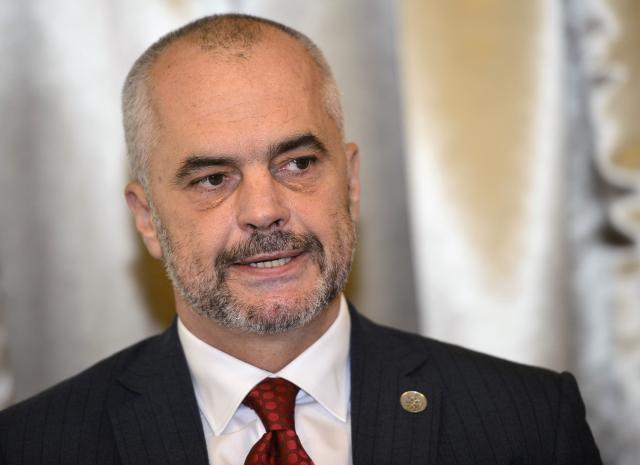
Moscow calls out Albanian PM on "Greater Albania ambitions"

(Tanjug, file)
Recent by Albanian Prime Minister Albania Edi Rama are "fully in accord with the widespread Greater Albania ambitions."

SOURCE: B92 THURSDAY, JANUARY
 

The Russian Ministry of Foreign Affairs said this in a comment by the Information and Press Department "regarding statements by Albanian Prime Minister Edi Rama on the Macedonian parliament passing the Law on the Use of Languages."

"We have taken note of a statement made on January 14 by Prime Minister of Albania Edi Rama regarding the involvement of the ruling Socialist Party of Albania (SPA) in the creation of the Kosovo Liberation Army (KLA) and in the battle for Kosovo in the neighboring Serbia, as well as the SPA’s decisive contribution to the adoption of the Law on the Use of Languages by the Assembly (parliament) of the Republic of Macedonia. This law makes Albanian the country’s second official language along with Macedonian," the press release said, adding:

"These statements confirm Mr. Rama’s intention to continue to promote the notorious Tirana Platform, which he helped to draft. The implementation of this document would erode the constitutional foundations of the Macedonian state and the Ohrid Framework Agreement and would consequently provoke new ethnic clashes in the Balkans. These new developments are fully in accord with the widespread Greater Albania ambitions, which endanger the territorial integrity of several countries in the region."

"We attach much significance to the issue of languages and believe that such decisions must only be taken on the basis of agreement between all branches of power in any country and a broad consensus in its society," the Russian Foreign Ministry said.

Το Ρωσικό ΥΠΕΞ για φιλοδοξίες περί Μεγάλης Αλβανίας


Ιανουάριος 18, 2018. Echedoros

Το ρωσικό υπουργείο Εξωτερικών, με ανακοίνωσή του στιγματίζει τις συνεχείς επεμβάσεις της Αλβανίας, δια της κυβέρνησης του Έντι Ράμα, στο πολιτικό σκηνικό του σκοπιανού κράτους και επισημαίνει  τον κίνδυνο ξεσπάσματος  εθνοτικών συγκρούσεων που  θα επεκταθούν στα Βαλκάνια.


Στο ρωσικό κείμενο τονίζεται  ότι οι παρεμβάσεις του Αλβανού  πρωθυπουργού, Έντι Ράμα με την περιβόητη Πλατφόρμα των Τιράνων, στο σχεδιασμό της οποίας βοήθησε, έχουν ως σκοπό τη διάβρωση των συνταγματικών  θεμελίων του «(Ψευδο)μακεδονικού» κράτους και της συμφωνίας- πλαισίου της Οχρίδας, η οποία διάβρωση  θα προκαλέσει νέες εθνοτικές συγκρούσεις στα Βαλκάνια.


Σημειώνεται χαρακτηριστικά:


Οι νέες αυτές εξελίξεις είναι πλήρως σύμφωνες με τις εκτεταμένες φιλοδοξίες  των Τιράνων για τη Μεγάλη Αλβανία, η οποία θέτει σε κίνδυνο την εδαφική ακεραιότητα πολλών χωρών της περιοχής.


Το ρωσικό υπουργείο Εξωτερικών αναφέρεται στις δηλώσεις του Αλβανού πρωθυπουργού Έντι Ράμα στις 14 Ιανουαρίου ότι το κυβερνών Σοσιαλιστικό Κόμμα της Αλβανίας (SP) συμμετείχε στη δημιουργία  του Απελευθερωτικού Στρατού  Κοσσυφοπεδίου (UCK),   και στις μάχες για το Κοσσυφοπέδιο στην επαρχία της Σερβίας.


Και, τώρα, εμπλέκεται στο θέμα των γλωσσών στα γειτονικά Σκόπια.


«Αποδίδουμε μεγάλη σημασία στο θέμα των γλωσσών και πιστεύουμε ότι οι αποφάσεις πρέπει να λαμβάνονται μόνο βάσει της συμφωνίας μεταξύ όλων των τομέων  σε κάθε χώρα και με την ευρεία συναίνεση της κοινωνίας του».

Το κείμενο του ρωσικού ΥΠΕΞ στην αγγλική του  απόδοση:

Wednesday, January 17, 2018

Turkish consortium bids to build Vlora airport as Albania prepares to launch national carrier

Image result for skrofotine vlore

By Tirana Times
January 17, 2018 14:23


TIRANA, Jan. 17 – A Turkish-consortium that is building Istanbul’s third airport has offered to build Albania’s second airport in a regional project that also paves the way for Albania to set up its national flag carrier and reduce current ticket prices, among the region’s highest.

The project to build a regional airport in Vlora, southern Albania, comes as part of the assistance the Albanian government has been receiving from the Turkish government and its Turkish Airlines, to open up new airports and set up its national carrier in a bid to offer passengers a new alternative to Tirana International Airport, the country’s sole international airport.

The airport is also expected to benefit Albania’s rapidly growing tourism industry and southern Albanian destinations such as Vlora, Saranda and Gjirokastra, making access to Ionian coastline and UNESCO World Heritage sites easier.

“We have received a request for the great strategic investment on the new Vlora national airport. Construction of works to begin by next June,” Prime Minister Edi Rama wrote on social media on Wednesday.

The country’s infrastructure ministry later unveiled it had received a bid by three Turkish companies, Cengis, Kalyon and Kolin Construction to build the Vlora airport, and that it would set up a special group to examine the technical aspects of the proposal. The three companies are part of the consortium that is building the multi-billion dollar airport that will partially launch operations by February 2018.

The infrastructure ministry says the airport will be a completely private investment, providing no details on the form of partnership. The investment will likely be made through a build-own-transfer concession, the same as the Tirana International Airport was upgraded in 2005 under a 20-year deal with the Albanian government.

“We are at an advanced stage on the launch of our national carrier. I believe we will create conditions for more competition and then lower prices,” Rama said at a TV interview earlier this week.

Prime Minister Rama has earlier unveiled the ‘Air Albania’ national carrier will initially connect Tirana to regional unserviced countries such as Kosovo, Macedonia, Montenegro and Bosnia and Herzegovina and several Western Europe destinations.

Back in May 2017 at a meeting with the CEO of Turkish Airlines in Tirana, Prime Minister Edi Rama said he was optimistic that with the support of the Turkish government and President Erdogan, Albania would have its own ‘Red and Black’ national carrier, open up its second international regional airport in Vlora, and a smaller tourist airport in Saranda, southernmost Albania.

Turkish Airlines, whose 49 percent stake is held by the Turkish government, serves more than 275 destinations in five continents, being one of the fastest growing airlines.

Turkey is one of Albania’s strategic partners, top investors and main travel destinations.

Some 97,000 Albanians travelled to Turkey in the first 11 months of 2017, mostly on holiday to its tourist resorts, a 25 percent increase compared to the same period in the previous year, according to Turkey’s tourism ministry.

The Prime Minister has earlier blamed the expensive air transport situation in the country on the problematic concessionary deal Albania has with country’s sole international airport, preventing the entry of low-cost carriers.

Almost two years after lifting TIA’s exclusive rights on international flights in return for having its original 20-year concession contract extended by two years until 2027, Albania continues to have a sole international airport and one of the region’s highest ticket prices.

Due to expensive prices and low number of low-cost carriers, more and more Albanian passengers have been travelling through neighboring Kosovo, Macedonia or Montenegro airports in the past few years.

Some 17 airlines connect Tirana to European destinations, mostly Italy where most passengers fly considering an estimated community of some 500,000 Albanian migrants in the neighbouring country across the Adriatic.

The Tirana International Airport, which in October 2016 was taken over by a Chinese consortium, handled about 2.2 million passengers in 2016, being the country’s main hub.

Italian carriers have the major market share in Albania’s air transport industry following the bankruptcy of an Albanian-owned company in 2013.

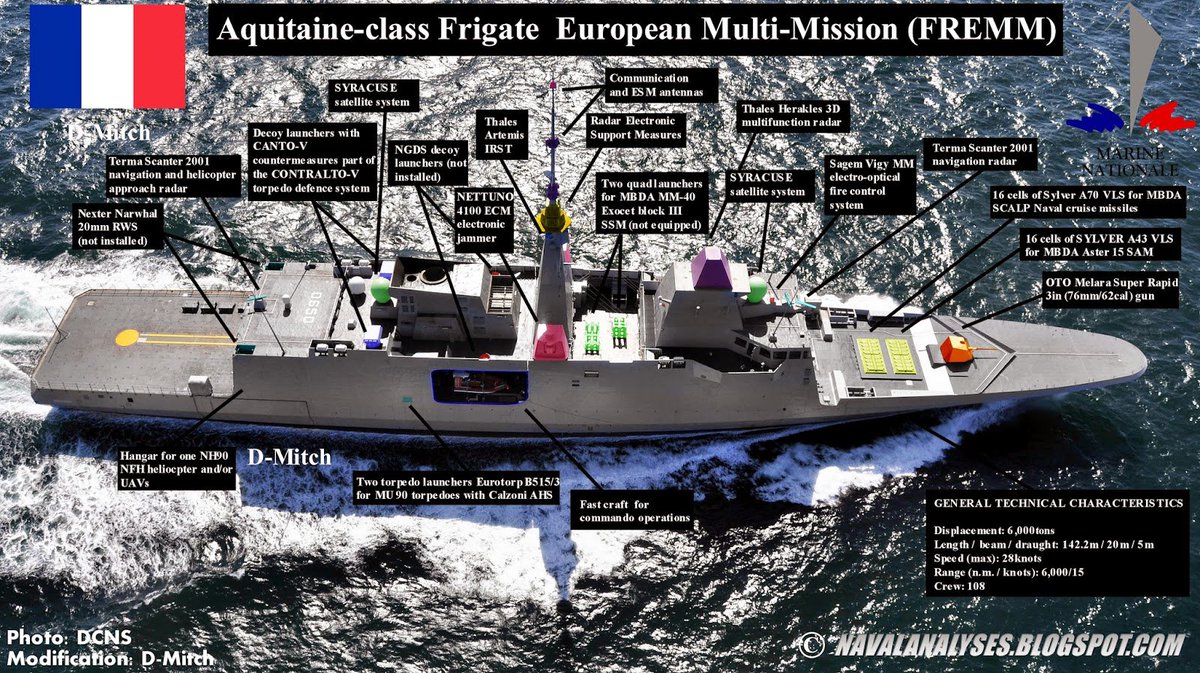
Greece to launch talks with France over FREMM frigates, corvettes


By: Jaroslaw Adamowski   


Greece to launch talks with France over FREMM frigates, corvettes
 Image result for Greece to request acquiring FREMM frigates from France

The French Navy's FREMM warship Normandy on July 2, 2014, in Larmor-Plage, near Lorient, Brittany. (Jean-Sebastien Evrard/AFP via Getty Images)


WARSAW, Poland ― The Greek Ministry of Defence may acquire two FREMM multimission frigates for its Navy, and as such, Athens plans to launch negotiations with the French government in February.

A Greek source close to the deal told local daily Kathimerini that the decision follows an earlier verbal agreement between French President Emmanuel Macron and Greek Prime Minister Alexis Tsipras. The Greek order could be expanded by a further two vessels.

Image result for Greece to request acquiring FREMM frigates from France

Due to the cost of the frigates, which have an estimated tag price of between €500 million and €600 million (U.S. $612 million to U.S. $735 million), the Greek ministry is also considering the purchase of French Gowind-class corvettes for its Navy, according to the source.

The FREMM frigate was jointly designed by the Franco-Italian consortium of Naval Group and Fincantieri for the two countries’ navies. In addition to the potential deal with Athens, Paris has sold one frigate to Morocco and one to Egypt. Naval Group also developed the Gowind.

Naval Group says the FREMM is a versatile vessel enabled to execute a wide range of missions encompassing all warfare domains. These include anti-aircraft, anti-submarine and anti-surface warfare, as well as land attack and command ship missions, among others.

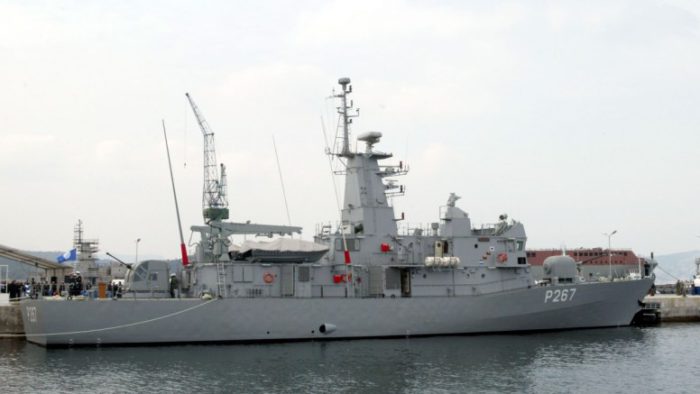
ΕΚΤΑΚΤΟ – Συναγερμός στο ΓΕΝ: Η στιγμή που τουρκική ακταιωρός προσπαθεί να εμβολίσει την Κανονιοφόρο «ΝΙΚΗΦΟΡΟΣ» – Προσχεδιασμένη ενέργεια


Δημοσίευση: 17 Ιανουαρίου 2018,

Pentapostagma Δείτε το Βίντεο των Τούρκων


Του Βασίλη Καπούλα


Στη δημοσιότητα έδωσαν οι Τούρκοι την στιγμή που τουρκική ακταιωρός κατευθύνεται ολοταχώς πάνω στην κανονιοφόρο του Πολεμικού Ναυτικού μας «ΝΙΚΗΦΟΡΟΣ». Δεν πρόκειται για κανένα ατύχημα, πρόκειται για ηλιθιότητα και προσχεδιασμένη ενέργεια γεγονός που σημαίνει πως οι Τούρκοι επιδιώκουν ναυτικό ατύχημα στο πλαίσιο ασύμμετρων απειλών.

Είναι πλέον αποφασισμένοι για επεισόδιο.

Το γεγονός πως οι Τούρκοι βιντεοσκόπησαν όλο το περιστατικό δείχνει και τι θα ισχυριστούν:

Πως εμείς πέσαμε πάνω τους. Ηδη αυτό διαδίδουν!


Η τουρκική ακταιωρός δεν δίστασε να συγκρουστεί με ένα πλοίο πολύ μεγαλύτερο , ενδεικτικό των πολεμικών προθέσεων των Τούρκων.

Δείτε το Βίντεο των Τούρκων


Πηγές του Γενικού Επιτελείου Ναυτικού έκαναν λόγο το μεσημέρι για «επακούμβηση».

Οι ίδιες πηγές του ΓΕΝ αποδίδουν την «επακούμβηση» σε ατυχή χειρισμό των Τούρκων.

Ηδη σε ΓΕΝ και ΓΕΕΘΑ προσπαθούσαν σήμερα μετά το περιστατικό να αποκωδικοποιήσουν το επεισόδιο που συνέβη κοντά στα Ίμια.

Τόσο εκείνο που θέλει κατ’ορισμένους να αποτελούσε ένα στημένο επεισόδιο όσο και εκείνο να επρόκειτο για ελιμό απειρίας ή ο κυβερνήτης του τουρκικού πλοίου να υπερεκτίμησε τις δυνατότητες που του παρεχει το μέγεθος του πλοίου.

Φως προς αυτήν την κατεύθυνση θα ρίξει η αναφορά του κυβερνήτη της κανονιοφόρου «Νικηφόρος», ο οποίος ενημέρωνε λεπτό προς λεπτό την ηγεσία του Πολεμικού Ναυτικού.

Στο Εθνικό Κέντρο Επιχειρήσεων βρέθηκε αμα τη άφιξη του από τις Βρυξέλλες και την 178η Σύνοδο της Στρατιωτικής Επιτροπής του ΝΑΤΟ, ο αρχηγός ΓΕΕΘΑ, Ναύαρχος Ευάγγελος Αποστολάκης, ο οποίος ήταν σε ανοιχτή γραμμή με τον υπουργό Εθνικής Άμυνας κ. Πάνο Καμμένο.

Το περιστατικό σημειώθηκε, ενώ βρισκόταν  σε εξέλιξη το Ανώτατο Ναυτικό Συμβούλιο και την επαύριο της συνάντησης του Αρχηγού ΓΕΕΘΑ, ναυάρχου Ευάγγελου Αποστολάκη με τον επικεφαλής των τουρκικών ενόπλων δυνάμεων, στρατηγό Χουλουσί Ακάρ στην 178η σύνοδο της στρατιωτικής επιτροπής, στην οποία για ακόμη μια φορά έθεσε το ζήτημα της παραβατικής συμπεριφοράς των Τούρκων στο Αιγαίο.

Προηγούμενη ενημέρωση

Στις βραχονησίδες Ίμια είχαμε αναμέτρηση μεταξύ τουρκικών και ελληνικών πλοίων του λιμενικού και πολεμικών πλοίων.

Τα τουρκικά πλοία παρεμποδίστηκαν από την ελληνική κανονιοφόρο η οποία έσπευσε ταχέως στο σημείο από την Λέρο.

Στις 14.30 της Τετάρτης (17.01.2018), τουρκική ακτοφυλακίδα πραγματοποίησε «άστοχο» ελιγμό στη θαλάσσια περιοχή βόρεια των Ιμίων, με αποτέλεσμα να επακουμπήσει την κανονιοφόρο του Πολεμικού μας Ναυτικού «Νικηφόρος».

Τα τρία τουρκικά περιπολικά πλοία που περιπολούσαν προκλητικά στην περιοχή εμποδίστηκαν να πλησιάσουν τις βραχονησίδες Ίμια από το ελληνικό πολεμικό πλοίο που μπήκε ανάμεσα τους.

Περίπου 4 τουρκικά πολεμικά πλοία και περιπολικά σκάφη μαζεύτηκαν στην περιοχή και είχαμε την διενέργεια πολεμικών ελιγμών 1 μίλι μακριά από τις βραχονησίδες .

Κατά τη διάρκεια της έντασης που ξεκίνησε στις 11:00 π.μ., τα σκάφη προσέγγισαν περίπου 50 μέτρα απόσταση .

Το περιστατικό φαίνεται να έληξε περίπου στις 16:00.

Ωστόσο υπάρχουν ακόμα 3 τουρκικές ακταιωροί στην περιοχή.

Η παρουσία 3 ακταιωρών που ενεργούν ως «δόλωμα» για την προσέλκυση ελληνικών πολεμικών πλοίων είναι ενδεικτικό του σχεδίου της Άγκυρας να προκαλέσει στην περιοχή αυτό ακριβώς το διάστημα.

Εδώ και αρκετές ημέρες γύρω από τις βραχονησίδες έχει ξεκινήσει μέρες τώρα η γνωστή “ναυμαχία της τσιπούρας”, με ελληνικά και τουρκικά αλιευτικά να προσπαθούν να ψαρέψουν όσο το δυνατόν πιο κοντά στην περιοχή.

Oliver Ivanovic to be buried in Belgrade

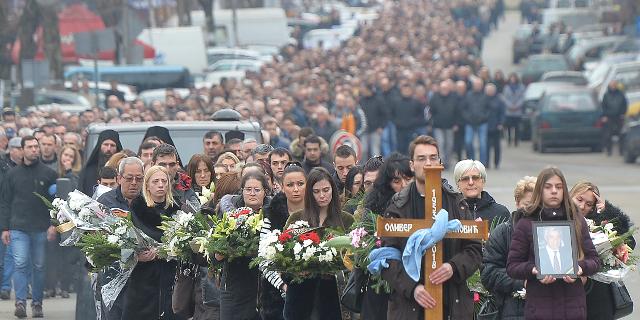
The procession in Kosovska Mitrovica on Wednesday (Tanjug)
A large number of citizens gathered on Wednesday in Kosovska Mitrovica to say goodbye to Oliver Ivanovic.

SOURCE: TANJUG WEDNESDAY, JANUARY 17, 2018

The leader of the Civic Initiative (GI) SDP was shot six times in front of the party premises in northern Kosovska Mitrovica on Tuesday morning, and died of his injuries in the hospital.

The casket with Ivanovic's remains was on Wednesday transported under police escort from this northern Kosovo town to Belgrade, where the Serb politician will be buried on Thursday.

The citizens who lined the streets through which the procession passed in silence today placed flowers on the vehicle transporting the casket.

Tanjug is reporting that there was no visible increase in police presence in the streets, closed to traffic for the convoy to pass, while a KFOR helicopter at one point flew over the town.

A Serbian Orthodox memorial service for Ivanovic was held earlier in the day in Kosovska Mitrovica, led by Bishop Teodosije.

Σέρβος ΥΠΑΜ: Ο Στρατός είναι έτοιμος για επέμβαση


«Ο Βούλιν ‘απειλεί’ από τη Ράσκα: Ο στρατός έτοιμος για επέμβαση»


Ιανουάριος 17, 2018. Echedoros

Ο υπουργός Άμυνας της Σερβίας, Αλεξάνταρ Βούλιν, δήλωσε ότι οι σερβικές ένοπλες δυνάμεις εξετάζουν προσεκτικά όλα τα περιστατικά που συμβαίνουν και είναι έτοιμος να παρέμβει σε οποιαδήποτε απειλή για τη χώρα και τους πολίτες της Σερβίας.


Πρόσθεσε ότι μετά τη δολοφονία του Όλιβερ Ιβάνοβιτς, η κατάσταση δεν μπορεί να ειπωθεί ότι είναι ήρεμη, σύμφωνα με το πρακτορείο Τανγιούνγκ, όπως το μεταφέρει η «Kla Kosova».


Ο Βούλιν δήλωσε ότι δεν ζήτησε  από κανέναν να εντοπίσει τους δράστες της δολοφονίας του Ιβάνοβιτς, αλλά προέτρεψε όλα τα δεδομένα να δοθούν στις αρχές.


Οι δηλώσεις του ΥΠΑΜ Σερβίας έγιναν κατά την επίσκεψή του στο 21ο Τάγμα στη Ράσκα (κοντά στα σύνορα με το Κοσσυφοπέδιο).

Σοκ στους Αλβανούς- Πρόεδρος Σκοπίων: Δεν υπογράφω νόμο για την αλβανική γλώσσα


«Ο Ιβάνοφ άσκησε βέτο στον νόμο για τις γλώσσες»


Ιανουάριος 17, 2018. Echedoros

Σκόπια.

Ο πρόεδρος, Γκιόργκε Ιβάνοφ έχει σβήσει τις ελπίδες των Αλβανών.
Σε ομιλία του το βράδυ είπε ότι δεν πρόκειται να υπογράψει το διάταγμα για τη χρήση των γλωσσών.


Ο Ιβάνοφ τόνισε ότι ο νόμος αυτός παραβιάζει το Σύνταγμα της χώρας. Σύμφωνα με τον ίδιο, ο νόμος θέτει επιπλέον σε κίνδυνο τον ενιαίο χαρακτήρα του κράτους, την κυριαρχία και την εδαφική ακεραιότητα της χώρας.


«Αντί για το πνεύμα διαλόγου και της συνύπαρξης για την οικοδόμηση της πολυεθνικής κοινωνίας μας,  μέσω δίκαιων και γενικά αποδεκτών νόμων κάνουμε έναν άδικο και καταπιεστικό νόμο που ευνοεί μόνο την αλβανική γλώσσα, ως εκ τούτου, λαμβάνοντας υπόψη τις εκτιμήσεις μου για τη μη τήρηση του νόμου σχετικά με τη χρήση των γλωσσών από το Σύνταγμα, αλλά και των ενδείξεων των εμπειρογνωμόνων καθώς και του ευρέως κοινού σχετικά με την αντισυνταγματικότητα του νόμου, βάσει του άρθρου 75 του Συντάγματος, έλαβα την απόφαση να μην υπογράψω το νόμο για τις γλώσσες», δήλωσε ο Ιβάνοφ.


Ο Ιβάνοφ πρόσθεσε ότι η απόφασή ελήφθη γιατί η ψήφιση του νόμου από Κοινοβούλιο την 11η Ιανουαρίου 2018, έγινε χωρίς δημόσιο διάλογο, χωρίς τη συμμετοχή εμπειρογνωμόνων και χωρίς τη συναίνεση της αντιπολίτευσης (του VMRO-DPMNE- το οποίο δεν παρευρίσκονταν στην ψηφοφορία).

Steller column: Former top AZ prosecutor works on Albania's reforms

John Leonardo
John Leonardo


Tim Steller Arizona Daily Star  Jan 16, 2018   

No one would have blamed John Leonardo if he had eased into retirement last January.

Leonardo served 19 years as a Pima County Superior Court judge, then in 2012 took over as U.S. Attorney for Arizona, working as the state’s top federal prosecutor for almost five years. He left that job with the change of presidents last year.

Now, though, instead of spending his days on a golf course or cursing at a TV, Leonardo, 71, finds himself holed up in Albanian offices with a team of jurists from the European Union. Leonardo is the only American among eight international advisers in an unprecedented effort to help rid the country of corrupt prosecutors and judges.

It’s a big job with massive significance for Albania and, potentially, other Balkan countries that might imitate the effort. The EU is requiring Albania to vet its 800 judges and prosecutors and remove those who are corrupt or incompetent as a condition for the country’s admission to the union. The EU is paying 10 million Euros to fund the project.

“It’s the first time this particular method has been tried,” Leonardo said. “There’s no template.”

However, there is pressure: “There are very high expectations in the country that a lot of judges and prosecutors are going to lose their jobs.”

I spoke with him by email earlier this month and by FaceTime from Tirana, Albania’s capital, on Tuesday. Here’s a compilation of his remarks, edited for clarity.

Q: What is the legacy problem with Albania’s justice system that you’re trying to address?

A: They just have rampant corruption in this country across many fields: Police, judges, prosecutors. Notoriously the Balkans in general have had that issue. The countries that were behind the Iron Curtain in the 20th century all seem to be having this problem.

Q: How is the process supposed to work?

A: The Albanians amended their constitution last year to require that all judges and prosecutors in the country undergo a vetting process in order to keep their jobs. The new law created a vetting commission made up of 12 Albanian lawyers selected by the Albanian Parliament who will sit in panels of three to investigate and hear evidence as to each of these judges and prosecutors related to three areas: unexplained assets, association with known criminals and professional proficiency.

Q: What is your role as an international observer?

A: There are eight of us, all in one huge room. All of us have at least 15 years as judges or prosecutors in our countries. It’s a pretty experienced group — many have worked in other countries before. We are supposed to give advice to these vetting bodies on legal matters and investigative techniques, organizational structures and interpretations of the vetting law. Then we sit in with them when they’re discussing the investigations of particular judges or prosecutors.

Q: Where are the other international advisers from?


A: Two from the Netherlands, plus Italy, Belgium, Croatia, Sweden and Bulgaria.

Q: How do you deal with the language barrier, since you don’t speak Albanian?

A: We have a staff of interpreters. The official language of the process is Albanian and English. Amazingly to me, of the eight international observers, I’m the only one whose native language is English, and yet we’re doing the official business in English. So I get called upon to be the final arbiter of what’s correct in English and review official documents before they go out.

Q: How far along are you in the process?

A: The first hearings are likely to be in the latter part of February. They’re assuming this process will take four to five years. It’s hard to imagine what it’s going to be like when the hearings start, because it’s going to be more intense. The hearing rooms are very small. They fit like six or seven people. They’re talking about having video feeds.

Q: What sort of problems are you seeing so far?

A: In general what we are seeing in the investigation is judges receiving bribes to dismiss charges against people; being paid to take a side in civil cases; freeing defendants who are wanted for extradition; judges who have assets five or six times more than what they earn.

Judges, in this country, for the last 10 years or so have had to make financial declarations of what they own, what their assets are, but we find they claim to live somewhere much more modest when they actually live somewhere much more lavish.

Q: How are you being received?

A: It’s reassuring to see that Albanians as a whole just expect so much from America.

I sense that I automatically have more credibility with the vetters, the legal community, than the Western Europeans do.

Q: How has your support been?

A: The U.S. ambassador here has been a big proponent of this process. The Albanians have a lot of regard for us and trust in us. Ambassador (Donald) Lu told a luncheon of the judges that if they looked at their wrists and they had a wristwatch that costs more than the average car, they probably wouldn’t be around next year.

Kërkesat për autonomi tensionojnë marrëdhëniet mes Hungarisë dhe Rumanisë


Hungaria dhe Rumania janë në sherr - sërish- mbi çështjen e kërkesës së hungarezëve të Transilvanisë për autonomi, kërkesë për për të cilën ekspertët thonë se Bukureshti do të duhet të përgjigjet një ditë.

Autor: Ana Maria Luca | BIRN | Bukuresht

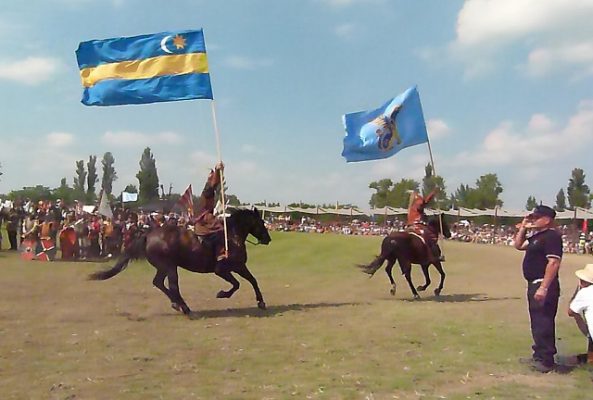
Festivali Ezekler në Rumani. Foto: Derzsi Elekes Andor/Wikimedia Commons

Kërkesa e rinovuar për autonomi nga minoriteti etnik hungarez në Rumani shkaktoi një tensionim të ri në marrëdhëniet mes Bukureshtit dhe Budapestit.

Rumania këtë vit feston njëqind vjetorin e bashkimit të saj me rajonin e Transilvanisë, i cili dikur ishte pjesë e Hungarisë – por përgatitjet për festë janë shoqëruar me pakënaqësi në rritje mes hungarezëve.

Tri partitë kryesore të hungarezëve në Rumani, Bashkimi Demokratik i Hungarezëve në Rumani, Partia Popullore Hungareze në Transilvani dhe Partia Civile e Hungarezëve nisën më 8 janar një kërkesë të përbashkët për autonomi territoriale, vendore dhe kulturore.

Lëvizja ka mërzitur politikanët në Bukuresht të cilët i shohin kërkesa të tilla si të papranueshme, veçanërisht pasi Hungaria deklaroi të enjten se nisma e tre partive ishte iniciuar dhe ndërmjetësuar nga Katalin Szili, i dërguar i kryeministrit hungarez Viktor Orban.

Gjithsesi, analistët në Rumani thonë se të dy vendet kanë nevojë të trajtojnë çështjen, bazuar në dokumentet historike, ose përndryshe situata mund të përkeqësohet.

Kërcënimet rumune për të ‘varur’ separatistët:

Gjatë një emisioni televiziv në Realitatea TV në Rumani, kryeministri i vendit Mihai Tudose jo vetëm i hodhi poshtë kërkesat për autonomi vendore për bashkësinë e hungarezëve por kërcënoi gjithashtu se do t’i “varë” separatistët.

“I dërgova një mesazh, nëse flamuri Szkler [flamuri i minirotetit hungarez] varet në institucionet vendore, ata do të duhet të varen pranë tij. Szeklers nuk do të marrin autonomi në asnjë mënyrë,” tha ai.

Presidenti i Bashkimit Demokratik të Hungarezëve në Rumani, Porcsalmi Balint, dënoi të martën mesazhin e Tudose duke thënë se një mesazh i tillë “vjen drejtpërsëdrejti nga Mesjeta”.

Të premten, Ministria e Jashtme e Hungarisë thirri ambasadorin e Rumanisë, Marius Lazurca, për shpjegime, duke e cilësuar deklaratën e Tudose të papranueshme.

Por zemërimi është rritur mes politikanëve të Rumanisë, veçanërisht pasi agjencia shtetërore e lajmeve të Hungarisë MTI zbuloi të martën se marrëveshja mes tri partive hungareze në Rumani dhe thirrja e tyre për autonomi ishte iniciuar dhe ndërmjetësuar nga qeveria e Hungarisë.

Deputetët etnikë hungarezë kanë dorëzuar shumë projekte për ligje për autonomi, i fundit në dhjetor 2017, por asnjë prej tyre nuk i është nënshtruar debatit parlamentar.

Në qershor 2017, kur Partia Social Demokrate në qeveri po negocionte me Bashkimin Demokratik të Hungarezëve për mbështetjen e mocionit të shkarkimit kundër qeverisë së asaj kohe, partia në pushtet premtoi se do të fuqizonte të drejtat e bashkësisë hungareze.

Por menjëherë pas marrjes së pushtetit ata e shkelën premtimin dhe ndaluan diskutimin e projektligjit pasi shumë anëtarë të kësaj partie dhe deputetë të opozitës e kundërshtuan planin, veçanërisht një pjesë të tij që flet për shpalljen e 15 marsit ditë feste zyrtare.

Kjo ditë shënon fillimin e revolucionit të vitit 19848 në Budapest, të cilin rumunët nuk e pëlqejnë për shkak se ai revolucion solli bashkimin e Transilvanisë me Hungarinë.

Histori e komplikuar nga këndvështrime të ndryshme:

Ekspertët thonë se marrëdhëniet mes dy vendeve kanë qenë gjithmonë të tensionuara për shkak të historisë së tyre të komplikuara dhe pakënaqësive me rrënjë të thella të përkeqësuara nga regjimet komuniste në të dyja vendet.

Rumania është shtëpia e 1.2 milionë shtetasve hungarishtfolës, shumica e të cilëve Szeklers, një fis që mbretëria e Hungarisë e vuri në Transilvaninë jug-lindore për të siguruar kufijtë e vet në Mesjetë.

Për shkak të rolit të tyre të rëndësishëm ushtarak, ata për shekuj shijuan disa liri dhe privilegje, përfshirë autonominë territoriale.

Pas disa rebelimeve të Szekler dhe pasi rreziqet nga Perandoria Osmane u fashitën, monarkia e Habsburgëve ia hoqi gradualisht privilegjet bashkë me rolin e tyre ushtarak.

Historiani Mihai Georgita, nga qyteti kufitar rumun i Oradeas, i tha BIRn se në gjysmën e parë të shekullit të 19 Szeklers u afruan ngushtë me shtetin hungarez, në atë kohë pjesë e Austro-Hungarisë, por shijuan pothuajse autonomi të plotë si rezultat i ndarjes së perandorisë Austriake në Austro-Hungari më 1867.

Kur Hungaria më 1876 i dha fund autonomisë territoriale të Szeklerëve, bashkësia në Transilvani nuk e kundërshtoi.

Pas kolapsit të Austro-Hungarisë më 1918, fuqitë e mëdha imponuan një marrëveshje ndëshkuese paqeje mbi Hungarinë.

Një mbledhje përfaqësuesish nga Transilvania, ku rumunët ishin maxhorancë, votoi për bashkim me Rumaninë.

Rumania premtoi autonomi të përkohshme në territoret e reja deri sa një parlament të themelohej në Bukuresht, dhe tha se ajo do të respektojë të drejtat e minoriteteve.

Gjatë Konferencës së Paqes të vitit 1919 në Paris, Fuqitë Aleate detyruan Rumaninë të nënshkrojë një traktat mbi minoritetet, duke premtuar autonomi vendore për çështjet fetare dhe arsimore, si për minoritetin hungarez ashtu edhe për atë gjerman.

Por kur Rumania miratoi kushtetutën e re më 1923, megjithëse partitë etnike u lejuan të marrin pjesë në jetën politike, ajo nuk lejoi asnjë autonomi për minoritetet.

Hungaria, ndërkohë, bazoi të gjithë politikën e vet të jashtme para Luftës së Dytë Botërore në dëshirën për të revizionuar kufijtë që iu dhanë vendit pas Luftës së Parë Botërore, duke i bërë me sukses presion Gjermanisë Naziste për të detyruar Rumaninë të jepte pas pjesën më të madhe të Transilvanisë si çmim për mbështetjen e Hungarisë për objektivat ushtarakë të Gjermanisë.

Këto përfitime ishin gjithsesi të përkohshme; sovjektikët detyruan Hungarinë të kthejë të gjithë territorin që pati fituar te Rumania pas vitit 1945, kur të dyja vendet u bënë pjesë e bllokut sovjetik.

Gjithsesi, siç ritregon Georgita, Bashkimi Sovjetik i bëri presion Rumanisë më 1952 që të krijojë Rajonin Autonom Hungarez. Më vonë, më 1960, kjo u kthye në Rajonin AUtonom Mures. Gjithsesi, kjo strukturë u anulua tetë vjet më vonë.

Historianët thonë se gjatë kësaj periudhe popullsia rumune në rajon vuajti diskriminim dhe shumë prej tyre ikën. Hungarezët mendojnë se ekzaktësisht e kundërta ndodhi, duke thënë se regjimi komunist rumun vendosi popullsi rumune në rajonet hungareze për të tretur ndikimin e tyre.

Pas rënies së komunizmit më 1989, partitë etnike hungareze rilindën në Transilvani dhe ripërsëritën kërkesat e tyre për autonomi.

Gjithsesi, me përjashtim të protestave të mëdha që u kthyen të dhunshme dhe lanë pesë të vdekur dhe qindra të plagosur në mars 1990, marrëdhëniet mes rumunëve dhe hungarezëve në kontetë Harghita, Covasna dhe Mures kanë qenë në përgjithësi paqësore.

Më 1995, Hungaria dhe Rumania nënshkruan një traktat, në të cilin Budapesti hoqi dorë nga pretendimet territoriale ndaj Transilvanisë ndërsa Rumania u betua të respektojë të drejtat e minoritetit.

Hungarezët dhe rumunët ndërkohë kanë të drejtë të arsimohen në gjuhët e tyre të lindjes dhe, në qytezat ku përbëjnë më shumë se 20 për qind të popullsisë, kanë të drejtë të përdorin gjuhën e tyre në marrëdhëniet me autoritetet vendore.

Gjithsesi, në nivel politik, tensionet kanë mbetur të larta, të ushqyer nga zërat nacionalistë si në Bukuresht ashtu edhe në Budapest.

Interesat elektoralë formojnë mendimet mbi autonominë:

Si politikanët rumunë ashtu edhe ata hungarezë gjatë viteve të fundit e kanë parë çështjen e autonomisë për hungarezët e Rumanisë më së shumti përmes syzeve të zgjedhjeve dhe votave potenciale, thonë ekspertët.

Politika e kryeministrit Orban të Hungarisë është ngritur në krijimin e mbështetjes mes bashkësive hungarishtfolëse përtej kufijve të vendit, veçanërisht në Transilvani, ku ai ka organizuar një konferencë të përviçme verore dedikuar diasporës Hungareze në resortin turistik Tusnad/Tusvanyos.

Në maj 2010, Hungaria i dha hungarezëve etnikë jashtë vendit të drejtën për të marrë shtetësinë hungareze si shtetësi të dyfishtë, gjë që potencialisht përfshin të drejtën për të votuar.

Në prill 2013, qeveria e Hungarisë njoftoi se 280 mijë nga 400 mijë kërkesa për shtetësi kanë ardhur nga shtetas rumunë, të cilët tashmë kanë të drejtë të votojnë në zgjedhjet hungareze.

Në anën tjetër, qeveria e Rumanisë në përgjithësi ka qëndruar e heshtur në lidhje me të drejtat e minorancës hungareze pavarësisht presioneve nga Budapesti – pikërisht për arsye të tilla elektorale.

Profesoresha e shkencave politike Liliana Popescu beson se politikanët rumunë nuk dëshirojnë të zgjidhin këtë problem për shkak se ata nuk kanë asnjë interes elektoral për ta bërë diçka të tillë.

Shumica e partive rumune u mbështetën në slogane nacionaliste gjatë zgjedhjeve të vitit 2016, ndonëse partitë haptazi nacionaliste dhe populiste dështuan të hyjnë në parlament.

Gjithsesi, shpjegoi Popescu, çështja e hungarezëve mbetet një temë sensitive mes votuesve të Rumanisë.

“Nëse ata [politikanët] thonë ndonjë gjë apo thjeshtë përmendin autonominë [e bashkësisë së hungarezëve], ata humbasin mbështetjen elektorale,” vërejti ajo.

“Elektorati rumun, politikisht është kundër autonomisë dhe ideja e përgjithshme është se nëse qeveria lëshon sadopak, minoranca e hungarezëve do të abuzojë me këto të drejta,” shpjegon Popescu.

Ajo shtoi se ky mentalitet vjen pjesërisht nga dekadat e kaluara nën politikat nacionaliste të regjimit komunist.

Gjithsesi, kjo ëstë lëvizja e drejtë për të folur mbi të dhe mbi minorancën hungareze dhe qeveria e Hungarisë e di këtë, tha Popescu.

Një nga arsyet se pse partitë hungareze e kanë ngritur sërish kërkesën për autonomi është edhe konteksti i festimeve të planifikuara në Rumani për të përkujtuar bashkimin me Transilvaninë dhe këto festime në vetvete bëjnë që kjo çështje të mos mund të injorohet më gjatë.

Për më tepër, socialdemokratët në pushtet kanë nevojë në parlament për mbështetjen e partisë kryesore të hungarezëve, Bashkimi Demokratik të Hungarezëve, të cilët kanë 30 deputetë dhe mjaftueshëm levë presioni për ta mbajtur çështjen e autonomisë në axhendë.

Georgita tha se një debat më i gjerë publik mbi këtë çështje të debatuar është i nevojshëm. “Ekspertë të shumitë nga ligji, sociologjia, shkencat politike, historia e gjeografia, që të gjithë duhet të përfshihen,” i tha ai BIRN.

Tuesday, January 16, 2018

Parents of Albanian ISIS ‘Martyrs’ Abandoned to Grief

Image result for albanian islamist isis
 
Their sons went to fight for ISIS in Syria or Iraq, and some even had children in the conflict zone - then they were killed, leaving their impoverished relatives in Kosovo, Albania and Macedonia to suffer.

Serbeze Haxhiaj, Elvis Nabolli BIRN 

Pristina, Shkoder, Skopje

Selim Demolli gripped the table with his hands, and his lip trembled with anger as he spoke.

The previous day he had talked to an imam about his son, who was killed three years ago in Syria. He asked the imam for a religious explanation about what happens to a dead person whose parents have not forgiven him. The answer was hard to take.

“He is not a shahid [martyr]. Those who did not get a blessing from their father cannot rest in peace. The imam even told me so. They are called ‘cursed’,” Demolli said.


 Demolli said that he tried to stop his son from leaving.
Demolli’s son Burim was killed in October 2014 at the age of 31, during an offensive by US forces in the Syrian city of Aleppo.

Like Selim Demolli, hundreds of family members of Albanian jihadists from Kosovo, Albania and Macedonia live under the shadow of what their relatives have done, stigmatised and hated by others, and given no official support.

More than 315 people from Kosovo, 120 from Albania and over 100 from Macedonia have joined so-called Islamic State in Syria and Iraq over the past few years. At least 65 of them were killed in the fighting, leaving their families in an even worse plight.

Demolli, a 67-year-old from Pristina, said that he tried to stop his son from leaving.

“I informed the police, asking them to arrest him so that he could not go there. However, he managed to escape the police search while I was not at home, and he left with his wife and with three children,” he explained.

Burim Demolli was killed two months later, and now his father is searching for the ones who were left alive, his grandson and two granddaughters, who have remained in Syria.

His daughter-in-law, Edona Demolli, 28, was forced to marry another ISIS member, whose nationality Selim does not know. A month ago, she gave birth to a baby boy. Selim can no longer speak to her or his grandchildren.

Edona Demolli’s families, who live in the remote village of Majac, in Kosovo’s Podujeva municipality, feel uneasy about her story, particularly about her forced marriage and her child.

Nevertheless, the family sent 2,000 euros to her in Syria, although they do not want to reveal how they managed to transfer the money.

On an old Samsung smartphone, Selim keeps a video recording of his granddaughters singing an Albanian song. They are in a camp in Raqqa, and shooting can be heard outside.

The road to jihad


Goverments in Kosovo and Albania work with the official islamic communities on fighting violent extremism.
NATO airstrikes in 1999 helped lead Kosovo, a Muslim-majority country, to independence. One of the strongest supporters of the US and the West, Kosovo is also one of the poorest countries in Europe with an unemployment rate around 40 per cent.

Nearly two decades after the war, following the establishment of the Islamic State in Syria and Iraq, many young people from Kosovo, some of them taking their wives and children, joined ISIS and the al-Qaeda branch, al-Nusra.

Shpend Kursani, the author of research on the reasons for Kosovo citizens becoming foreign fighters in Syria and Iraq, cites the ideological and identity aspects as the main points of attraction for Kosovo Albanian youngsters to join ISIS.

“Their ideology is rather revolutionary, calling for revolution abroad, in Arab lands,” he said.

Kursani added that in Kosovo there is also an identity gap which can be exploited.

“There is a whole generation to whom their own identity is not clear anymore - are they Albanians or Kosovars, what is their flag, their symbol?” he says.

Selim Demolli said that after the killing of his cousin, Naman Demolli in Syria, Burim decided to join ISIS along with his two other cousins Fidan and Arben Demolli. Until Burim joined in 2013, he was mostly unemployed.

“Imams from Saudi Arabia would hold lectures and come to our neighborhood. Until then, Burim had been one of the followers of the imam Shefqet Krasniqi. One day he told me that he had met imams better than Shefqet Krasniqi in Pristina and they were teaching Islam accurately. I realised then that things had changed,” Demolli recalled.

After the war ended in 1999, Kosovo was flooded by Islamic organizations, most of them spreading religious propaganda under a humanitarian cloak. This was the time when some imams, originating from Saudi schools, would hold lectures in half-secret locations outside mosques.

Krasniqi, former imam at the main mosque in Pristina, is currently facing criminal charges related to terrorism. He refused to talk to BIRN about the charges.

Like Burim, a young generation of Albanians from Kosovo, Macedonia and Albania challenged traditional Islamic teaching by embracing the radical religious and political views that were taught at lectures at private mosques.

Fahrush Rexhepi, dean of the Faculty of Islamic Studies in Pristina, lecturer on the course ‘History of Religions: Islam and Europe’, said that indoctrination took place over a long period of time.

“Recruiters found suitable ground, especially amongst the younger generation, who are experiencing a deep identity crisis, feelings of hopelessness, losers, and without clear economic prospects for the future,” Rexhepi told BIRN.

Kosovo Special Prosecutor Drita Hajdari, who is leading several cases against former ISIS fighters, also blamed radical imams for grooming recruits.

“Some imams operated freely for a long time in an uncontrolled territory. They formed groups, held lectures and built camps [in Kosovo], while [officially Muslim organisation] the Islamic Community of Kosovo, kept silent. The latter put their heads in the sand and did not want to hear anything,” Hajdari said.

Farush Rexhepi argued meanwhile that Albanians went to fight in Syria and Iraq for ideological and political reasons, and potential recruits need strong explanations to dissuade them.

“What has been missing until now is a convincing, professional theological interpretation that participation in the war of Syria and Iraq is not jihad [an obligation] for Muslims,” he said.

Children born in ISIS camps


 Parents of jihadi figthers often live alone and in relative isolation.
The Demollis currently have the largest number of relatives from Kosovo to have joined ISIS in Syria.

Nineteen members of the Demolli family currently live in a camp run by the Islamist group in Raqqa. The 20th member is a newborn child - although not a blood relation - the offspring of the forced marriage of Burim Demolli’s widow, Edona to an ISIS fighter.

According to Kosovo Police data, more than 30 children of Kosovo parents have been born in recent years at ISIS camps in Syria.

Kosovo remains a vital recruitment ground for fighters for defending the self-proclaimed ‘Caliphate’.

When the Kosovo authorities passed a law in 2014 which prohibited the country’s citizens from taking part in foreign wars, Kosovo Albanians had already risen in the Islamic State hierarchy.

Some of them, such as Lavdrim Muhaxheri, described as a ‘most wanted’ terrorist by Interpol, sent derogatory video messages back home, including a video showing the beheading of a prisoner. Muhaxheri also made another video showing him tearing up Kosovo passports.

Ridvan Haqifi, a young Kosovo imam who was promoted within ISIS under the nickname Abu Muqatil al-Kosovi, meanwhile warned in a video that “black days are coming” for Balkans.

On a September afternoon in Gjilan, the house of the former commander of the Albanian ISIS members seems to be mired in sadness, fear, and isolation.

With his back against the front door, Ridvan Haqifi’s father Isa Haqifi recalled the grief suffered by the family after he lost his three sons in Syria - Ridvan, Astrit, and Irfan. His eldest son was 25 and the youngest just 19.

The family trusted in the Islamic State so much that they sent their 21-year-old son to Syria despite the fact that he was suffering from a serious skin disease.

“Ridvan took Astrit with him, hoping to take the results of his tests to Turkey, but Astrit was the first one to die there. Afterwards Ridvan was killed, and then Irfan, too,” his father explained.

The 52-year-old avoided answering questions about his family’s relations with ISIS, refusing to discuss what his sons did. “God knows if they did right or wrong,” he said.

Anne Speckhard, a professor of psychiatry at Georgetown University, and the director of the International Centre for the Study of Violent Extremism in Washington, said that in Kosovo, propaganda was the impetus for people to join ISIS – as well as poverty.

“They believed in the Islamic State and in the promises made for a better life in the Caliphate. There was the financial reason as well. A life without many prospects is the main reason that makes them join ISIS,” Speckhard argued.

But Isa Haqifi insisted several times that his sons did not join ISIS for financial rewards.

“Does this house represent any profit?” he asked, pointing at the small dwelling behind him.

‘Keep away from them, they are ISIS’


The Muslim community leader in the Skoder, Muhamed Sytari, said it was important not to blame the families of the radicals.
Speckhard said that the authorities should deal carefully with families of those who were killed in Syria, especially as some have children who were born there.

"Most of them are depressed. Some share the same ideology and exalt the death of their relatives, seeing them as ‘heroes’, while in fact they were terrorists. However, most of them suffer from social stigma, which might make them vulnerable," she explained.

Dritan Demiraj, a former Interior Minister of Albania and a graduate of the country’s Military Academy as an expert in terrorism, said that the deradicalisation of relatives of ISIS fighters remains a challenge for the authorities.

“The Albanian authorities should provide social assistance to their relatives, particularly to their children. Such service centres have been established in various countries. So it is made clear to them that they have no future with terrorism,” Demiraj told BIRN.

Otherwise, Demiraj warned, Albania again may raise “a generation which is in danger of becoming radicalised”.

In 2016, an attack on the Israeli football team during a match with Albania was prevented at a stadium of the northern city of Shkoder. The Muslim community leader in the city, Muhamed Sytari, said it was important not to blame the families of the radicals.

“Heirs of those who were involved in the conflict in Syria and Iraq need to be protected from society’s prejudice. They should not be viewed as enemies. In Islam we say that no one is responsible for another person’s guilt,” said Sytari, the mufti of Shkoder.

But the authorities have made prosecution their priority in a thoroughgoing crackdown on Islamist radicals.

Kosovo’s prosecution records has launched160 cases in relation to the wars in Syria and Iraq. Courts have often imposed harsh sentences against returnees from Syria, some of whom had come back voluntarily.

The sentences have reduced the numbers leaving, but have not totally stopped the transfer of money from Kosovo to ISIS.

Authorities in Kosovo and Albania have developed counter-terrorism strategies, but reintegration of those who went to fight then returned remains a difficult task. Their families meanwhile have not been given any assistance.

Governments in both countries face the prospect of more jihadists coming home, bringing their ideology and combat training with them. The Kosovo government’s anti- extremism strategy outlines support and monitoring for returnees who cannot be jailed, but not for their family members.

“In its programme, [Kosovo Prime Minister] Ramush Haradinaj’s government has foreseen additional measures, including soft ones such as the establishment of a division within the Ministry of Internal Affairs for the prevention and reintegration of those radicalised,”Haradinaj’s office told BIRN by email.

Speckhard argued that prosecution should not be the only solution to stop the number of jihadi fighters from increasing.

“Conviction is inevitable, but for those who have no blood on their hands, it would be better to impose suspended sentences and to enroll them in reintegration programmes with an Islamic counter-message. Many of them can be rehabilitated, but some cannot, and they need time in prison,” she said.

Some parents are also ashamed of what their sons did. Depressed, living in poverty and near isolation, they also have to carry the stigma of having a son who will forever be labelled a terrorist.

Selim Demolli recalled how quite often, people have pointed him out accusingly. “There were even cases when they said, ‘Keep away from them, they are ISIS,’” he said.

Isa Haqifi, the father of Abu Muqatil al-Kosovi, who threatened his homeland with terror, said that the ones left behind were being made to suffer.

“This youngest son of mine completed primary school with excellent marks, but they would not admit him to enroll at medical school. Why? They know why; I also know,” he said.

His son then grabbed his arm, trying to make him stop talking to BIRN’s reporter.

Pointing at the neighbours’ houses and yards, the 15-year-old boy said: “They can all see us.”

Albanian imam threatened homeland with terror

Almir Daci, an imam from Albania known by the nickname Ebu Belkise al-Albani, became one of the most terrifying Albanians in ISIS when he sent threatening video messages to the Balkans.

Before he was declared dead in April 2016, Daci also stated in a video: “Our Muslims live proudly in their families.” 

But at his home in Leshnica in Albania’s Pogradec district, his father and paralysed mother live alone and in relative isolation. As well as sickness and poverty, their lives have been troubled by the killing of their son, the ISIS member.

“I didn’t know he would leave. When I saw him on television, I almost died,” recalled his 70-year-old father Xhevahir Daci, unable to stop his tears while stirring Turkish coffee.

“We live in the hope that one day we will see his children. One of them was born there,” he added.

Daci’s parents in Albania also say that after the killing of their son, his wife and his three children no longer make contact with relatives.

But his killing did not prevent his conviction; a year after he died, he was found guilty by Albania’s Court of Serious Crimes for inciting and calling for the commission of terrorist acts and for recruiting people for the purpose of committing terrorist acts.

Government data says that over 120 Albanian citizens joined the conflicts in Syria and Iraq, 13 of them women and 31 children. Eighteen of them are reported to have been killed.


Macedonian mother left bereaved and confused

In the Macedonian capital Skopje, Nebije Abdullahu has marked the fourth year of mourning for her son Sami, who was killed in Syria. Ethnic Albanian imam Sami Abdullahu was known as a skillful memoriser of the Koran and earned quite a lot from lectures he gave at mosques in Germany.

Nebije Abdullahu, 64, told BIRN that since childhood her son was passionate about Koranic teachings and very devout in observing religious rules. He studied in Egypt and then migrated to Germany.

At the beginning of 2013, Sami left his wife and his six-month-old son in Germany and joined al-Nusra and subsequently ISIS, which came as a shock to the family. “I still can’t believe it and can’t accept it. It is hard. I long to know who persuaded him, what happened,” Nebije Abdullahu explained.

The 38-year-old was killed in August 2013 during an attack by Syrian government.

“Imams were never in favour of war,” argued 64-year-old Nebije, who belongs to a strict religious community. “After all, is there a mother who can tell her son, ‘Go and kill and go and get killed’?” she asked.

More than 100 young people from Macedonia have joined Islamic State, but so far, courts in Skopje have only convicted five people who were involved in groups inciting religious extremism and terrorism.
BBC: Kosovo risks ethnic explosion after serb politican dead

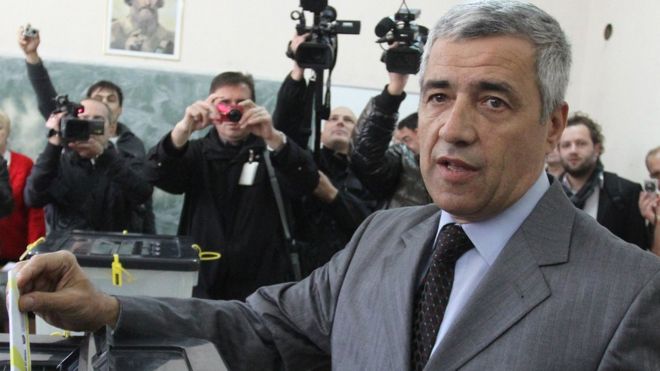
Oliver Ivanovic voting, 2013 file pic

Top Kosovo Serb politician Oliver Ivanovic shot dead

BBC

A prominent Kosovo Serb politician, Oliver Ivanovic, has been shot dead outside his party offices in the Serb-run north of Mitrovica.

Ivanovic, seen as a moderate Kosovo Serb leader, was shot four times in the chest and died later in hospital, his lawyer Nebojsa Vlajic said.

Serbian government negotiators walked out of EU-mediated talks with Kosovo Albanians in Brussels after the news.

Kosovo remains ethnically divided since unilaterally splitting from Serbia.

Mitrovica - in northern Kosovo - is divided, with the south run by Kosovo Albanians.

Shadow of conflict

Ivanovic, 64, headed a Kosovo Serb party called Freedom, Democracy, Justice. He had played a leading role in negotiations with Nato and the EU.

He was facing a retrial for alleged war crimes against ethnic Albanians committed in 1999.

In January 2016, EU judges in Kosovo sentenced him to nine years, but the verdict was overturned by an appeals court a year later.

Ivanovic had denied all charges.

"This is a criminal and terrorist act that must be and will be punished," Serbian delegate Marko Djuric said, announcing his move to walk out of the Brussels talks.

The Serbian government is holding an extraordinary security meeting in Belgrade.

Ivanovic rose to prominence in Kosovo Serb politics during the territory's conflict in 1999, when Serb forces battled Kosovo Liberation Army (KLA) guerrillas and committed war crimes against ethnic Albanian civilians.

A Nato air campaign forced Serbia to pull its troops out, but an EU law and order team remains in Kosovo.

Kosovo declared independence in 2008. It has been recognised by 115 countries, but not by Serbia and its ally, Russia.

Kosovo Assembly speaker threatens Serbia "not to come back"

(EPA, file, illustration purposes)
Kosovo Assembly President Kadri Veseli on Monday spoke at a gathering to honor the victims of "the Racak massacre," the website KoSSev has reported.

SOURCE: B92 

According to the report, citing the daily Lajmi, Veseli said that there can be "no international justice without justice for Racak," and that "the Racak massacre is a disgrace of international justice."

"January is a month of great pains, and the village of Racak suffered for Kosovo's freedom. Years go by, but the memory and the greatness of that day will never be forgotten. The battle for justice for Racak is not over," he said, according to the website.

Referring to Nis, a town in the southern part of central Serbia, Veseli said:

"Serbia should not try to come back, because we will not stop until Nis. This country will remain free, independent, and sovereign. Any kind of endangering will receive a deserved response from all Albanians wherever they live."

The Racak operation was used to launch NATO's 1999 bombing of Serbia. President Aleksandar Vucic last year described the "Racak case" as "a fabrication used as the reason to start a big conflict."

Serbian Politician Reportedly Killed in Kosovo

Oliver Ivanović
12:59 16.01.2018

Sputnik

Medics were unable to save the life of Oliver Ivanovic, leader of the political party GI SDP, after he was gunned down in the city od Kosovska Mitrovica in a Kosovo's region that borders southern Serbia.

Ivanovic was shot in the chest five times outside his office on Tuesday. The politician later died in a local hospital, his lawyer Nebojsa Vlajic said to local news outlet b92.

SDP party official Ksenija Bozovic has said to RSE that police officers have found the three shell casings at the scene. They have currently blocked the northern districts of Kosovka Mitrovica to locate the perpetrator.

Ivanovic was one of the key politicians in the predominantly Serbian nortern part of the region. In Serbia, he served as the State Secretary of the Ministry for Kosovo and Metohija till 2012.


The EU's Rule of Law Mission (Eulex) in Kosovo sentenced him to nine years in jail for nine years for alleged war crimes. However, the ruling was canceled in February 2017 and a new trial was ordered.

Boris Malagurski, a Serbian producer, twitted that prior to the assasination, several members of the SDP, left the party because of the threats.


​Following the news of the killing, the Serbian delegation has ended talks in Brussels and returned to Belgrade to hold an urgent internal security council meeting.

The tensions in northern Kosovo, which has a large Serbian population, remain high almost a decade after Kosovo declared independence from Serbia.

Monday, January 15, 2018

Η Τουρκία συνεχίζει τη μεταφορά αρμάτων μάχης στα σύνορα με Συρία


Ιανουάριος 15, 2018. Echedoros

Ο τουρκικός στρατός συνεχίζει να μεταφέρει  στρατιωτικό εξοπλισμό στα σύνορα με τη Συρία, μετά την ανακοίνωση των Αμερικανών ότι θα εκπαιδεύσουν τους Κούρδους για να προστατεύσουν τα σύνορα της Συρίας, αναφέρει η τουρκική ‘Yeni Şafak’.


Το δημοσίευμα αναφέρει ότι 24 μονάδες έχουν αποσταλεί στην περιοχή Ρεϊχανλί της επαρχίας Χατάι που συνορεύει με τη Συρία.

Μεταφέρονται τεθωρακισμένα οχήματα και οχήματα εξοπλισμένα με «μηχανήματα καταστολής των επικοινωνιών».

Επισημαίνεται ότι Τούρκοι στρατιώτες έχουν οργανώσει παρατηρητήρια στην περιοχή της Αφρίν  για την επιτήρηση της βόρειας συριακής επαρχίας.


 Την Κυριακή η Άγκυρα είχε ήδη στείλει μια αυτοκινητοπομπή  στρατιωτικού εξοπλισμού στα σύνορα με τη Συρία, μεταξύ των οποίων ήταν  και πέντε άρματα μάχης.

Presidenti Pavlopoulos, Tiranes: Ose respektoni te drejtat e grekeve, ose duhet te perballeni me pasojat


Pavlopulos, ka vazhduar edhe kete here me deklaraten me te forte ndaj Shqipërisë: 
Nëse s'respekton të drejtat e minoritetit të marrë përsipër pasojat


Pak ditë para para takimit të ministrave të jashtëm të Shqipërisë e Greqisë, që do të mbahet në Korçë, presidenti i Republikës greke, Prokopis Pavlopulos, ka drejtuar sërish një mesazh ndaj vendit fqinj.

Kësaj here Pavlopulos ka shfrytëzuar takimin me përfaqësues të diaporës greke dhe të organizatave të hebrenjve në ShBA, për të shpalosur qëndrimet e tij në marrëdhëniet me fqinjët.

“Ne synojmë integrimin europian edhe të Shqipërisë fqinje. Mirëpo Shqipëria, që të ketë perspektivë europiane, duhet të respektojë të drejtën europiane dhe ndërkombëtare. Dhe një nga akset më të rëndësishme të së drejtës europiane dhe ndërkombëtare është respektimi i të drejtave themelore të njeriut. Dhe nga të drejtat themeltare të njeriut është posaçërisht e drejta mbi pronën dhe të drejtat e minoritetit. Përderisa ka respektim nga ana e Shqipërisë, ne jemi këtu që të ndihmojmë.  Mirëpo, nëse nuk ka respektim, Shqipëria duhet të marrë përsipër pasojat. Të jemi të qartë: Ne nuk mund të bëjmë lëshime në emër të çfarëdo miqësie dhe fqinjësie të mirë”, ka deklaruar Pavlopulos.

Presidenti grek ka përdorur një gjuhë ultimative edhe ndaj fqinjit verior të Greqisë, Maqedonisë, në kohën që Athina dhe Shkupi po intensifikojnë përpjekjet për zgjidhjen e çështjes së emrit.

“Zgjidhja e kësaj çështjeje është kusht edhe për anëtarësimin e vendit fqinj në NATO dhe integrimin europian. Ju garantoj se ne grekët nuk kemi asnjë pretendim ndaj vendit fqinj dhe kemi çdo arsye të favorizojmë integrimin euro atlantik të tij. Mirëpo kjo ka nlë kusht: duhet të zgjidhet çështja e emrit. Duhet të jetë një emër që së pari të respektojë historinë; historia nuk falsifikohet. Dhe së dyti, ky emërtim nuk duhet të inkurajojë tendenca rivendikuese”, ka deklaruar presidenti i republikës greke.

Siç duhet, Greqia e kundërshton emrin kushtetues të Maqedonisë, me argumentin se mbaret pretendime territoriale ndaj Greqisë

/Ora News.tv/

Sunday, January 14, 2018

Ταξιδιωτική οδηγία ΗΠΑ: Προσοχή! Βία με πολιτικά κίνητρα σε όλο το Κοσσυφοπέδιο


 Ιανουάριος 14, 2018. Echedoros

«Τρομοκρατικές ομάδες συνεχίζουν να σχεδιάζουν πιθανές επιθέσεις στην περιοχή των Βαλκανίων, συμπεριλαμβανομένου του Κοσσυφοπεδίου.


»Οι Τρομοκράτες μπορούν να επιτεθούν με ελάχιστη ή καμία προειδοποίηση με στόχο τουριστικές τοποθεσίες, κόμβους μεταφοράς, αγορές/εμπορικά κέντρα, εγκαταστάσεις τοπικής αυτοδιοίκησης, ξενοδοχεία, κλαμπ, εστιατόρια, εκπαιδευτικά ιδρύματα, αεροδρόμια και άλλους κοινόχρηστους χώρους. Επιπλέον βία με πολιτικό κίνητρο παρουσιάζεται σε όλο το Κοσσυφοπέδιο», γράφει αμερικανική ταξιδιωτική οδηγία.


Σύμφωνα με το SManalysis, καθώς το ΝΑΤΟ προετοιμάζεται να εγκατασταθεί στην Αλβανία και το Μαυροβούνιο, διακυβεύεται η σταθερότητα στις χώρες της ΝοτιοΑνατολικής Ευρώπης εξαιτίας κάποιων σταδιακών εξελίξεων  πολιτικής αστάθειας αλλά και διεθνικών συγκρούσεων.


Μετά την Τουρκία, το υπουργείο Εξωτερικών των ΗΠΑ ενημερώνει τους πολίτες ότι ο κίνδυνος τρομοκρατίας εξαιτίας εθνικών προβλημάτων παραμένει υψηλός στο Κοσσυφοπέδιο.


Επίσης, το ΝΑΤΟ ανησυχεί για ενδεχόμενη εθνοτική βία αλλά και για τρομοκρατία στο Κοσσυφοπέδιο, και σκέφτεται σχέδια αντιμετώπισης όπως αυτά του 2003 σε εκδηλώσεις βίας μεταξύ Κοσοβάρων Αλβανών και Σέρβων.


(Στοιχεία από  travel.state.gov, smarkos.blogspot.gr)

Ενισχύουν την εμπροσθοφυλακή στο Κόσοβο οι ΗΠΑ – «Μείνετε μακρυά, έρχεται κύμα «τρομοκρατικών» επιθέσεων»


Ανανέωση: Ιανουάριος 14, 2018 Pentapostagma


Του Βασίλη Καπούλα


Η εμφάνιση ένοπλων σερβικών πολιτοφυλακών και η επίθεση εναντίον της σερβικής μειονότητας στην Αλβανία έθεσαν σε εφαρμογή σχέδιο έκτακτης ανάγκης σε Κόσοβο-Σερβία-Αλβανία. Το υπουργείο Εξωτερικών των ΗΠΑ έβγαλε ταξιδιωτική οδηγία πριν λίγο προειδοποιώντας τους πολίτες που σχεδιάζουν να μεταβούν στο Κοσσυφοπέδιο και ειδικά στο βορρά στις περιοχές Μιτρόβιτσα, Λεποσάβιτς, Ζούμπιν , Ποτόκ  και Ζβετσάν να είναι πολύ προσεκτικοί, διότι επίκεινται «τρομοκρατικές» επιθέσεις. Πρόκειται για επίσημη ανακοίνωση από την Πρεσβεία των ΗΠΑ στην Πρίστινα.

Ταυτόχρονα  οι ΗΠΑ έστειλαν αιφνιδαστικά δυνάμεις του 2-504 συντάγματος πεζικού της 82ης αερομεταφερόμενης Ταξιαρχίας. Η πρόβα πολέμου ξεκίνησε με πραγματικά πυρά στο Κόσοβο.


Η  Πρεσβεία, η οποία παρακολουθεί τα τεκταινόμενα , ειδικά μετά την εμφάνιση σερβικών πολιτοφυλακών όπως αναφέραμε χθες απο το pentapostagma.gr, προειδοποιεί τους πολίτες των ΗΠΑ που επιθυμούν να έρθουν στο Κοσσυφοπέδιο, να έχουν πρόσθετη επαγρύπνηση  λόγω πιθανών αναταραχών, καθώς και πιθανών τρομοκρατικών επιθέσεων (έτσι τις ονομάζει περιγράφοντας την εθνοτική κόντρα ως πολιτική σύγκρουση)  .


«Τρομοκρατικές ομάδες σχεδιάζουν επιθέσεις στα Βαλκάνια, συμπεριλαμβανομένου του Κοσσυφοπεδίου.

Οι τρομοκράτες μπορούν, με μικρή προειδοποίηση  ή χωρίς προειδοποίηση, να επιτεθούν σε τουριστικά αξιοθέατα, σταθμούς λεωφορείων,  αγορές / εμπορικά κέντρα, τοπικά κυβερνητικά κτίρια, ξενοδοχεία, clubs, εστιατόρια, χώρους λατρείας, πάρκα, μεγάλες αθλητικές και πολιτιστικές εκδηλώσεις, εκπαιδευτικά ιδρύματα , αεροδρόμια και άλλους δημόσιους χώρους. Επιπλέον, υπάρχει βία με πολιτικό κίνητρο σε ολόκληρο το Κοσσυφοπέδιο», αναφέρει η ανακοίνωση προς τους πολίτες των ΗΠΑ που ταξιδεύουν στο Κοσσυφοπέδιο.


Σε αυτή την προειδοποίηση, αναφέρονται  τα μέρη που πρέπει να αποφευχθούν στο Κοσσυφοπέδιο όπως είναι  βόρεια οι πόλεις :  Μιτρόβιτσα, το Λεσπόβιτς, το Ζούπιν, το  Ποτόκ και η  Ζβετσάν.

«Οι εντάσεις εντός και μεταξύ των κοινοτήτων ( Σέρβων-Αλβανών)  στο βόρειο Κοσσυφοπέδιο εξακολουθούν να υποκινούν  βία, διαδηλώσεις και άλλες αναταραχές στη Βόρεια Μιτρόβιτσα, Λεποσάβιτς, Zubin Potok και Ζβετσάν.

Παρά το γεγονός ότι οι πρόσφατες ταραχές δεν περιλαμβάνουν τους τουρίστες και τα μέλη της διεθνούς κοινότητας, οι περαστικοί μπορούσαν να επηρεαστούν εάν υπάρξουν βίαια επεισόδια»,καταλήγει το έγγραφο .

Η ανακοίνωση ανέφερε επίσης ότι η κυβέρνηση των ΗΠΑ έχει περιορισμένη πρόσβαση στην παροχή υπηρεσιών έκτακτης ανάγκης στο βόρειο τμήμα και ειδικά «στη Βόρεια Μιτρόβιτσα, Λεποσάβιτς, Zubin Potok και Ζβετσάν (περιοχές που υπάρχουν οι Σέρβοι).

Την ίδια στιγμή ο Πρωθυπουργός της Βουλγαρίας Μπόικο Μπορίσοφ  προειδοποίησε σήμερα για τους τεράστιους κινδύνους αστάθειας στα Βαλκάνια οι οποίοι μπορούν να μετατρέψουν την περιοχή σε μια «νέα Συρία».

Σύμφωνα με τον ίδιο, υπάρχουν κίνδυνοι στα δυτικά της Βαλκανικής χερσονήσου, ειδικά εάν η ΕΕ δεν επιβεβαιώσει ότι οι χώρες της περιοχής εξακολουθούν να έχουν την προοπτική της ένταξης στην Ευρωπαϊκή Ένωση.

«Εάν η ΕΕ δεν στείλει ένα σαφές μήνυμα προς τις χώρες δυτικά της Βαλκανικής Χερσονήσου, και δεν έχουμε την προοπτική της ένταξης στην Ευρωπαϊκή Ένωση, τότε στην περιοχή μπορεί να αναδυθεί το σενάριο της Συρίας», δήλωσε ο Πρωθυπουργός της Βουλγαρίας Μπόικο Μπορίσοφ και πρόσθεσε ότι η ΕΕ « αφήνει στα Δυτικά Βαλκάνια να συγκεντρώνονται πικρά φρούτα».

Πρόκειται για τον νοητό άξονα ΠΓΔΜ-Βοσνία-Κοσσυφοπέδιο με προεκτάσεις στην νότια Σερβία και την κοιλάδα του Πρέσεβο μέχρι την Αλβανία.


Τα Βαλκάνια θα αποτελέσουν το επόμενο πεδίο αντιπαράθεσης ΗΠΑ-Ρωσίας για να λυθούν τα γεωπολιτικά τους σχέδια με έναν πιθανό πόλεμο που θα συνταράξει όχι μόνο την περιοχή αλλά την Ευρώπη ολόκληρη που κυριαρχείται από την  «γερμανική οικονομική δικτατορία».

Υπενθυμίζουμε ότι πριν μερικούς μήνες η  Πρεσβεία των ΗΠΑ στο Βελιγράδι αποκάλυψε εμπιστευτικό έγγραφο της CIA που ανέφερε  ότι μέσα στους επόμενους 12 μήνες πιθανόν να ξεσπάσει πόλεμος στα Βαλκάνια.

Το σενάριο τόνιζε ότι οι Αλβανοί θέλουν τη Μεγάλη Αλβανία και θα κτυπήσουν τη Σερβία,τα Σκόπια και την Ελλάδα.

Οι Κροάτες και Βόσνιοι θα μπουν στον πόλεμο στο πλευρό του Μαυροβουνίου,ενώ η Ελλάδα και η Βουλγαρία θα βοηθήσουν  τη Σερβία.Οι Ρώσοι ήδη στέλνουν  όπλα στη Σερβία, ενώ θα στείλουν και άλλα .

Αυτό το σενάριο ήταν μέρος εμπιστευτικού εγγράφου της CIA που αποκάλυψε η σερβική εφημερίδα Informer μέσω της Αμερικάνικης Πρεσβείας στο Βελιγράδι.

Οποιαδήποτε πιθανή επίθεση στη Σερβία θα επιφέρει άμεση και επιτόπου στρατιωτική παρέμβαση της Ρωσίας, με την αποστολή ακόμα πιο σύγχρονων όπλων στους Σέρβους, λόγω της εγγύησης της εδαφικής  ακεραιότητας της χώρας σύμφωνα με τον επικεφαλής όλων των ρωσικών δυνάμεων και πρόεδρο Β.Πούτιν .

Σε περίπτωση γενικευμένου πολέμου στα Βαλκάνια θα συμπράξουν η Σερβία με την Ελλάδα, που επίσης βρίσκεται στο στόχαστρο της Μεγάλης Αλβανίας . Ελπίζουμε όλα αυτά να μείνουν σενάρια διότι ένας τέτοιος πόλεμος θα ήταν τρομακτικός για όλους .

US Department of State warning traveling to Kosovo, is increased the risk of terrorism and ethnic tensions


Exercise Albanian Lion. Crown Copyright.

Exercise Albanian Lion

SManalysis

As NATO is preparing to deploy to Albania and Montenegro, the political stability of the SEE countries is at stake, as a result of some regressive developments with political instability but also conflicts with the neighbors.

After Turkey, the US State Department has informed its citizens that the risk of terrorism and ethnic problems remains high in Kosovo.


NATO is worried that there may be ethnic violence but also terror in Kosovo, restoring 2003 schemes, from the outbreak of ethnic violence between Kosovar Albanians and Serbs.


Follow the announcement of the US Department of Kosovo.


Link

Exercise increased caution in Kosovo due to terrorism. Some areas have increased risk. Read the entire Travel Advisory.

Reconsider travel to:

North Mitrovica, Leposavic, Zubin Potok, and Zvecan due to civil unrest.

Terrorist groups continue plotting possible attacks in the Balkans region, including Kosovo. Terrorists may attack with little or no warning, targeting tourist locations, transportation hubs, markets/shopping malls, local government facilities, hotels, clubs, restaurants, places of worship, parks, major sporting and cultural events, educational institutions, airports, and other public areas.  In addition, politically motivated violence occurs throughout Kosovo.

Read the Safety and Security section on the country information page.

If you decide to travel to Kosovo:

Avoid demonstrations.
Stay alert in locations frequented by Westerners.
Monitor local media for breaking events and adjust your plans based on new information.
Enroll in the Smart Traveler Enrollment Program (STEP) to receive Alerts and make it easier to locate you in an emergency.
Follow the Department of State on Facebook and Twitter.
Review the Crime and Safety Report for Kosovo.
U.S. citizens who travel abroad should always have a contingency plan for emergency situations.  Review the Traveler’s Checklist.
North Mitrovica, Leposavic, Zubin Potok, and Zvecan

Tensions within and between communities in northern Kosovo continue to provoke violence, demonstrations, and other unrest in North Mitrovica, Leposavic, Zubin Potok, and Zvecan. Although recent unrest has been politically-related and does not involve tourists or members of the international community, bystanders can be affected if violent incidents occur.

The U.S. government has limited ability to provide emergency services to U.S. citizens in northern Kosovo as U.S. government employee travel to North Mitrovica, Leposavic, Zubin Potok, and Zvecan is restricted.  

Σκόπια: Μάλλον δεν θα υπογράψει ο Ιβάνοφ για την αλβανική γλώσσα…


Ιανουάριος 14, 2018. Echedoros


Ο πρόεδρος των Σκοπίων, Γκιέργκι Ιβάνοφ,  που ανήκει στο κόμμα του VMRO-DPMNE πιθανόν να μην υπογράψει για την αναγνώριση της αλβανικής γλώσσας ως δεύτερης επίσημης γλώσσας του κράτους.

Οι πληροφορίες από την ‘Gazeta Tema’ έρχονται μετά τις ανακοινώσεις από το κόμμα της αντιπολίτευσης VMRO-DPMNE, ότι δεν πρόκειται να συναινέσει  στην πρωτοβουλία της κυβέρνησης για εξίσωση της αλβανικής γλώσσας  με την ομιλούσα σλαβική των Σκοπίων.


Πηγή προσκείμενη στο γραφείο του προέδρου των Σκοπίων ανέφερε ότι αυτό είναι πολύ σαφές ( ότι δεν πρόκειται να υπογράψει αυτόν τον νόμο που ψηφίσθηκε από το Κοινοβούλιο) και ότι προτίθεται να ασκήσει βέτο σε αυτόν.


Επισημαίνεται, επίσης, ότι το Γραφείο του Προέδρου, μετά τη ψήφιση του σχετικού νόμου για την αλβανική γλώσσα, κατέβασε τα τηλέφωνα και προέβη σε καμία ενημέρωση στα μέσα μαζικής ενημέρωσης, μετά από την ψήφιση του νομοσχεδίου από τους 69 βουλευτές στο Κοινοβούλιο.


Ωστόσο, βουλευτές του DUI και ο πρόεδρος του Κοινοβουλίου Ταλάτ Τζαφέρι, τόνισαν ότι ο πρόεδρος της χώρας πρέπει να υπογράψει για να επικυρώσει  τη Συμφωνία Πλαίσιο της Οχρίδας μεταξύ Αλβανών και Σλάβων το 2001.

Reforma në Drejtësi, mashtruesit e Tiranës dhe të Brukselit


Fatos Lubonja

Argumenti më absurd që kam hasur në mediat shqiptare kohët e fundit është ai sipas të cilit Edi Rama votoi pro rezolutës që kundërshtonte njohjen e Jerusalemit si kryeqytet të Izraelit sepse donte të pengonte reformën në drejtësi. Pra, se amerikanët do të mërziteshin me Ramën dhe nuk do të jepnin ndihmat materiale dhe logjistike për reformën; dhe kjo ngaqë Rama nuk e do këtë reformë pasi i trembet edhe vetë. Argumentin e bënte edhe më absurd fakti se këtë e tha opozita që akuzohet nga Rama se është ajo që nuk e do reformën në drejtësi pasi ka frikë prej saj.

Në fakt, reforma po çan përpara drejt suksesit me vela të fryra. Dhe në erën që e fryn, është edhe kontributi i pamohueshëm i bulçive të ambasadorit amerikan. Doni prova? Po ja, kjo që po bën Kryeprokurorja e përkohshme, kujtoni ju se nuk është reformë? Kjo është vetë reforma. Do të thoni ju: po vetingu? Prisni se edhe atij do t’ia ndieni krismën, por Arta është pararoja e vetingut sepse, siç do të thoshte Orwelli në këtë rast, të gjithë janë të barabartë përpara vetingut, përveç atyre që janë vetë vetingu. Dhe mos bëni sikur e keni për herë të parë ju të opozitës. A nuk ju kujtohet kur zëvendësuat gjyqtarët, që nuk i kontrollonit dot me ata me kurse 6-mujore te plepat e Kavajës? Po sulmet ndaj Ina Ramës si prostitutë e bulevardit, a i keni harruar? Jo, jo, të mendosh se politikanët shqiptarë duan prokurorë të pavarur, është njëlloj sikur të imagjinosh hajdutët duke u përpjekur që të vihen roje të ndershme, në vendet ku ata do të shkojnë të vjedhin.

Po atëherë, ç’është kjo reformë, që askush s’e do dhe të gjithë e brohorasin? Po ambasadorët ç’dreqin kanë që ngatërrohen me këto mashtrime?

Teoria ime është kjo: Jetojmë në një vend ku, siç ka thënë dje edhe vetë Rama, jeta për njerëzit e ndershëm është bërë e pamundur. Imagjinoni, shqiptarët, më 2016, vinin në Gjermani pas sirianëve për ikje nga vendi i tyre. Më 2017, në Francë u bënë të parët, duke ua kaluar edhe afganëve. Ka më tmerr se kjo? Një vend i pashpresë, që veç tjerash, po dëshpëron edhe vendet e tjera ku po eksporton mjerim dhe krim. E, pra, në këtë lloj vendi o duhet të ulesh e të punosh me përulësi, sinqeritet e përkushtim për njerëzit e ndershëm, o duhet të gjesh mashtrimin e radhës me njerëzit e pandershëm. E meqenëse për të parën kjo racë shqiptarësh nuk ka bythë, “Reforma në Drejtësi” është mashtrimi i radhës për të gjetur një fajtor dhe për të ndërtuar një shpresë të rreme për budallenjtë e radhës. Është edhe mashtrimi më polivalent sepse i shërbente një shumësie aktorësh dhe qëllimesh. Më së pari i shërben kryemashtruesit të këtij vendi, Edi Ramës, për të kapur edhe pushtetin e drejtësisë ashtu siç, nëpërmjet reformash të tjera, pastroi institucionet nga kundërshtarët e tij, me rezultat zero. I shërben edhe si një alibi për të thënë se gjërat nuk kanë shkuar mirë deri tani, sepse na kanë penguar disa njerëz të liq në drejtësi, që kanë qenë të lidhur nga kundërshtarët e mi të liq. Teorinë që përdori kur u bashkua me Metën se është sistemi që e pjell të keqen, jo njerëzit, tani e zëvendësoi me teorinë se janë disa njerëz të liq, si Meta, që na e kanë sjellë të keqen. Por reforma i shërben edhe si një mashtrim për të huajt që do thonë: ja reformatori i guximshëm, që më në fund po lufton korrupsionin në Shqipëri!

Ndërkaq, togfjalëshi magjik u shërben goxha edhe mashtruesve të Brukselit. Në funksion të projektit të Bashkimit Europian, janë derdhur shumë para. Për të punon një armatë e tërë burokratësh, e paguar nga taksapaguesit europianë me rroga të majme. Dhe ndër nënprojektet e rëndësishme të këtij projekti, që po jep shpirt nga paaftësia dhe korrupsioni i këtyre burokratëve, është edhe ai i integrimit në Europë i Ballkanit Perëndimor. E, pra, edhe këtyre perëndimorëve u duhen disa prova se rrogat e tyre nuk paguhen kot. Ja, në sajë të ndihmës së tyre kompetente, vende si Shqipëria po bëjnë hapa përpara drejt integrimit. Taksapaguesit europianë duhet të jenë të sigurt se paratë e tyre nuk kanë shkuar në ndonjë gropë të zezë dështimi e korrupsioni. Dhe a ka provë më të mirë sesa një Reformë në Drejtësi, që do të kurojë sëmundjen më të rëndë të vendeve si Shqipëria, që nuk i le ta çojnë vendin drejt Europës, por i bën banorët e tyre të lenë vendin për të invaduar Europën. Ja pse suksesi i kësaj reforme është kaq i nevojshëm për t’u reklamuar. Po Lu-ja, ç’pjesë ka në këtë mashtrim, do të pyesë ndokush. Lu-ja përfaqëson SHBA, që është partneri i madh i Perëndimit, plus që duket se është i lidhur me lobet që kanë mbështetur Ramën në SHBA – në mos pastë edhe ndonjë “inat personal” me drejtësinë aktuale për shkak të “Bankers Petrolium” – siç thonë gojët e liga.

E kështu, tani kemi arritur në një pikë ku mungon vetëm një gjë e vogël për ta përmbyllur në mënyrë të suksesshme këtë mashtrim. Kjo gjë e vogël e ka mbiemrin të madh sepse quhet: “peshku i madh”. Duhet, pra, që rrjeta e reformës “ramalu”, vrimat e së cilës po i mbyll me shpejtësi kamikazja Arta Marku, të hidhet në det sa më parë dhe të ngrihet që andej me një apo dy peshq të mëdhenj, që t’i fotografojnë të gjithë të kapur në rrjetë. Atëherë, e gjithë bota perëndimore do të ndalë frymën e do të thotë: bravo Shqipëria, bravo Edi Rama, faleminderit Bruksel, faleminderit ambasadori LU!

Do të thoni ju, po dosja Rama – Tahiri e kthimit të vendit në narkoshtet, po drejtorët e Policisë trafikantë droge të arratisur, po koncesionet kriminale të Ramës, po kullat si pastrim i parave të drogës, po votat e blera me para të pista, po shqiptarët që ikin me vrap nga vendi. Harrojini sa më shpejt këto, historinë e bëjnë fitimtarët. Tani s’na ka mbetur, veçse të themi: e gëzofshim reformën “ramalu”!p