Friday, May 17, 2019

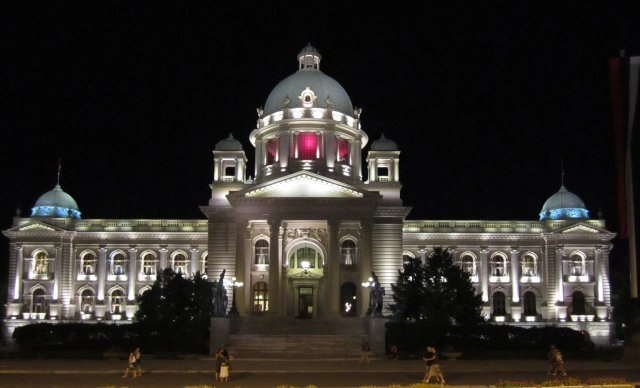
Serbian Assembly to hold special session dedicated to Kosovo

SManalysis
(Tanjug, file)
Serbian National Assembly president Maja Gojkovic has convened a special session for May 27.

SOURCE: BETA, TANJUG FRIDAY, MAY 17, 2019 | 13:26

The Assembly will debate a report on Kosovo and Metohija.

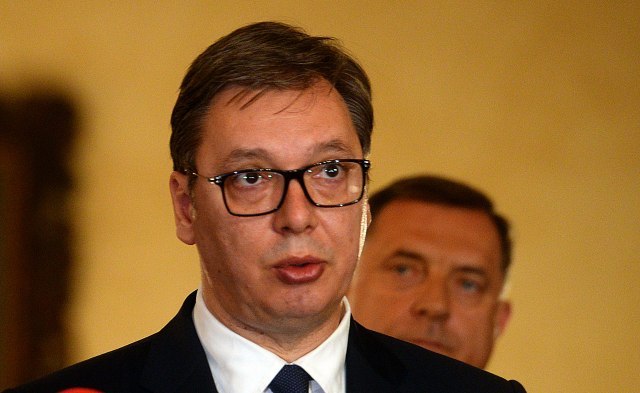
Gojkovic told journalists on Friday that she will invite President Aleksandar Vucic to attend the session, take part in the discussion and submit a report on Kosovo and Metohija. Vucic previously told RTS that he was ready to participate.

Prime Minister Ana Brnabic will also be invited, as well as members of the government, and Director of the Office for Kosovo and Metohija Marko Djuric.

"We expect that after the president's report, the debate will open and that all deputies of the National Assembly will take part in it, because this is a very important topic," said Gojkovic.

US Delivers Dozens of Military Helicopters to Greece

SManalysis

By Tasos Kokkinidis -May 17, 2019

Greek Reporter


Seventy OH-58D Kiowa Warrior reconnaissance helicopters and one CH – 47 Chinook helicopter have arrived in Greece from the US, in the context of agreements which have been signed by the two countries.

The helicopters were unloaded at the port of Volos on Thursday and subsequently flown by mixed US and Greek crews to the Hellenic Army Aviation air base at Stefanovikio, where, according to the latest information, the training of their crews will begin immediately.

The chief of the Hellenic Army General Staff, Lieutenant General Georgios Kambas, accompanied by Army Aviation Director Major General Christos Iliopoulos, visited the area to oversee the process.

According to an army announcement made on Friday, the “air assets have been characterized as immediately usable and are expected to become fully operational soon.”

The ceremony to officially incorporate the helicopters into the Greek Army Aviation force is expected to be held in mid-June.

President warns that Pristina wants to move against Serbs

SManalysis
(Tanjug, file)
President Aleksandar Vucic has told RTS that the Kosovo authorities want to arrest 26 police officers from northern Kosovo, and another 15 people.

SOURCE: RTS FRIDAY, MAY 17, 2019 | 09:52

According to him, the excuse for the arrests is that they had participated "in corruption, and the like."

Vucic also told the public broadcaster that "the vicious circle in Kosovo has not been closed."

"They want to arrest 26 Serb police officers from North Kosovo and Metohija and another 15 people, on the pretext that they had participated in corruption and various similar things - so that Kosovska Mitrovica would remain unprotected, and so they could do the dirtiest things against our people," he said.

According to him, this would be followed by "the final act of attempting to completely master the space where the Serbs live in Kosovo."

"Then they would say - we brought you before a done deal, like the Croats did with (Operation) Storm," said Vucic.

The president pointed out that Serbia has informed "international institutions" about this.

"The fact that (Kosovo Assembly president) Veseli speaks about Nis, Kursumlija and other places (in central Serbia) - it would be good if he came, to see what that looks like and how he plans to succeed. And Serbia will react with restraint, calmly, but will protect its people," said Vucic.

Έλληνες πολιτικοί: Μην μιλάτε για τη Χιμάρα, όλοι μαζί, έχετε φτάσει στο μηδέν ...

SManalysis


Αυτό που συμβαίνει με τη Χιμάρα δεν περιγράφεται σε καμία πολιτική κατάσταση της Ελλάδας.

Η Αλβανία διεξάγει Έθνικο Καθαριση στη Χιμάρα και η ελληνική κυβέρνηση Συρίζα, αλλά και η Νέα Δημοκρατία, δεν έχουν καταγγείλει στο ΟΗΕ και ΕΕ σε αυτό το γεγονός ....

Αλλά ... για τις ψήφους, όλοι γίνονται ψευδοπατριώτες και η Χειμάρα έρχεται και κατοικείται από Αλβανούς μουσουλμάνους.

Οι ελληνικές κυβερνήσεις έχουν μόνο ένα στόχο: θέλουν να έχουν τη θαλάσσια περιοχή μήκους 12 μιλίων με την Αλβανία και για τη Χιμάρα, ούτε ενδιαφέρονται για το τι γίνεται ...

Thursday, May 16, 2019

North Macedonia: Convicted terrorists say, "This is Albania"

SManalysis
(EPA-EFE, file, illustration)
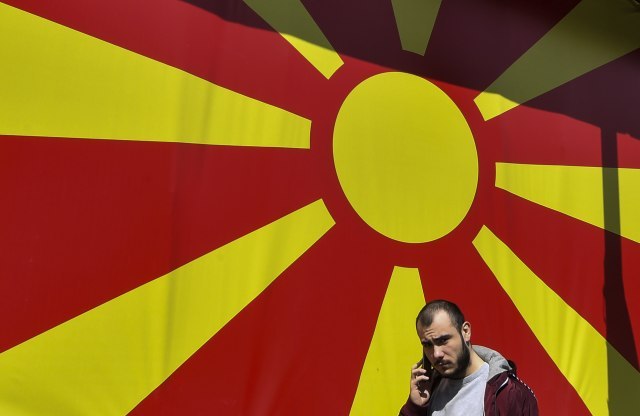
"This is Albania," a group convicted for carrying out a terrorist attack in Kumanovo, North Macedonia, declared in the Appellate Court in Skopje on Thursday.

SOURCE: TANJUG THURSDAY, MAY 16, 2019 | 15:29

The group of ethnic Albanians appeared in court as they have been granted a retrial by the North Macedonia judicial authorities.

They also said that they did not recognize the court, and that the lawyers assigned to them had no right to speak for them, North Macedonia-based website A1on is reporting.

"This court does not exist for us. This is Albania. The lawyers assigned to us have no right to speak on our behalf. We have been listening for four years, now you listen to us," said Genc Sefaj, one of the convicts.

They said that "the entire court process had been framed by the coalition of Nikola Gruevski and Ali Ahmeti" - and demanded to have as witnesses former Prime Minister Gruevski, former director of the Macedonian Security Service Saso Mijalkov, current head of the ruling Albanian party Ali Ahmeti, former head of the state of Gjorge Ivanov, Stojance Angelov, Musa Xhaferi, Sadula Duraki, as well as other senior former and current officials of the DUI - another ethnic Albanian party in North Macedonia.

After this, they left the public session of the Appellate Court, which continued only in the presence of their lawyers.

The Basic Court in Skopje previously sentenced the members of the group to seven life sentences, 13 prison sentences of 40 years, six to 20 years, one to 18 years, two each to 14 prison and 13 years - while four had been released for lack of evidence.

The court also sentenced 16 people to expulsion from the state and a permanent ban on entry into the territory of North Macedonia.

The terrorist attack in Kumanovo's Divo settlement took place on May 9 and 10, 2015, when Macedonian police clashed with more than 40 armed members "of an unknown organization, hiding in local houses."

Eight police officers were killed while 37 suffered serious injuries in the clashes. The police managed to overcome the attackers, capturing 27 of them.

«Financial Times»: Εάν η ΕΕ κλείσει την πόρτα στα Βαλκάνια θα έρθουν ανακατατάξεις

SManalysis


Μάιος 16, 2019. Echedoros

«Η Ευρωπαϊκή Ένωση δεν πρέπει να εγκαταλείψει τα Βαλκάνια και οι ανεκπλήρωτες υποσχέσεις προσχώρησης μπορούν να αποδυναμώσουν τα μετριοπαθή και ρεφορμιστικά ρεύματα στην περιοχή», γράφουν οι «Financial Times».


Η γνωστή εφημερίδα σε άρθρο της για τα Δυτικά Βαλκάνια αναφέρει ότι η ΕΕ δεν πρέπει να κάνει το ιστορικό λάθος και ότι οι ηγέτες της ΕΕ στη διάσκεψη κορυφής του Ιουνίου πρέπει να αποφασίσουν για τις ενταξιακές διαπραγματεύσεις με την Αλβανία και τη Βόρεια Μακεδονία.


Όπως σημειώνεται «η απόφαση πρέπει να είναι ομόφωνη, καθώς ορισμένες χώρες, όπως η Γαλλία και η Ολλανδία, διστάζουν στο επόμενο στάδιο της διεύρυνσης της Ένωσης.


Η Γαλλία θέλει η ΕΕ να επικεντρωθεί στις μεταρρυθμίσεις της, ενισχύοντας τη ζώνη του ευρώ και αποφεύγοντας μέτρα που θα μπορούσαν να ενισχύσουν τα εθνικιστικά και λαϊκιστικά ρεύματα. Ωστόσο, αυτό μπορεί να στραφεί κατά της ΕΕ, καθώς θεωρεί  ότι τα Βαλκάνια είναι υπό τον έλεγχό της, πιστεύει ο Βρετανός συντάκτης.


Η αγγλοσαξονική εφημερίδα παραθέτει ένα παράδειγμα επίλυσης διαφορών όπως είναι αυτό μεταξύ των Σκοπίων και της Ελλάδας, όπου στα Σκόπια έχουν δείξει να εγκαταλείπουν τον αυξημένο εθνικισμό της προηγούμενης κυβέρνησης.


Ο λαός της Βόρειας Μακεδονίας αναρωτιέται εάν η ΕΕ θα ανοίξει τις θύρες της και εάν η τολμηρή διπλωματία και η διαχείριση της εθνικής διάστασης στη διαφωνία του ονόματος θα ανταμειφθεί με  τις ενταξιακές διαπραγματεύσεις, γράφει το δημοσίευμα.


Μια πρόσκαιρα αρνητική θέση της ΕΕ θα μπορούσε να καθυστερήσει τις μεταρρυθμίσεις στη Βόρειο Μακεδονία, θα έβλαπτε την καταπολέμηση της διαφθοράς και του οργανωμένου εγκλήματος, και μάλιστα θα μπορούσε να αναβιώσει τον σοβινισμό των κατοίκων, εκτιμά η εφημερίδα.


«Εάν η θύρα της ΕΕ παραμείνει κλειστή, τα μετριοπαθή ρεύματα ενδέχεται να δυσφημιστούν, και υπάρχει ο κίνδυνος η θύρα να ανοίξει για τη Βόρεια Μακεδονία και η Αλβανία να παραμείνει σε αναμονή.


Μια τέτοια εξέλιξη  θα πυροδοτούσε με βενζίνη τον αλβανικό εθνικισμό», γράφουν οι FT και προσθέτουν ότι υπάρχει ο κίνδυνος να αναβιώσει η ιδέα μιας «Μεγάλης Αλβανίας».


Αναλύοντας τη γενικότερη κατάσταση, η βρετανική εφημερίδα θεωρεί ότι ένα τέτοιο σενάριο υπονομεύει περαιτέρω τις προσπάθειες επίλυσης του ζητήματος μεταξύ Βελιγραδίου και Πρίστινα και εντείνει τις εντάσεις μεταξύ Βόσνιων, Κροατών και Σέρβων στη Βοσνία και Ερζεγοβίνη.


«Εκείνοι που επικρίνουν τη διεύρυνση της ΕΕ έχουν δίκιο όταν λένε ότι στις βαλκανικές χώρες η ποιότητα της δημοκρατίας και του κράτους δικαίου είναι χαμηλότερες από τις προδιαγραφές της ΕΕ. Αλλά, η εμπιστοσύνη της περιοχής στην Ευρωπαϊκή Ένωση και ο ενθουσιασμός του λαού για τις δύσκολες μεταρρυθμίσεις που απαιτούνται για την ένταξη θα μειωθούν, εάν η ΕΕ δεν στείλει ένα θετικό μήνυμα στη σύνοδο του Ιουνίου», προσθέτει η βρετανική εφημερίδα.

Wednesday, May 15, 2019

Tirana Scraps Work Permits for Montenegrin, North Macedonia Albanians

SManalysis

Samir Kajosevic Podgorica  BIRN May 14, 2019

Ethnic Albanians who live in Montenegro and North Macedonia no longer need to apply for permits to work in Albania - part of a government initiative to boost ties between Albanians in the region.

Albanian PM Edi Rama. Photo: EPA/Filip Singer

Starting this week, Ethnic Albanians from Montenegro and North Macedonia now have the same access to jobs in Albania as locals, according to a decision made by Albanian Prime Minister Edi Rama’s cabinet, which was made public on Monday.

“Albanians from Montenegro and North Macedonia will enjoy the right to employment, just as Albanian citizens do, except when employment is specifically related to Albanian citizenship, in accordance with applicable legislation,” the Ministry of Finance and Economy said in a statement.

Albanian Foreign Minister Gent Cakaj said that the decision, which was officially approved on May 10, means that Albanians from Montenegro and North Macedonia now have the same rights to work in the country as Albanians from Kosovo and Serbia’s Presevo Valley area.

The Albanian government scrapped work permits for Albanians from Kosovo and the Presevo Valley in May 2014.

“Although it may look like a move without immediate impact or sounds like a completely symbolic initiative, this is a necessary step towards increasing ties with Albanians in neighbouring countries without differentiation [on grounds of citizenship],” Chakaj wrote on Facebook on Monday.

He added that the decision was part of a wider package of measures that Albania has planned to bring ethnic Albanians in the region closer together.

Ethnic Albanians make up about five per cent of the population of Montenegro, and they form the majority in the Tuzi area and much of south-western Montenegro.

While overall unemployment in Montenegro is around 16 per cent, the figure is closer to 20 per cent in areas such as Tuzi and Ulcinj, which are home to most of the country’s ethnic Albanians.

Only 2.8 per cent of the jobs on the state’s payroll are held by ethnic Albanians, according to a government report on the state’s employment of minorities, published in June 2011.

Albanians are the largest ethnic minority in North Macedonia, where they make up around a quarter of the population of two million, according to the 2002 national census.

Some estimates suggest that some 200,000 ethnic Albanianas from North Macedonia have left the country to work abroad, seeking better economic conditions.

Albania's perversion of the 1997 crisis, for civil clash ...2019

SManalysis


Dont forget the article of British Media, The Indipendent, 1997, who explose the albanian totalitarism regim in 1997, which comes Albania in Civil War, now  equivalenmt with the article of Bild of German media 2019

https://www.independent.co.uk/news/the-gangster-regime-we-fund-1278436.html

Today same article to Bild: https://www.bild.de/politik/ausland/politik-ausland/aufstand-in-albanien-warum-brennt-der-balkan-61894994.bild.html?fbclid=IwAR3QgNqq-ZbMgwaABfKWs5hTj26YreH2Wnp1YzFAqokbn1vhsSRYfTYOLyw

Tuesday, May 14, 2019

Don’t play with fire: Serbian defense chief castigates ‘dangerous Greater Albania’ gambit

SManalysis
Serbian Defense Minister Aleksandar Vulin
World May 13, Tass

Greater Albania is the pan-Albanian idea of reunifying all territories, where Albanians live or used to live


Serbian Defense Minister Aleksandar Vulin © Sefa Karacan/Anadolu Agency/Getty Images
MOSCOW, May 13. /TASS/. Albania’s expansionist ambitions jeopardize peace and stability in the Balkans, Serbian Defense Minister Aleksandar Vulin said in an interview with TASS on Monday.

"A major threat to the Balkans right now is the creation of a Greater Albania and its attempt to gain a foothold in the territories of other states, starting with Montenegro, North Macedonia, the territory of Kosovo and Metohija, and a part of Central Serbia," Vulin said. "The only country, which opposes this, is Serbia."


Moscow says renewed pan-Albanian rhetoric unlikely to contribute to Balkan stability
According to Vulin, after North Macedonia’s accession to NATO, all Albanians will live in a single political security zone, but the Albanian prime minister expressed his wish to "erase the borders among those states where Albanians live." "And they live in four countries, and this is alarming," he said. "Moreover, the European Union and NATO are turning a blind eye to the formation of a Greater Albania."

"If someone wants to solve the Albanian national issue in the Balkans, they should also iron out the Serbian national issue," the Serbian defense minister stressed. "We cannot give the Albanians something without giving the same to the Serbs. That’s why, I take this opportunity to warn the entire world: Don’t play with fire! Don’t create a Greater Albania on Serbian soil."


Greater Albania is the pan-Albanian idea of reunifying all territories, where Albanians live or used to live. In this case, the Albanians will seek to obtain a part of Greece’s territory, half of Macedonia, all of Kosovo and some territories of southern Serbia, as well as a half of Montenegro. Russian Foreign Minister Sergey Lavrov earlier said that Moscow was concerned since the EU was passive about the initiative about the so-called Tirana platform, which is a clear call for creating a Greater Albania.


More:
http://tass.com/world/1057931

Πρεσβεία ΗΠΑ στο Κοσσυφοπέδιο: Οι εγκληματίες πολέμου δεν έχουν θέση στην κυβέρνηση

SManalysis


Μάιος 14, 2019. Echedoros

Η πρεσβεία των ΗΠΑ στην Πρίστινα, εξέφρασε την ανησυχία της για την απόφαση της κυβέρνησης του Κοσσυφοπεδίου να προσλάβει μη ειδικευμένο προσωπικό σε θέσεις στην εκτελεστική εξουσία και να διορίσει άτομα τα οποία έχουν καταδικαστεί για εγκλήματα πολέμου καθώς και εκείνα που έχουν καταδικαστεί για σοβαρές εγκληματικές πράξεις.


Όπως σημειώνει η κοσοβάρικη Gazeta Express, ο Αμερικανός πρέσβης Φίλιπ Κόνσετ είχε νωρίτερα δηλώσει ότι οι κρατούμενοι για εγκλήματα πολέμου δεν έχουν θέση στην κυβέρνηση του Κοσσυφοπεδίου, και ότι τα άτομα σε υψηλές θέσεις θα πρέπει να πληρούν τις προϋποθέσεις για την εργασία που διορίζονται και κυρίως να έχουν μια πανεπιστημιακή εκπαίδευση.


Δυστυχώς, ο πρωθυπουργός του Κοσσυφοπεδίου, Ραμούς Χαραντινάι, έχει αντίθετη στάση σε αυτό το θέμα, γράφει το δημοσίευμα.


Η πρεσβεία των ΗΠΑ προτρέπει τους πολίτες και τους ηγέτες του Κοσσυφοπεδίου να εξετάσουν τι είδους άτομα θέλουν να παρουσιάσει η Πρίστινα στη διεθνή κοινότητα.


«Οι καταδικασθέντες για εγκλήματα πολέμου δεν έχουν θέση στην κυβέρνηση του Κοσσυφοπεδίου. Οι επικεφαλής όλων των κομμάτων πρέπει να σταματήσουν να υποστηρίζουν τέτοια άτομα. Μια τέτοια στήριξη θέτει υπό αμφισβήτηση τη δέσμευση του Κοσσυφοπεδίου στο κράτος δικαίου. Χαίρομαι που υπάρχουν ομάδες διαφορετικών κοινοτήτων που μιλούν με μια φωνή για αυτό το πρόβλημα», δήλωσε ο Κόνσετ.


Σημειώνεται ότι αυτή δεν είναι η πρώτη αντίδραση της αμερικανικής πρεσβείας στην πρόσληψη κατηγορουμένων σε υψηλές θέσεις στην κυβέρνηση της Πρίστινα, σχολιάζει η σερβική Politika.

Αλβανία: «Η γειτονιά των ληστών της πολιτικής»

SManalysis


 «Η γειτονιά των ληστών της πολιτικής», το τετράγωνο με τις 122 λευκές βίλες που αγοράστηκαν με δισεκατομμύρια «μαύρα χρήματα»

Μάιος 14, 2019. Echedoros

«Όσο κουνάς ένα σακί με αποκαΐδια, τόση μαύρη σκόνη βγαίνει»

Στον δρόμο που συνδέει την πρωτεύουσα με το Ελμπασάν, πίσω από το πρώτο  σούπερ μάρκετ ή πιο απλά μόλις τέσσερα χιλιόμετρα από τα Τίρανα προς την Πετρέλα, υπάρχει ένας δρόμος, όπου παράλληλα με αυτόν, υπουργοί, διευθυντές υπουργείων και πρωθυπουργοί- που έκλεψαν και συνεχίζουν να κλέβουν το δημόσιο- έχουν την κατοικία τους.


   Είναι οι βίλες  των Βαλκάνιων ολιγαρχών, η γειτονικά των πάνω από 90 εκατομμυρίων ευρώ.

Οι οποίοι -ολιγάρχες - είχαν στιγματισθεί από τον πρώην επικεφαλής του αμερικανικού Στέιτ Ντιπάρτμεντ, Τζον Κέρι, πριν από χρόνια στη διάσκεψη του Βερολίνου.


 Είναι οι νέοι Αλβανοί δισεκατομμυριούχοι που έγιναν πλούσιοι με το έγκλημα και τη διαφθορά. Ενώ ένα μεγάλο μέρος από αυτούς συνδέεται με τον κόσμο της μαφίας.


Έχουν δημιουργήσει ένα συγκρότημα κατοικιών με πολυτελείς βίλες, η μία δίπλα στην άλλη που οι ιδιοκτήτες τους έχουν όλα τα πολιτικά χρώματα που μπαίνουν και βγαίνουν  από το συγκρότημα αυτό, πηγαινο-ερχόμενοι στα Τίρανα, χρησιμοποιώντας την πρωτεύουσα ως τόπο διαπραγμάτευσης ή ως «καζίνο», όπου παίζονται δισεκατομμύρια με σημαδεμένα χαρτιά.


Υπάρχουν 122 λευκοβαμμένες βίλες, έκτασης 350 τ.μ. σε οικόπεδο πάνω από 600 τ.μ. που αγοράστηκαν με μαύρα χρήματα βουλευτών, υπουργών, πρεσβευτών, τηλεοπτικών συντονιστών, σχολιαστών των ΜΜΕ, κρατικών αξιωματούχων, εισαγγελέων, δικαστών, ανώτερων τελωνειακών υπαλλήλων, επικεφαλής πολιτικών κομμάτων, εγκληματιών, εμπόρων ναρκωτικών, εμπόριο λευκής σαρκός κλπ.


Υπάρχουν επίσης βίλες πολύ έμπειρων διπλωματών που κατηγορούνται για υποθέσεις διαπλοκής, οι οποίες ποτέ δεν εξιχνιάζονται γιατί ‘ο  όμοιος τον όμοιο δεν χτυπά’.


Το δημοσίευμα επισημαίνει ότι ο φουκαράς λαός τρέχει στους δρόμους της χώρας και του  εξωτερικού για το μεροκάματο, ενώ οι δισεκατομμυριούχοι της συνοικίας αυτής,  έχουν στα χέρια τους, τους πολιτικούς, δηλητηριάζουν τους νέους με τα ναρκωτικά ενώ τα δικά τους τα παιδιά τα στέλνουν σε σχολεία πολυτελείας στις δυτικές χώρες, όπως σημειώνει και η «shqiptari.net».


Δικαίως έχει βαφτιστεί αυτή η συνοικία «Lagja e hajdutëve të politikës»/ «Γειτονιά των ληστών της πολιτικής» που είναι μια έκταση 226 χιλιάδων τ.μ. εκ των οποίων οι 79 χιλιάδες τ.μ. είναι βίλες που η κάθε μία είναι της τάξης των 500 χιλιάδων ευρώ.


telegraf.al

Monday, May 13, 2019

US, Europe condemn violence in Albania opposition rallies

SManalysis

BY THE ASSOCIATED PRESS

Posted May 13, 2019
 
Protesters try to remove a metal fence during clashes with police outside the Government building in Tirana, Saturday, May 11, 2019. Thousands of supporters of the Albania's center-right opposition protested in Tirana Saturday, calling for the left-wing government to resign and for an early parliamentary election. (AP Photo/Hektor Pustina)

TIRANA, Albania — The U.S. and European Union lawmakers are calling on Albania’s centre-right opposition parties to restrain from violence in their anti-government protests.

Protests over the weekend turned violent with opposition supporters showering police officers with Molotov cocktails while police responding with tear gas. Injuries were reported on both sides.

The opposition has been holding protests since mid-February, accusing government officials of corruption and of stealing votes in the parliamentary election two years ago. They are demanding a transitory government and an early election.

A U.S. embassy statement in Tirana Monday called on opposition leaders to condemn violence and “ensure that all future public protests are orderly and peaceful.”

European parliamentarians also called on Albanians “to restrain from all forms of violence.”

The Associated Press

Έντι Ράμα: Οι Αλβανοί στην Αλβανία και το Κοσσυφοπέδιο είναι αδέλφια και πρέπει να ενωθούν

SManalysis


Μάιος 13, 2019. Echedoros

Οι Αλβανοί στην Αλβανία και το Κοσσυφοπέδιο είναι αδέλφια που ζουν σήμερα σε δύο διαφορετικές χώρες και πρέπει να ενωθούν, δήλωσε ο πρωθυπουργός της Αλβανίας, Έντι Ράμα, όπως σημειώνει η εφημερίδα του Βελιγραδίου ‘Blic’.


Σε τηλεοπτική συνέντευξη, ο Έντι Ράμα, δήλωσε ότι βλέπει αυτή την ενοποίηση ως τμήμα της πορείας προς την ΕΕ.

Ο Αλβανός πρωθυπουργός ισχυρίζεται ότι υποστηρίζει μια ενιαία περιοχή των Αλβανών χωρίς σύνορα. Δεν θέλω σύνορα με το Κοσσυφοπέδιο, το Μαυροβούνιο, τη Βόρεια Μακεδονία και τη Σερβία. Πρέπει να εργασθούμε για να επιτρέψουμε να γίνει κάτι τέτοιο, είπε ο Ράμα σύμφωνα με την ‘Blic’.


Πρόσθεσε ότι η Σερβία πρέπει να αντιμετωπίσει την πραγματικότητα και πρέπει να αναγνωρίσει ότι το Κοσσυφοπέδιο είναι ένα ανεξάρτητο και ελεύθερο κράτος.

 Ο Ράμα είπε ότι ποτέ  δεν μίλησε για τη λεγόμενη Μεγάλη Αλβανία και ότι είναι ένας όρος που εφευρέθηκε για να χρησιμοποιηθεί εναντίον των Αλβανών.

 Είπε ότι πιστεύει πως οι Σέρβοι και οι Αλβανοί μπορούν να κάνουν τα Βαλκάνια αυτό που έκανε η Γαλλία και η Γερμανία για την Ευρώπη, σημειώνει η εφημερίδα του Βελιγραδίου.


Το δημοσίευμα αναφέρει ακόμη ότι ο Νταούτ- αδελφός του πρωθυπουργού του Κοσσυφοπεδίου Ραμούς Χαραντινάι- μαζί με τον πρόεδρο του Κοσσυφοπεδίου Χασίμ Θάτσι, τις επόμενες ημέρες θα έχουν ανοικτή ακρόαση στο Ειδικό Δικαστήριο στη Χάγη.

 Θα βρεθούν ενώπιον των δικαστών για εγκλήματα που έχουν διαπραχθεί από μέλη του Απελευθερωτικού Στρατού Κοσόβου (UCK) εναντίον των Σέρβων και άλλων μη Αλβανών στο Κοσσυφοπέδιο. Οι πρώτες ποινές αναμένονται να γίνουν γνωστές στη διάρκεια του έτους, γράφει η εφημερίδα.

A Journey Into Greece’s Land of a Thousand Stories

SManalysis

New York Times

One writer chronicles his voyage to the island of Ithaca, where Odysseus was once reputedly king.

By Pico Iyer

May 13, 2019
I STEPPED INTO a taxi on my arrival in Athens and mentioned the name of one of the city’s most central five-star hotels. The driver was thrown into a frenzy, and not only because he seemed to speak no English. As we zigzagged at high speed through the jampacked streets, he tapped frantically on his smartphone and started calling friends, none of whom were any help at all. When, finally, we pulled up at the entrance, I was greeted by a wild-haired, gesticulating front-desk man who said, “We’re so sorry, sir. We have a problem, a big problem, today. So we have made a reservation for you in our other hotel. Half a block away.”

The problem, the taxi driver conveyed, was that every toilet in the hotel had flooded.

In the fancy new place where I ended up — it took us 20 minutes to go around the corner thanks to narrow, one-way streets — I walked into an elevator to be confronted by two thickly bearded Orthodox priests in full clerical dress crammed into the same small space, cellphones protruding from their pockets as they wished me, in easy English, “Good evening.” The mayhem of the little lanes I’d just come through, the sunlit dishevelment of the buildings, which seemed to be collapsing as much as rising up, the graves in the middle of the city: I felt, quite happily, as if I were not in Europe but in Beirut or Amman.

The real antiquity in Greece, I thought — and this is its enduring blessing, for a visitor — is its daily life; on this return trip, retracing a course I’d followed 35 years before, from the classical sites of the Peloponnese (ill-starred Mycenae and healing Epidaurus) all the way to Odysseus’ storied home on Ithaca, I was noticing that it’s precisely the slow, human-scaled, somewhat ramshackle nature of arrangements here that gives the country much of its human charm. Yes, you can still see Caravaggio faces around the Colosseum in Rome; along the ghats in Varanasi, India, you’re among the clamor and piety of the Vedas. But in Greece, it’s the absence of modern developments — of high-rises and high-speed technologies — that can make you feel as if you’re walking among the ancient philosophers and tragedians who gave us our sense of hubris and catharsis.

Locals of the town of Nafplio fish at the harbor, which overlooks the Argolic Gulf on the eastern side of the Peloponnese.
Credit
Alex Majoli


Locals of the town of Nafplio fish at the harbor, which overlooks the Argolic Gulf on the eastern side of the Peloponnese.CreditAlex Majoli
Forget the fact that the Klitemnistra hotel is down the street from Achilles Parking; what really gives Greece its sense of being changeless is that the Lonely Planet guidebook gives you a cure for the evil eye, and a man is crossing himself furiously as he attempts to double-park. The Grecian formula that keeps the place forever young — and old, and itself — has less to do with the monuments of kings and gods than simply with the rhythms of the day: Fishing boats are heading out before first light and the shepherd’s son is leading the priest’s niece under the olive trees in the early morning. Black-clad women are gossiping in the shade and donkeys clop and stop over ill-paved stones in the siesta-silent, sunlit afternoon. At night, there’s the clatter of pots from the tavernas and the sound of laughter under lights around the harbor.

ADVERTISEMENT


All in a landscape where the deep blue sea surrounds you on every side, and the indigo and scarlet and orange flowerpots are bright with geraniums and begonias. It’s not just that you feel the presence of a rural past everywhere in Greece; it’s that, amid this elemental landscape of rock and cobalt sky and whitewashed church, you step out of the calendar altogether and into the realm of allegory.

Sheep graze near a cemetery outside Ithaca’s isolated village of Anogi.
Credit
Alex Majoli


Image

Sheep graze near a cemetery outside Ithaca’s isolated village of Anogi.CreditAlex Majoli
MY FIRST FULL day in Greece on this trip — I’ve been visiting the country for more than 50 years — I made my way to Mycenae, the 3,300-year-old acropolis 75 miles from Athens that was the turbulent base for the House of Atreus. After five decades of reading about the slaughter of Agamemnon in his bathtub, I was chilled: by the stubby rocks across the forbidding hillside, by the sound of the wind whipping in my ears, by the silence even amid the crowds. The whole site is monitory and stark, and the watchtower hilltops, made for spotting invaders, go with the tholos tombs and Bronze Age relics that encircle the red-tiled villas of the Peloponnese.

Barely 30 miles away, Epidaurus is tonic light to Mycenae’s shadow, a reminder of why we cherish ancient Greece as the home of harmony and wisdom. I stepped into the sunken dormitory known as the Abaton, inside Asclepius’ sanctuary there — the walls tell of visitors 24 centuries ago being healed by their dreams — and couldn’t resist the curative spell. The amphitheater in the distance offers up perfect proportions and acoustics; yellow butterflies were flitting between groves of trees along the so-called Sacred Way. Mycenae may be the black-and-blood-red landscape of Greek tragedies, but Epidaurus gives us the clarity and higher geometry of Pythagoras. In Homer, of course, both worlds magically converge in stories of how people try to clear their minds of the bad dreams of jealousy, murder and nostalgia.

Editors’ Picks

From ‘Smallville’ to a Sex Cult: The Fall of the Actress Allison Mack

The Best Green Salad in the World

Laura Dern Embraces the Messiness of Human Life
ADVERTISEMENT


Yet in all honesty, it was in Nafplio, my everyday base for these excursions across the Peloponnese, that I heard most consistently the whisper of the past. There was a raggedness to the narrow passageways of its Old Town, the uneven stones along its steep staircases, that jolted me into a sense of intimacy; as I roamed around the climbing lanes, I could hear bells clanging and the sound of cups rattling, a spoon against a pan. The interiors of the little homes were dark, cozy, plain, and there was a Sunday-morning stillness that took me back to the unhurried corners of the world.

Crones were walking, arm in arm, down to the water as the sun declined, past cafes where nine or 11 men sat together, nursing their small coffees in silence. Chants came down to us from a 15th-century shrine to the Virgin, tucked into a crag overlooking the sea. Candles flickered in little memorials along the waterfront, around framed portraits of lost sons, much as they might on the mountain roads of Bolivia.

Returning to my hotel room, I walked out onto my terrace and saw a onetime executioner’s home in front of me, a few hundred yards across the water. Up above was the Palamidi castle, thick with prison cells and “murder holes” through which defending warriors could project arrows and scalding water. Visiting another hotel that morning, I’d stepped out of the breakfast room and found myself on the battlements of a cluster of fortresses known to Venetians and Crusaders. Just down the street, in the incense-haloed church, a painting recalled this as the site where the first governor of an independent modern Greece had been assassinated, in 1831, by one assailant bearing a knife, one carrying a pistol.


New York Times

A bust of Odysseus in another of Ithaca’s northern villages,

Stavros.Credit Alex Majoli


GROWING UP IN England, I was encouraged to feel that Greece was the alpha and omega of the ancient world as my friends and I puzzled over its strange letters in our little green copies of Xenophon and Plato. My classmates regularly took off for Mount Athos, the independently ruled peninsula of 20 Orthodox monasteries that British travelers from Robert Byron and Patrick Leigh Fermor to William Dalrymple and, in fact, Prince Charles, have long haunted. Even now, one can watch monks there observe the Julian calendar and tell the hours, as Colin Thubron notes in his recent novel, “Night of Fire,” “in the old Byzantine mode.”

The frescoes on the holy mountain “seemed to return us to a primitive, purer time,” Thubron writes, “closer to scripture,” and this sense of Greece as an antechamber to the modern moment has never seemed to die. “There must be a God,” Bruce Chatwin wrote as he surveyed “an iron cross on a rock by the sea” on Mount Athos. The famously whimsical nomad startled his friends by planning to be baptized on the island; his funeral was held in the icon-cluttered Orthodox Cathedral of St. Sophia in Central London.

I thought of all this as I began riding buses around the Peloponnese, reminded at every turn that it’s precisely what makes Greece something of an outlier in the European Union that gives it its almost Asian magnetism. The first time I boarded a long-distance bus, for the two-hour trip from Athens to Nafplio, I saw six good-luck charms plastered on its windows and another dangling from the driver’s mirror. The trucks that passed us, as in India, bore hand-painted signs that said “God bless.”

Friday, May 10, 2019

Αλεξάνταρ Βουλίν σε Ευάγγελο Αποστολάκη: Μεγάλη απειλή η δημιουργία της Μεγάλης Αλβανίας

SManalysis


Μάιος 10, 2019. Echedoros

Βελιγράδι.

Η μεγαλύτερη απειλή για την ασφάλεια στη Σερβία και την περιοχή των Βαλκανίων, είναι η δημιουργία της Μεγάλης Αλβανίας, δήλωσε ο Σέρβος υπουργός Άμυνας Αλεξάνταρ Βουλίν στη συνάντηση με τον Έλληνα ομόλογό του, Ευάγγελο Αποστολάκη στην Νις.


Σύμφωνα με το υπουργείο Άμυνας της Σερβίας, ο Βουλίν τόνισε ότι υποστηρίζει προσωπικά την πολιτική της Ελλάδας, καθώς και τη Συμφωνία των Πρεσπών.


Ο Αποστολάκης, από την πλευρά του, ‘εξήρε τη σοφή πολιτική επίλυσης του ζητήματος του Κοσσυφοπεδίου’ από τον πρόεδρο της Σερβίας, Αλεξάνταρ Βούτσιτς.


Ελληνοσερβική στρατιωτική συνεργασία


Εξέφρασε την ελπίδα να βρεθεί μια συμβιβαστική λύση στο θέμα του Κοσόβου και επανέλαβε τη στήριξη στην Ελλάδα για την εδαφική ακεραιότητα και την κυριαρχία της Σερβίας.


Η δήλωση αναφέρει ότι οι δύο υπουργοί συζήτησαν την τρέχουσα συνεργασία στο τομέα της Άμυνας και συμφωνήθηκε ότι υπάρχει περιθώριο βελτίωσης,  και ως πιο σημαντικό στον τομέα της συνεργασίας τονίστηκε η διεξαγωγή κοινών στρατιωτικών ασκήσεων.

Η Μεγάλη Αλβανία απειλεί με αλλαγές συνόρων και πόλεμο στα Βαλκάνια

SManalysis
Η Μεγάλη Αλβανία απειλεί με αλλαγές συνόρων και πόλεμο στα Βαλκάνια
10 Μαΐου 2019, 11:16 Tribune


Διαβάστε σχετικά για Αλβανία, Αλεξάνταρ Βούτσιτς, Βαλκάνια, Έντι Ράμα, Κόσοβο, Κοσσυφοπέδιο, Σερβία, Χασίμ Θάτσι,
Δεν παραιτούνται Τίρανα και Πρίστινα από τον στόχο τους για μια Μεγάλη Αλβανία. Αυτό έγινε σαφές τις προηγούμενες ημέρες στη σύνοδο κορυφής της «Διαδικασίας Μπρντο-Μπριούνι» (Brdo-Brioni) στα Τίρανα.


Οι αντιδράσεις του Σέρβου προέδρου ήταν έντονες.

Ο Αλεξάνταρ Βούτσιτς αναφέρθηκε σε «επικίνδυνους« σχεδιασμούς που απειλούν τη σταθερότητα στην περιοχή.

Να σημειωθεί εδώ ότι από το 2017 η θέση της Ελλάδας είναι σαφής:

Όποιος αποτολμήσει να αλλάξει σύνορα στα Βαλκάνια θα βρεθεί αντιμέτωπος με την ελληνική ισχύ.

Τι είναι η σύνοδος Brdo-Brijun
Ξεκίνησε από την πρώτη συνάντηση των ηγετών των Δυτικών Βαλκανίων στο Brdo κοντά στην πόλη Κράνι της Σλοβενίας, στις 20 Μαρτίου 2010.

Πρόκειται για μια περιφερειακή πρωτοβουλία με στόχο την ενδυνάμωση των σχέσεων στην περιοχή των Δυτικών Βαλκανίων.

Αποσκοπεί στην ενισχυμένη συνεργασία στην περιοχή που θα συμβάλει στην ταχύτερη πρόοδό της προς την ευρωπαϊκή ολοκλήρωση.

Φέτος η σύνοδος πραγματοποιήθηκε στα Τίρανα στην Αλβανία στις 8-9 Μαΐου.

Οι ηγέτες της «Διαδικασίας Μπρντο-Μπριούνι» συναντήθηκαν παρουσία του Προέδρου της Πολωνίας και της Υπάτου Εκπροσώπου Φεντερίκα Μογκερίνι.

Μεγάλη Αλβανία
Ο Έντι Ράμα συναντήθηκε στα Τίρανα με τον πρόεδρο του Κοσόβου Χασίμ Θάτσι.

Ο δεύτερος είχε έρθει στα Τίρανα για να συμμετάσχει στη «Διαδικασία Μπρντο-Μπριούνι».

Στο επίκεντρο της συνάντησης, έγραψε η αλβανική εφημερίδα «Πανόραμα», ήταν ευαίσθητα θέματα του αλβανικού παράγοντα και της Βαλκανικής.

Από ανάρτηση του Θάτσι στο Facebook έγινε γνωστό ότι με τον Ράμα συζήτησαν:

Για τη διόρθωση των συνόρων μεταξύ Σερβίας και Κοσόβου.

Για το δικαίωμα που έχει το Πρέσεβο, η Μεντβέντια και το Μπουγιάνοβατς στη Νότια Σερβία να ενωθούν με το Κόσοβο.

Για την ανάγκη πλήρους ανοίγματος των συνόρων Αλβανίας – Κοσόβου και της δημιουργίας ενός άνευ συνόρων αλβανικού χώρου.

Μάλιστα, όπως είπε, αυτός ο άνευ συνόρων αλβανικό χώρος (Μεγάλη Αλβανία) θα τελεί υπό την ευρωατλαντική ομπρέλα.

Με το Θάτσι, σημειώνουν αλβανικές εφημερίδες, συναντήθηκε και ο Αλβανός Πρόεδρος της Δημοκρατίας Ιλίρ Μέτα.

Μετά τη συνάντηση, ο Μέτα δήλωσε ότι συζήτησαν για τις άριστες σχέσεις μεταξύ των δύο χωρών, για την ανάγκη προώθησης της περιφερειακής συνεργασίας κ.ά.

Ο Μέτα τόνισε ότι στο Κόσοβο αξίζει η άρση των θεωρήσεων για τους πολίτες του.

Έξαλλος ο Σέρβος πρόεδρος
«Θάτσι και Ράμα προετοιμάζουν τη δημιουργία της Μεγάλης Αλβανίας», προειδοποίησε η σερβική πολιτική ηγεσία.

Ιδιαίτερα επικίνδυνη χαρακτήρισε ο πρόεδρος της Σερβίας Αλεξάνταρ Βούτσιτς την ιδέα για ένωση όλων των Αλβανών.

Ο πρόεδρος της Σερβίας, από τα Τίρανα, όπου συμμετείχε στη συνάντηση αρχηγών κρατών των Δυτικών Βαλκανίων, στο πλαίσιο της «Διαδικασίας Μπρντο-Μπριούνι», προειδοποίησε ότι κάθε ενέργεια προς την κατεύθυνση της εθνικής ενοποίησης των Αλβανών αποτελεί απειλή για την σταθερότητα στην περιοχή.

Άμεση ήταν και η αντίδραση του ΥΠΕΞ της Σερβίας Ίβιτσα Ντάτσιτς.

Εκτίμησε ότι πρόκειται για προσπάθειες να επιβληθεί η δημιουργία της Μεγάλης Αλβανίας ως τετελεσμένο γεγονός.

«Μας καλούν να καθίσουμε με τους Αλβανούς στο τραπέζι των διαπραγματεύσεων και αυτοί (σ.σ. οι Αλβανοί) κάτω από το τραπέζι προετοιμάζουν τη δημιουργία της μεγάλης Αλβανίας.

»Μπορεί να είμαστε μικροί ως λαός, αλλά δεν είμαστε ηλίθιοι», σχολίασε σε έντονο ύφος, σε πρωινή εκπομπή της δημόσιας τηλεόρασης, ο Ίβιτσα Ντάτσιτς.

Τι περιλαμβάνει αυτή η Μεγάλη Αλβανία
Ο πρόεδρος του Κοσόβου Χάσιμ Θάτσι, μετά την συνάντηση που είχε με τον Αλβανό πρωθυπουργό Έντι Ράμα, αποκάλυψε με ανάρτηση του στο Facebook ότι το θέμα της συζήτησης ήταν η κατάργηση των συνόρων μεταξύ Κοσόβου και Αλβανίας.

Ο Θάτσι ανέφερε ότι «κατά τη συνάντηση εκφράστηκε η αναγκαιότητα πλήρους κατάργησης των συνόρων και η δημιουργία ενιαίου αλβανικού χώρου χωρίς σύνορα υπό την ευρώ-ατλαντική ομπρέλα».

Συμπλήρωσε ότι στον «ενιαίο αλβανικό χώρο» θα συμπεριλαμβάνονται και περιοχές της νότιας Σερβίας όπου ο αλβανικός πληθυσμός αποτελεί πλειοψηφία.

«Σ’ αυτή τη συνάντηση εκφράσαμε επίσης την ανάγκη να διορθωθούν οι ιστορικές αδικίες, ενώνοντας τον αλβανικό παράγοντα ώστε να υπάρξει ευαισθητοποίηση για το δικαίωμα των Αλβανών που ζουν στο Πρέσεβο, το Μπουγιάνοβατς και την Μέντβετζε (σ.σ. δήμοι της νότιας Σερβίας) να ενταχθούν εδαφικά στην επικράτεια της Δημοκρατίας του Κοσόβου» έγραψε ο Χάσιμ Θάτσι.

Αλυτρωτισμός
Η Μεγάλη Αλβανία ως «ιδέα» διεκδικεί επίσης εδάφη στο Μαυροβούνιο και στη Βόρεια Μακεδονία.

Ο λόγος που Ράμα και Θάτσι δεν τα ανέφεραν είναι επειδή οι δύο αυτές χώρες είναι του ΝΑΤΟ.

Οι Αλβανοί, όσο κατσαπλιάδες κι εάν είναι, γνωρίζουν ότι τα σύνορα χωρών του ΝΑΤΟ είναι απαραβίαστα.

Ωστόσο, πονηρούλης ο Έντι Ράμα, πριν λίγο καιρό πρότεινε στη Βόρεια Μακεδονία να «ανοίξουν» τα μεταξύ τους σύνορα.


Αλβανοί εθνικιστές διεκδικούν επίσης ως αλβανικό έδαφος τη Θεσπρωτία, τα Ιωάννινα και την Κέρκυρα από την Ελλάδα.

CDU/CSU Vice-President: “Albania finds itself in dangerous political crisis”

SManalysis

By Tirana Times
May 10, 2019 12:11


Albania finds itself in a dangerous political crisis... Even if the Rama government has a majority in parliament, it must be prepared to make real compromises. We are prepared to help overcome the crisis if both sides have the will to do so.


“Albania finds himself in a dangerous political crisis. This is bad for the EU perspective of the country. It is therefore the duty of all pro-European parties in government and opposition to approach each other and be prepared to make real compromises. If both sides are not prepared to do so, they question their country’s EU perspective,” Wadephul said.

Further on, Wadephul said if the government and opposition continue like this, they will strengthen those forces that want to promote nationalism and pursue the path of a grander Albania, as well as encourage third powers to intervene in Albania’s affairs.

“To say it bluntly: Grand Albanian plans will be the end of Albania’s EU perspective! That is why the government and the opposition have a responsibility to overcome the crisis immediately. Even if the Rama government has a majority in parliament, it must be prepared to make real compromises. We are prepared to help overcome the crisis if both sides have the will to do so,” he said.

Among the obstacles, he mentioned the ever-present need to advance the fight against corruption and organized crime, in order for the country to meet the conditions to open accession negotiations. In this regard, he said the implementation of laws is particularly important.

“Albanian laws, for example, prohibit vote buying. Nevertheless, there is no prosecution by the public prosecutor’s office and no arrests against those persons who have been proven to have bought votes by means of interception records. If there is not real progress here very soon, my group will not be able to agree to the opening of accession negotiations,” he said.

Asked whether the Berlin summit held last week, initiated by French President Emmanuel Macron and German Chancellor Angela Merkel achieved something, he said there was a valuable and critical exchange of views regarding the issue of border change and landswap between Kosovo and Serbia. According to him, the meeting’s decisive result was the upcoming Paris meeting on July 1.

“There, concrete questions on the continuation of the normalization process between Kosovo and Serbia will be discussed. The continuation of this process is urgently needed, we finally need progress in the relations between the two countries, otherwise there is a danger of new conflicts,” he added.

Concerning the idea of territorial exchange, or ‘border correction’ as it was labelled by Kosovo and Serbian leaders upon first mentioning it as a solution to the then-ongoing EU-mediated negotiations between the two countries, Wadephul said he believes it to be the worst option for Western Balkans’ stability.


“In the concluding statement on the Berlin meeting, all Heads of State and Government stressed that the agreements between Serbia and Kosovo must serve regional stability. This is a rejection of all considerations for a landswap or for the drawing of ethnic borders. Trust between Serbs and Kosovars and stability in the region can only be achieved through legally binding agreements to normalize relations, not through talk of territorial exchanges,”Wadephul concluded.

"Defense of Freedom" spectacle in south

SManalysis
(Tanjug)
The military-police parade, dubbed "Defense of Freedom," has started in Nis, southern Serbia, marking Victory Day over fascism in WW2.

SOURCE: B92, TANJUG, SPUTNIK, RTS FRIDAY, MAY 10, 2019 | 11:35

More than 4,000 Serbian soldiers and police officers are taking part, along with 300 combat and other vehicles and systems, and around 40 aircraft.

The parade is attended by President Aleksandar Vucic, National Assembly President Maja Gojkovic, and cabinet ministers Aleksandar Vulin, Nebojsa Stefanovic, Nenad Popovic, Zoran Djordjevic, Nela Kuburovic and Aleksandar Antic.

Bosnia-Herzegovina Presidency Chairman and Serb member of the collective body Milorad Dodik is also in attendance, as is Serb Republic (RS) PM Zeljka Cvijanovic, Serbian BIA agency chief Bratislav Gasic, and the president's general secretary, Nikola Selakovic, among others.


Sputnik is reporting that MiG warplanes were flying low over the area of the parade, and that a Russian military delegation, led by the commander of the Western Military District, General Aleksandr Zhuravlev, was also present.

Thursday, May 9, 2019

Greek Foreign Minister Warns Albania After Removal of Bilingual Signposts

SManalysis
Image result for katrougalos albania


"Παρά τις ευαίσθητες δηλώσεις δεκαετιών για την προστασία των Ελλήνων της Βορείου Ηπείρου, η Αθήνα προσπαθεί να δείξει ενδιαφέρον, αλλά να μην αποφασίσει, όπως λέει, να σταματήσει το αλβανικό κράτος να διεξάγει εθνοκάθαρση στη Χιμάρα". SM

By Nick Kampouris -May 7, 2019
Greek Reporter


Greek Foreign Minister George Katrougalos warned Albania on Monday that Athens will take legal action if the rights of the Greek minority in Albania are compromised in any way.

Speaking at an event organized by the Institute of Alternative Politics in Athens, Katrougalos referred to the issue of the removal of bilingual road signposts from ethnic Greek villages in northern Epirus, near the area of Finiki.

Katrougalos reiterated Greece’s political stance, which is in favor of Albania’s integration into the European Union — provided that Tirana respects the rights of the ethnic Greek minority in the country.


Image result for edi rama himaraRegarding the issue of the properties owned by Greeks in the region of Himara, the Foreign Minister said that he has received reassurances from Albanian authorities that they will not be confiscated, as originally planned, as part of a broader project to revitalize the region.

PIRANHAS FROM TIRANA Britain’s cocaine epidemic is fuelled by Albanian mafia thugs who sneak in to run drug trade


SManalysis
Image result for albanian gangs in uk
The sun
A trail of misery, orchestrated by the so-called Albanian Connection, is 'fuelling our knife crime problem'

By Oliver Harvey, Chief Feature Writer in Tirana, Albania

7th May 2019, 12:51 amUpdated: 8th May 2019, 1:08 pm

THE sight of them is not unusual – but what they are looking for is.

As I boarded a packed Albania-bound flight at Gatwick last week, a posse of Border Force officials and sniffer dogs were carefully screening passengers.

Border Force are on the look out for drug money as Albanian crime groups’ prominence is increasing
As the queue tailed back through the terminal, officers declined to say what they were looking for — but these dogs have been trained to sniff out money. DRUG MONEY.

For suitcases stuffed with the millions that are generated by Britain’s cocaine users are being couriered to the Balkan nation by air, land and sea.

It’s the final stage in a trail of misery, leading from the coca fields of the Amazon to Britain’s streets, orchestrated by the ­so-called Albanian Connection.

In Albania, cocaine cash is ­lavished on high-end property and flash cars, feeding corruption and damaging the rule of law.

In Britain the cheap, high-purity cocaine has fuelled the knife crime epidemic and the county lines drug-dealing phenomenon.

Little wonder that Albania — a tiny nation of around three million that is desperate to join the EU — is now at the forefront of the UK’s fight against organised crime.

BLOOD FEUDS
Britain’s National Crime Agency (NCA) says the Albanian crime groups’ prominence is increasing and they are expanding their influence upstream.

Chain-smoking cigarettes in a Tirana bar, a local prosecutor told me how his countrymen cornered Britain’s £5billion cocaine market.

He said: “They went straight to the source — South America. They became wholesalers and cut out the middle men.”

Albanian mobsters then teamed up with the ’Ndrangheta — the most powerful Italian Mafia ­franchise — who have insiders at some of Europe’s busiest sea ports.

High-purity cocaine arriving in Belgium and the Netherlands in shipping containers from South America then continues its journey to Britain.

Once here, the cocaine is pushed by street dealers and enforcers such as the self-styled Hellbanianz.

Based in Barking, East London, the brazen Albanian foot soldiers have shown off their guns, cash and flash cars on social media.

'READY FOR WAR'
In one rap video released by the group in October they insisted they were “ready for war”.

In 2016 three of the street gang were jailed for a total of 42 years after a police operation discovered £6million of drugs and a Skorpion sub-machine gun with a silencer.

One of those jailed, Hellbanianz leading light Tristen Asllani, who is serving 25 years, posted photos from his Wandsworth jail cell insisting that the only thing he missed was “whores”.

 London's Hellbanianz show off their guns, cash and flashy cars on social mediaINSTAGRAM
10
London's Hellbanianz show off their guns, cash and flashy cars on social media
 British police are having some success in their investigations - cops uncovered Albanian godfather Erald Mema's multi-million-pound UK-wide cocaine networkTHAMES VALLEY POLICE
10
British police are having some success in their investigations - cops uncovered Albanian godfather Erald Mema's multi-million-pound UK-wide cocaine network
 Another Albanian cocaine baron, Klodjan Copja, was caught and is now serving 17 years in a UK jailMET POLICE
10
Another Albanian cocaine baron, Klodjan Copja, was caught and is now serving 17 years in a UK jail
The Albanian business model has seen the price of a kilo of uncut cocaine in Britain fall from more than £45,000 five years ago to about £30,000 now. The coke is sourced for around £3,800 a kilo in the jungles of Colombia.

Albanian crime reporter Artan Hoxha told The Sun: “The crime groups are based on family connections and trusted friends from the same home town in Albania.

“Everyone knows each other’s families, wives, kids, which acts as a guarantee — betray the group and revenge will come next.”

Blood feuds — tit-for-tat slayings between rival clans that can last decades — still erupt here.

Artan, 45, added: “The system means that when police arrest the foot soldiers they struggle to find the big players. No one talks.”

Everyone knows each other’s families, wives, kids, which acts as a guarantee — betray the group and revenge will come next.

Artan Hoxha
However, British police have had high-profile successes. When cops raided Albanian godfather Erald Mema’s British underlings they discovered £560,000 in cash, 10kg of cocaine, two 9mm pistols and a loaded Smith & Wesson revolver.

The 33-year-old crook had flitted between Britain and his homeland as he ran his multi-million-pound UK-wide cocaine network.

A history of strife
THE story of Albania includes a long struggle for freedom from more powerful neighbours.In 1912 rebels declared independence from the Ottoman Empire, then in 1939 it was seized by ­fascist Italy in World War Two.With Italy and Germany defeated, in 1946 the country turned communist, becoming the People’s Socialist Republic of Albania.Only in 1990 did Albania develop a democratically elected government.It is now a Nato member and has applied to join the EU.
WARRING CRIME FAMILIES


“Criminal organisations like yours are generating harsh violence using weapons and knives.”

Another Albanian cocaine baron, Klodjan Copja, liked to drive a blood-red Ferrari through the streets of home town Elbasan when he returned from Britain.

For three years cops took out Copja’s couriers and foot soldiers who helped to flood London, Birmingham, Leicester and Nottingham with £150million of coke.


He was finally caught using a fake passport on the Greek-Albanian border and is now serving 17 years in a UK jail.

Elbasan has been blighted by warring crime families whose ­tentacles stretch to the UK.


Many Albanians reach Britain using false papers or pay around £12,000 to sneak across the ­Channel in the backs of lorries.

 Artan Hoxha says the crime groups are based on family connections which act as a guarantee - 'betray the group and revenge will come next'JAMIE LORRIMAN
10
Artan Hoxha says the crime groups are based on family connections which act as a guarantee - 'betray the group and revenge will come next'
 Agron Morina says that more and more people are leaving for Britain as 'there’s no jobs here'JAMIE LORRIMAN
10
Agron Morina says that more and more people are leaving for Britain as 'there’s no jobs here'
In Albania’s beautiful north eastern region of Has, as many as 10,000 of the 25,000 population have decamped to the UK.

In the remote town of Krume, builder Agron Morina told The Sun: “People leave for Britain every day. This is a ghost town now.”

As we stood talking in the town’s main drag, seven flash cars with British plates — including top-of-the-range Mercedes, a BMW and an Audi A7 — drove past.

Dad of three Agron, 46, spent three years working as a plasterer in Stratford, East London, after arriving in the back of a lorry.

AUTOMATIC RIFLES
He said: “There’s no jobs here. I can get £60 a month in benefits. In the UK I was earning as much as £500 a week as a plasterer.”

Not all take regular work, like Agron. The £12,000 fee for a place in a lorry means some end up working for gangs to pay it off.

People leave for Britain every day.This is a ghost town now.

Agron Morina
Others, such as Fari Lleshi, drift into drug dealing. Nicknamed 2gunz, Lleshi arrived in Britain after serving six years for a £20,000 bank heist in Italy.

He said: “Like all Albanians, I came in a truck. There is no other way to travel to England.”

Originally from Kukes, less than 20 miles from Krume, he worked as a plasterer in Britain and tried to launch a career as a rapper — boasting in one song of having cocaine in his blood.

Heavily tattooed Lleshi, 29, was sentenced to three years in the UK for possession of Class A ­narcotics with intent to supply.

He was deported back to ­Albania earlier this year.

Cocking a snook at the authorities, in March he released a bling rap video on YouTube, brandishing two hand guns, while others stood behind with AK-47 automatic rifles. A disclaimer stated all the weapons were replicas.

Like all Albanians, I came in a truck. There is no other way to travel to England.

Fari Lleshi
Back in the capital, Tirana, leading opposition politician and former Justice Minister Gazment Bardhi, 32, has a bird’s eye view from his office of ­clusters of cranes around rising tower blocks.

He said: “They are built with criminal assets. Dirty money is destabilising Albania.”

Crime bosses can buy their way out of prison and politics has been infected by drugs cash. But Albania is trying to fight back.

Vast cannabis plantations here have been eradicated. A Special Prosecution Office, SPAK, is being set up to probe organised crime and high-level corruption.

British law enforcement has forged a partnership with its Albanian counterparts to battle the gangs.