Thursday, April 20, 2017

'Greater Albania' Initiative Can Trigger Great Balkan War - Serbian Minister

Residents of Pristina holding a new flag of the self-proclaimed republic of Kosovo

© Sputnik/ Iliya Pitalev

POLITICS, SputnikNews

19:41 20.04.2017

The implementation of the so-called Greater Albania initiative designating the unification of lands inhabited by Albanians would result in a sizable war in the Balkan Peninsula, Serbia's Minister of Labor, Employment, Veteran and Social Policy Aleksandar Vulin said Thursday.

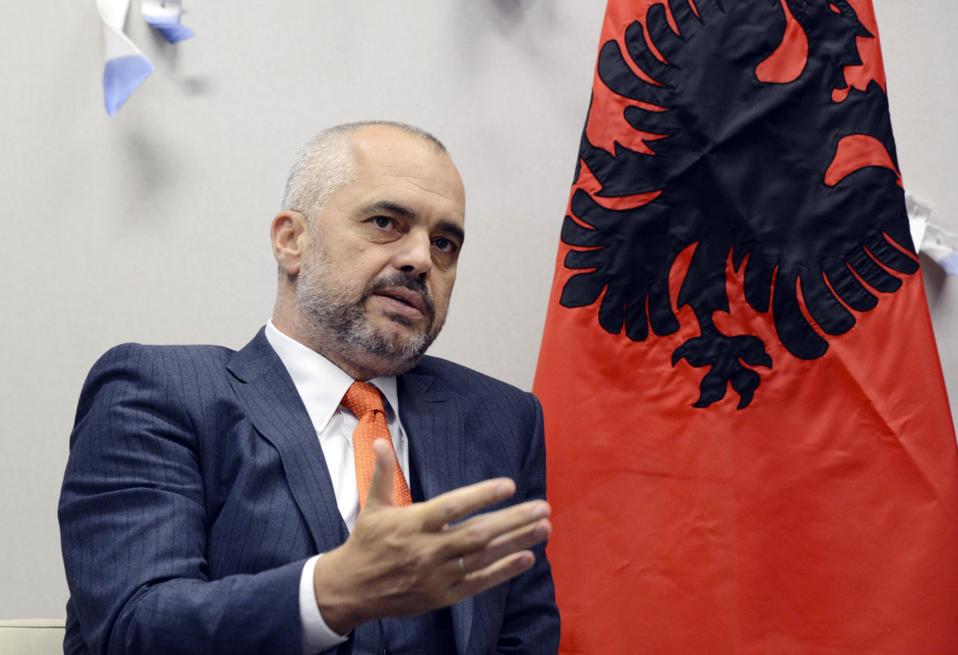
MOSCOW (Sputnik) — Earlier in the week, Albanian Prime Minister Edi Rama made a statement that Albania and the self-proclaimed republic of Kosovo, also inhabited by Albanians, could reach a "union." Soon afterward, President of Kosovo Hashim Thaci said that if Brussels "closed [the] door on Kosovo," all Albanians in the region would unite into one state.

"Pristina and Tirana have clearly said what their goal is, it is a 'Greater Albania' and unification of all Albanians, regardless of where they live, into a single ethnic area. That can only be accomplished through a great Balkan war, and Brussels must be clear on all this," Vulin said, as quoted by the B92 media outlet.

He added that if the European Union did not at least condemn the statements of the Albanian politicians, Brussels would be responsible for possible escalations in the region, as the Albanians could come to understand that their statements would go "unpunished."

The Albanians are one of the Balkan nations constituting majority of population in Albania and Kosovo, and represent significant minorities in neighboring countries such as Serbia, Macedonia and Montenegro. The Greater Albania concept means unification of all Albanians to one state.

Prona dhe mungesa e investimeve të huaja


 Plator Nesturi

Ky shkrim është përgatitur, posaçërisht, për gazetën Albanian Free Press

Ka më se 20 vjet, qysh nga koha kur Shqipëria filloi të linte pas krahëve ndihmat e ndërkombëtarëve për emergjencën e bukës që, herë pas here, zhvillohen tryeza e seminare me investitorë të huaj. Thirrjet e cilitdo kryeministri të radhës, për të investuar në Shqipëri, duke shpallur lehtësirat që u hapen të huajve në tregun vendas, gjithsesi nuk e kanë ndryshuar gjendjen. Investitorët seriozë e shohin, ende, me dylbi këtë cep të Ballkanit. Kësaj drame nuk i ka shpëtuar edhe kryeministri aktual, me gjithë grishjet nëpërmjet nismave mbi lehtësimin e mbështetjen për investitorët e huaj apo duke deklaruar në vizitat në vendet fqinjë se, marrëdhëniet e tregtisë dhe të shkëmbimit, do të njohin rritje dhe se investimet e tyre, mund të rriten në miliarda euro. Investimet e të huajve kanë mbetur vetëm në rangun e privatizimeve në sektorin shtetëror, porse në zhvillimin e iniciativave të tjera të lira, ndërhyrja e kapitalit të huaj është gati e papërfillshme.

Arsyet e kësaj gjendjeje, sipas specialistëve tanë, më së shumti, justifikohen ose dikur prej jo stabilitetit të brendshëm, korrupsionit dhe mangësive në legjislacion për mbrojtjen e interesave të të huajve, ose për faktin se jemi një treg i vogël dhe jo i formatuar. Porse arsyen e vërtetë, na e tha qartë dhe shkoqur, delegacioni i investitorëve gjermanë, disa kohë më parë, ashtu si dhe vetë investitorët e tjerë që kujtohen të hedhin sytë këtej, se ata nuk mund të investojnë në Shqipëri, përderisa nuk është zgjidhur problemi i pronësisë mbi tokën. Vetëm nga deklarata të tilla brusko, mund të kujtohemi se i kemi hyrë rrugës së ekonomisë së tregut me paranojat e mendësisë otomane ku pushteti qendror ishte zot i gjithçkaje dhe shpërndarja e pasurisë dhe tokës, ishte në dëshirë të këtij vullneti.

Ndërkohë, harrohet se ndër obligimet kryesore që ndërkombëtarët kushtëzojnë integrimin e vendit në BE dhe strukturat euroatlantike, përveç zgjedhjeve të lira, drejtësisë funksionale dhe luftës ndaj krimit e korrupsionit, është, në radhë të parë, zgjidhja e problemit të pronësisë mbi tokën. Deri më tani, klasa jonë politike, thjesht, ka fshehur kokën në rërë, duke mos guxuar ta shohë në sy këtë problem, ndërsa për opinionin publik, referenca e kësaj teme të nxehtë, shpërfaqet sa herë banorët përplasen me ndërtuesit për ndonjë fshat turistik me bekim qeveritar në bregdet, atëherë kur kujtohet se fatura e ligjit të legalizimeve për pronat e zaptuara do të paguhet nga qytetarët e ndershëm, apo sa herë ish-pronarët shqiptarë fitojnë çështjen në Gjykatën e Strasburgut.

Ndërsa flasim për të drejtën e pronës si një e drejtë e shkelur, abuzimet mbi të dhe pasojat që ka sjellë kjo gjendje në ecurinë e zhvillimit ekonomik, shpesh, baza e konflikteve ka si zanafillë origjinën e saj. Në të vërtetë, origjina e pronës parë në evoluimin e saj, përbën dhe terrenin ku mbështeten marrëdhëniet e tregut imobilar e më tej në sferën e investimeve mbi të.

Por sa e njohur është, për ne shqiptarët, origjina e pronave? Si pjesë përbërëse e perandorisë osmane, gjithçka, tokat bujqësore, livadhet, pyjet e malet, sipas normës së kohës, kishin një pronar të vetëm: Sulltanin. Sistemi i timareve që u përdor deri në gjysmën e shekullit 19, shpërblente me prona kastën ushtarake, që mblidhnin taksat dhe jepnin një numër të caktuar ushtarësh për në luftë, porse këto prona nuk ishin të trashëgueshme. Pas reformës së Tanzimatit, godina osmane pëson ndryshime të ndjeshme, duke vendosur rregulla më moderne. Në vend të timarlinjve, krahu i zgjatur i perandorisë, bëhen zyrat kadastrale që regjistrojnë gjithçka për të përcaktuar dhe taksat. Ndonëse sulltani ruan të drejtën e pronarit, në këtë kohë nisin dhe marrëdhëniet e ekonomisë së tregut, shitblerjes së pronave etj. Ligji i tokës i vitit 1858, përcaktonte këto marrëdhënie të reja dhe ishte i vlefshëm jo vetëm gjatë ekzistencës së perandorisë, por shërbeu dhe në vitet e para të shtetit të ri shqiptar. Madje mund të thuhet se, nga shpallja e pavarësisë në vitin 1912 dhe deri në 1921-’22, baza ligjore dhe marrëdhëniet e tregut vijuan me inercinë e legjislacionit turk dhe dokumentet, gjithashtu, hartoheshin në gjuhën arabe. Është interesante se kalimi i së drejtës së pronësisë nga perandoria drejt shtetit të ri shqiptar u bë në mënyrë të butë dhe pa trauma të rënda. E pra, kjo nuk mund të thuhet në ditët e sotme, kur ndonëse trashëgojmë të njëjtin shtet, kalimi nga një sistem në tjetrin është përcjellë me kaq pasoja për shqiptarët e të drejtën e pronës së tyre.

Gjatë viteve ’20 dhe periudhës së mbretërisë, autoritetet shqiptare vijuan të njëjtën rrugë për evidentimin dhe regjistrimin e pasurisë shtetërore dhe të personave privatë. Dokumentet e kësaj kohe në arkivat tona, janë shembulli më i mirë i funksionimit te shtetit dhe që paradoksalisht, edhe pas 70 vjetësh, shërbejnë si dokumenti parësor që vërteton pronësinë mbi pronën. Më tej, historia është më e njohur. Instalimi i regjimit komunist, e shoqëruar me shtetëzimet, reformën agrare e më pas kolektivizimin e tokës, dihet se sollën atë deformim të madh, që jo vetëm i zhveshi shqiptarët nga e drejta e pronës, por dhe traumatizoi zhvillimin ekonomik dhe tregun.

Çështja që diskutohet sot, është përse, pas 27 viteve tranzicion, ende nuk gjendet zgjidhje për çështjen e pronës. Për mënyrën si po veprohet, duket se Shqipëria sapo ka dalë nga viti zero, dhe historikun e pronës në të, po e diktojnë abuzuesit me pronën dhe zaptuesit e rinj të tokave rreth qyteteve dhe në bregdet. Problemi që shtrohet është, dhe sa kohë do të vijojmë në këtë rrugë dhe sa do të jetë fatura e humbjes së perspektivës së zhvillimit.

Himara- Albania: Protest and tension at the Court of Vlora District


Citizens from Himara protested today, in front of the Vlora Court, for its decisions against the territory and assets of the Himara Region.

As it has become publicly known, the Albanian government has taken several legal initiatives to change the property titles in Himara Region. Currently, a valuable part of Himara's territory has been handed over to the Oligarchs, which are favored by the Albanian Government Decisions.

In addition to these hostile actions against Himara, today the main role played by Courts and Prosecution, which entitles the state to win every claim on the properties and assets of the Greeks of Himara.

The situation degenerated for months, a conflict between the Greek residents of the Himara Region with the Albanian state, where Greece and the EU have intervened several times. Just a few months ago, the Albanian government had carried out projects to destroy hundreds of homes of indigenous peoples, claiming to develop tourism.

But after a publication of property titles from Albania's Property Registration Offices, for the Himara Region, several hundred Albanian Myslyms, including oligarchs and members of the Albanian mafia, have benefited lands that are the property of the people of Himara.

For this reason, protests and revolt are expected in the coming days in Himara.

Wednesday, April 19, 2017

The EU's Borders And Stability Are At Risk


Albanian Prime Minister Edi Rama (L) speaks with European Union Council president on September 17, 2013 before their meeting at EU headquarters in Brussels. AFP PHOTO /THIERRY CHARLIER (Photo credit should read THIERRY CHARLIER/AFP/Getty Images)

Capital Flows ,   CONTRIBUTOR
Guest commentary curated by Forbes Opinion. Avik Roy, Opinion Editor.

Opinions expressed by Forbes Contributors are their own.

GUEST POST WRITTEN BY

Adam Ereli
Adam Ereli is a former U.S. ambassador to the Kingdom of Bahrain and State Department deputy spokesman.


A recent investigation started by the prosecutor’s office in the city of Durres, Albania indicated that the EU’s borders may not be as safe as we think. According to Italian news reports, over the past year thousands of waste containers were exported from the Gioa-Tauro port of Italy with the destination of Macedonia. Of the 2600 containers that departed, only 1132 have arrived in Macedonia.  While transiting Albania, 1468 containers were buried in 5 cities: Durrësi, Fieri, Vlora, Shkodra and  Dibra.

Last month, CNN Greece cited sources that claimed, “1,300 containers with hazardous waste coming from Italy, entered Albanian territory and since then their whereabouts are unknown.”

As if this weren’t enough, thousands of Albanians have taken to the streets to protest against years of autocracy, corruption and broken promises by the government of Prime Minister Edi Rama.

Mr. Rama campaigned on making his country be environmentally friendly and said that Albania would never become a landfill of European waste. Yet in September 2016, his government voted to approve a law in Parliament for importing and recycling waste from Western countries. Under his leadership, the Council of Ministers in 2016 allowed the transiting of hazardous waste through Albania.

Beyond the environmental damage that he has created, Prime Minister Rama now presides over a criminal enterprise that has transformed Albania into a center for European drug trafficking and organized crime. According to Italy’s chief anti-Mafia prosecutor, Judge Franko Roberti, Albania has vastly expanded its marijuana production, and the level of cooperation between Albanian organized crime and the Italian mafia is growing. “Politicians, courts and police are getting corrupted by drug money in Italy and Albania,” Roberti claimed. Ambassador Brendt Borchardt, of the Organization for Security and Cooperation in Europe (OSCE) in Tirana, recently warned that 2 billion Euros in drug money are being laundered through the Albanian economy and that drug dealer kingpins are pushing to get “their” politicians elected.

The explosion of drug production and corruption would not be possible without the involvement of the current Albanian government. Organized crime bosses have been released from jail on Prime Minister Rama’s watch. The opposition claims that Prime Minister Rama supports known criminals in mayoral elections and is cutting deals with corrupt judges. The parliament of Albania had to pass a decriminalization law tailored specifically to remove the notorious criminals that SP had putted in parliament and as mayors. Added to this cocktail of corruption and crime is an influx of refugees that threatens to destabilize not only Albania, but the Balkans and beyond.

Exploiting this toxic mix is an aggressive and opportunistic Russia, which is using its political, economic and intelligence resources to undermine open, democratic market economies and to drive a wedge between and among Western-oriented allies. Fox example, Prime Minister Rama has had talks with Serbian Prime Minister Aleksandar Vučić for a common economic market between these neighboring countries.

Ο πρόεδρος Κοσσυφοπεδίου υπέρ των δηλώσεων Έντι Ράμα για Ένωση


Ο Θάτσι υπέρ των δηλώσεων του Έντι Ράμα, ενώ ο πρωθυπουργός του Κοσσυφοπεδίου, Μουσταφά,  χαρακτήρισε τις δηλώσεις του Ράμα ως "λαϊκίστικες".

Απρίλιος 19, 2017. Echedoros


«Εάν η Ευρωπαϊκή Ένωση κλείσει τη θύρα στο Κοσσυφοπέδιο, στη συνέχεια, όλοι οι Αλβανοί στην περιοχή θα ζήσουν σε έναν ενιαίο χώρο», δήλωσε στο «Radio Evropa e Lirë» (Ράδιο Ελεύθερη Ευρώπη),  ο πρόεδρος του Κοσσυφοπεδίου, Χασίμ Θάτσι.

Η αντίδρασή του προήλθε μετά τις δηλώσεις του πρωθυπουργού της Αλβανίας, Έντι Ράμα, ο οποίος είπε ότι η ενοποίηση του Κοσσυφοπεδίου με την Αλβανία  δεν μπορεί να αποκλεισθεί, εάν οι προοπτικές της ΕΕ για τα Βαλκάνια παρουσιάσουν κάμψη.

«Η Ευρωπαϊκή Ένωση, προς το παρόν τόσο για το Κοσσυφοπέδιο όσο και τα Δυτικά Βαλκάνια δεν έχει όραμα για την ένταξή τους ούτε προθέσεις να επεκταθεί με τη συμμετοχή των χωρών των Δυτικών Βαλκανίων», είπε ο Θάτσι.

« Φυσικά, από το 2013 το έχω πει, και το λέω και τώρα, εάν η Ευρωπαϊκή Ένωση κλείσει τη θύρα στο Κοσσυφοπέδιο, οι Αλβανοί της περιοχής θα ζήσουν σε έναν ενιαίο χώρο και στη συνέχεια θα ενσωματωθούν στην ευρωπαϊκή οικογένεια», πρόσθεσε.

Σε αντίθεση με τον Θάτσι, ο πρωθυπουργός του Κοσσυφοπεδίου, Ίσα Μουσταφά, χαρακτήρισε ως λαϊκίστικες (populiste) τις δηλώσεις του ομολόγου του από τα  Τίρανα, Έντι Ράμα.

Σε συνέντευξή του στο κανάλι «KTV» δήλωσε ότι το Κοσσυφοπέδιο έχει δεν έχει στόχο μια άλλη ένωση εκτός της ΕΕ. Είπε χαρακτηριστικά: «εάν δεν μας δεχθούν από την πόρτα θα μπούμε από το …παράθυρο».


(gymandhealth.co.uk)

"If we said we'd form union with RS - what would you say?"

(Tanjug, file)
Edi Rama's statement about a union between Albania and Kosovo again confirms that creation of a Greater Albania is a common platform of all ethnic Albanians.

SOURCE: B92 WEDNESDAY, APRIL 19, 2017

Serbian First Deputy PM and Foreign Minister Ivica Dacic said this late on Tuesday in reaction to the Albanian prime minister's interview given to the website Politico, during which he "could not rule out a union between Kosovo and Albania" if prospects of EU membership fade.

Dacic also said that this "common platform" represents the biggest threat to peace and stability in the Balkans and Europe.

"I ask the international community - what would happen if (Serbian PM Aleksandar) Vucic said that unification of Serbia and the Serb Republic (RS) was possible if we don't join the EU? I'm sure everyone would react and accuse Serbia of being a threat to peace," Dacic said.

"That's why I'm asking the EU, the US, Great Britain and others, how long do you plan to keep silent while Serbia is being threatened by someone? Or is silence a sign of approval?," Dacic asked.

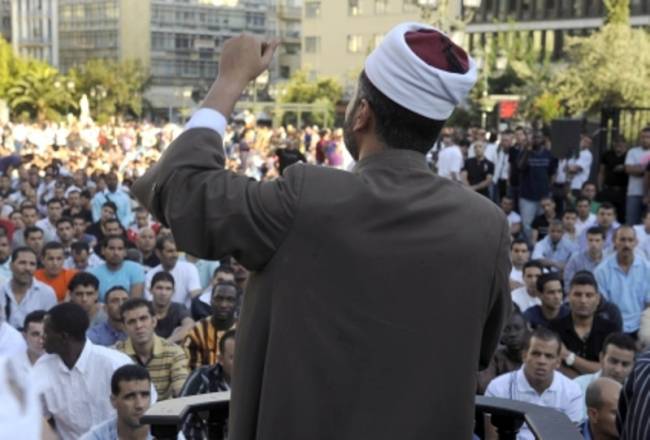
In Ottoman Traditions? Why Muslims in Serbia, Bosnia, Albania Hail Erdogan's Victory

 Turkish President Tayyip Erdogan addresses his supporters upon his arrival at Esenboga Airport in Ankara, Turkey, April 17, 2017.

"We should also expect greetings coming from Kosovo, Albania and western Macedonia. There is no doubt that Erdogan considers the Albanians his key allies and partners in strengthening Turkish strategic presence in the region," Trifkovic concluded.

© REUTERS/ Yasin Bulbul
POLITICS
12:59 19.04.2017

SputniNews

Turkish leader Recep Tayyip Erdogan's declaration of victory in Sunday's constitutional referendum to expand his presidential authority has been hailed by the Muslim communities in Serbia and neighboring Bosnia and Herzegovina. Political analysts and diplomats explained to Sputnik Serbia what they now expect from the Turkish leader.


On Sunday, President Tayyip Erdogan declared victory in a referendum to replace Turkey's parliamentary system with an all-powerful presidency and abolish the office of prime minister.
His victory has been hailed in Sarajevo, the capital of Bosnia and Herzegovina, one of the successor states of the former Yugoslavia.
The Turkish leader was congratulated by Bosnian politician Bakir Izetbegović, the Bosniak member of the tripartite Presidency of Bosnia and Herzegovina and President of the Party of Democratic Action.

The results of the vote have been also hailed by Sulejman Ugljanin, the first and current president of the Bosniac National Council, a representative body of the Bosniak national minority in Serbia, who said that "any Erdogan's success is the success of Bosniaks of Sandžak" (Serbia's region, former Ottoman administrative district).

Sputnik Serbia discussed the issue with Serbian-American political analyst Srdja Trifkovic, who explained that since the very start of his political career, Erdogan has been supporting those in the Balkans whom he considered continuators of the so-called "Ottoman tradition."

It is also worth reminding that the Turkish leader earlier claimed that Bosnian politician Alija Izetbegović, the first President of the Republic of Bosnia and Herzegovina, who died in 2003, once said that he had "left Bosnia to Erdogan to take care of."

"The Muslims in Serbia and Bosnia do have reasons to welcome Erdogan's victory. They hope that after the referendum he will be more active in pursuing Turkish ambitions in the Balkans. I also think this will be the case as Erdogan is no longer bound with any obligations to the EU and the US. Their relations have soured after the failed coup attempt," the political analyst said.


He also suggested that there might be continuation of what is being called a "NeoOttoman strategy of Ankara", which is being pursued in three directions: Caucasian, Middle Eastern and  the Balkan.
"We should also expect greetings coming from Kosovo, Albania and western Macedonia. There is no doubt that Erdogan considers the Albanians his key allies and partners in strengthening Turkish strategic presence in the region," Trifkovic concluded.

Former Serbian diplomat Srecko Djukic however has a different point of view. He told Sputnik Serbia that Erdogan will most likely deal with his national issues first.

"I think we should wait and see whether Turkey will have enough power to get closer with the Balkan countries. Turkey is likely to face lots of challenges as its economic situation is different now. And I don't think that Ankara will expand its presence in the Balkans in the nearest future," he suggested.

Οι μουσουλμάνοι της Θράκης, βλέπουν την προοπτική τους στην ευρωπαϊκή Ελλάδα, και όχι μετά την Ερντογάν δημοψήφισμα


Mουσουλμάνοι της Θράκης για δημοψήφισμα: «Εμείς ζούμε σε ευρωπαϊκή χώρα»

Η μόνη περιοχή που στην Ελλάδα «βγήκε» μπροστά το «ναι» στο τουρκικό δημοψήφισμα ήταν η Κομοτηνή. Η κάμερα του ΑΝΤ1 βρέθηκε στη Θράκη και κατέγραψε τις αντιδράσεις της μουσουλμανικής μειονότητας.

Οι Μουσουλμάνοι της Θράκης μένουν μακριά από τις φιέστες του Τούρκου Προέδρου, Ρετζέπ Ταγίπ Ερντογάν. Για εκείνους οι αλλαγές που έχει στο πίσω μέρος του κεφαλιού του ο Ερντογάν, κάθε άλλο θα επηρεάσουν την καθημερινή τους ζωή.

«Η νίκη του Ερντογάν είχε φανεί, αλλά δεν πρέπει να μας αγγίζει εμάς εδώ στη μειονότητα», δήλωσε χαρακτηριστικά στην κάμερα του ΑΝΤ1 Μουσουλμάνος κάτοικος της Θράκης και συμπληρώνει: «Δεν θα αλλάξει κάτι. Εμείς ανήκουμε σε μία άλλη χώρα με ευρωπαϊκούς θεσμούς, δεν έχουμε καμία σχέση με αυτούς».
  Pentapostagma

Socialist Party of Prime Minister of Albania Edi Rama, lobbies with people close to Trump

Image result for edi rama, usa

Although the opposition accused the government of Rama, for that it has created an economy of drug money, than  they will be used not only for elections, but also to lobby at the potency persons near of the President Trump.

This system, have used by all governments in Albania, to obtain support from the USA. According to US media, tow years ago, Rama had privately paid 80 thousand dollars, to meet with Obama.

“Ballard Partners”, a US firm tied to US President Donald Trump, has registered a second foreign government as their client.

“The Socialist Party of Albania is requesting the services of this Florida company for consultation and assistance with the US administration”, say the documents filed at the US Department of Justice. The 1-year-long agreement foresees payments of 20.000 USD a month.

The Albanian Parliament is preparing to vote the new President, a process which might take five rounds. On the other hand, there is a political crisis with the Albanian opposition refusing to be part of the elections.

In this situation, an American company is being contracted for matters that need to be addressed, such as increasing the US-Albanian relations, reinforcing the democratic institutions and rule of law, promoting the Judiciary Reform, implementing the bilateral efforts about military cooperation and fight against terrorism, and advancing with initiatives which help Albania’s integrity in the Euro-Atlantic Structures.

The founder of this firm, Brian Ballard, lobbied for Trump at the Florida legislature. He has served as Finance Chief for Trump during his campaign, and was an important element for collecting funds about the presidential oath taking ceremony.

Ballard Partners has recently opened an office in Washington. Trump has established strict rules against former officials who lobby for foreign governments. In his first week at the Oval Office, he signed an executive order on this topic, but it doesn’t apply for people who have worked with him during the electoral campaign and for the transition period.


Στο Σαραντάπορο Ελασσόνας συνετρίβη το «αρχαίο» UH-1H του ΕΣ της Αεροπορίας Στρατού - Κανένα ίχνος επιζώντων


 του Θεόφραστου Ανδρεόπουλου

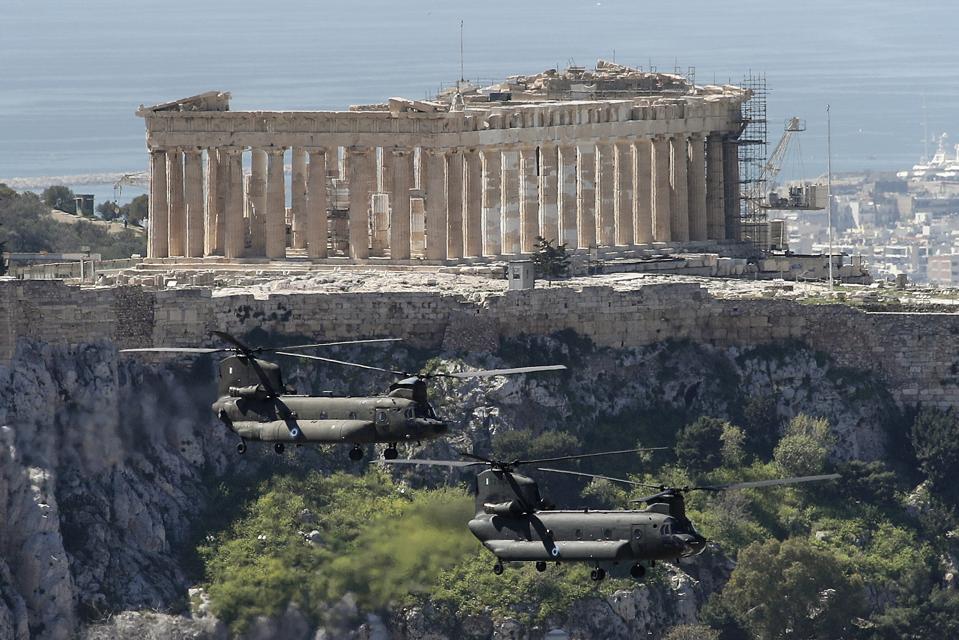
Στο Σαραντάπορο της Ελασσόνας εντοπίστηκαν τα συντρίμμια από το μεταφορικό ελικόπτερο UH-1H που το πρωί σήμερα χάθηκε από τα ραντάρ, ενώ εκτελούσε πτήση στην περιοχή της Κοζάνης με κατεύθυνση νότια. Δεν υπάρχει κάποιο στοιχείο για επιζώντες.

Τις πρώτες πρωινές ώρες της Τετάρτης (19.04.2017) χάθηκε από τα ραντάρ με πέντε επιβαίνοντες ενώ εκτελούσε πτήση από τη Λάρισα στην Κοζάνη.

Όπως αναφέρει ανακοίνωση του ΓΕΣ, το ίχνος του ελικόπτερου Χιούι (UH-1H) χάθηκε στις 07:50 το πρωί.

Στρατιωτικό ελικόπτερο του ίδιου τύπου (UH-1H) είχε καταπέσει το Φεβρουάριο του 2006 στην Καρυώτισσα Πέλλας με αποτέλεσμα το θάνατο των τεσσάρων μελών του πληρώματος.Μήπως λοιπον τα ελικόπτερα αυτά παραείναι πλέον επικίνδυνα,για την ασφάλεια των παλλικαριών,και πρέπει να αποσυρθούν άμεσα.

Το Διοικητικό Εφετείο Θεσσαλονίκης δικαίωσε τις οικογένειες δύο χειριστών ελικοπτέρου της Αεροπορίας Στρατού που έχασαν τη ζωή τους κατά τη συντριβή του στρατιωτικού ελικοπτέρου τύπου Χιούϊ (UH-1H) ΕΣ 622 της Αεροπορίας Στρατού που συνετρίβη τον Φεβρουάριο 2006 στην Αλεξάνδρεια Ημαθίας κατά τη διάρκεια νυκτερινής εκπαιδευτικής πτήσης.

Οι άτυχοι πιλότοι είχαν εγκλωβιστεί σε περιοχή με πυκνή ομίχλη με αποτέλεσμα το ελικόπτερο να συντριβεί στην προσπάθειά του να εκτελέσει αναγκαστική προσγείωση σε λοφώδη περιοχή.

Στις αγωγές εντοπίστηκαν μεταξύ άλλων παραβιάσεις κανονισμών κατά την οργάνωση και εκτέλεση των εκπαιδευτικών πτήσεων και έλλειψη επαρκούς εποπτείας ασφάλειας νυκτερινών πτήσεων.

Μετά από μακρά και σκληρή δίκη κατά τη διάρκεια της οποίας απαιτήθηκε εκτεταμένη τεχνική διερεύνηση και εξέταση της υπόθεσης σε βάθος, το Εφετείο Θεσσαλονίκης δικαίωσε τις οικογένειες των δύο πιλότων, έκρινε υπεύθυνο για το ατύχημα το Υπουργείο Εθνικής Άμυνας και επιδίκασε σημαντικά ποσά χρηματικής ικανοποίησης λόγω ψυχικής οδύνης στις οικογένειες των δύο αδικοχαμένων στρατιωτικών.

Tuesday, April 18, 2017

Albanian PM won't rule out "union" with Kosovo

(Getty Images, illustration purposes, file)
Albanian Prime Minister Edi Rama says that "a union between Albania and Kosovo" cannot be ruled out if EU membership prospects for the Western Balkans fade.

SOURCE: B92 TUESDAY, APRIL 18, 2017

Asked about by Politico whether "he would take a union with Kosovo off the table," Rama replied:

“No, because the only way to keep the Balkans in this peaceful and cooperative mode is to keep the path to the EU open, to keep the perspective clear, to keep emotions about the EU positive. No one would like to turn (in) on themselves and look for smaller unions, everyone would like to unite in the big union. But if there’s no hope, no perspective, no space, then, of course, little unions may happen.”

Europe would face a nightmare if the Balkans “go crazy” because EU accession is off the agenda, Rama said, in an interview published under the headline "Albanian prime minister: EU faces ‘nightmare’ if Balkan hopes fade."

According to him, the region would become “a gray zone in which other actors have more influence than the EU.”

The whole of Europe would be destabilized if the EU gave up on its enlargement policy, Rama warned.

“There is a lack of understanding, or a lack of vision in not realizing that this region needs Europe, but Europe needs this region too, for a secure and safe Europe. How can the union be secure and safe if the Balkans will go crazy? How can the European Union allow at its own heart a gray zone where other actors can have a larger influence than the EU itself? This is nonsense in terms of security, in terms of safety," he said.

Despite tensions in the region, including relations between Belgrade and Pristina, the alleged coup attempt in Montenegro, the Serb Republic's referendum threats, and the crisis in Macedonia, Rama "does not see a new war in the region as a first scenario" - but calming tensions “very much depends on the EU and the US."

However, the Albanian prime minister said there has been initiatives for regional leaders to work together, and that this is partly thanks to the EU.

"Today in Europe, you have a generation that didn’t see any war. We are a generation (in the Balkans), we saw wars, we get the point. I visited Belgrade 68 years after the last visit of an Albanian prime minister to Belgrade. My colleague (Serbian Prime Minister Aleksandar Vucic) came here (for the) first time ever. Just to show you how much things have moved in the right direction because of this European spell. But if this European spell will fade away, believe me, things might turn really wrong," Rama said.

Ίβιτσα Ντάτσιτς: Μεγάλη Αλβανία- η μεγαλύτερη απειλή για την ειρήνη στα Βαλκάνια


Echedoros

«Αναρωτιέμαι, η ΕΕ, οι ΗΠΑ, η Βρετανία και άλλοι, πόσο καιρό θα παραμείνουν σιωπηλοί όταν κάποιος απειλεί τη Σερβία; Ή μήπως η σιωπή τους αποτελεί έγκριση;» αναφέρει σε γραπτή δήλωσή του ο επικεφαλής της σερβικής διπλωματίας, Ίβιτσα Ντάτσιτς, σημειώνει το δημοσίευμα της σερβικής ραδιοτηλεόρασης  (rts.rs)


Απρίλιος 19, 2017. 07:32

Η δήλωση του πρωθυπουργού της Αλβανίας, Έντι Ράμα, για την ενοποίηση της Αλβανίας και του Κοσσυφοπεδίου, είναι άλλη μια επιβεβαίωση ότι η δημιουργία της Μεγάλης Αλβανίας είναι κοινή

πλατφόρμα όλων των Αλβανών, η οποία αποτελεί τη μεγαλύτερη απειλή για την ειρήνη και τη σταθερότητα στα Βαλκάνια και την Ευρώπη, δήλωσε σήμερα ο πρώτος αναπληρωτής πρωθυπουργός και υπουργός Εξωτερικών, Ίβιτσα Ντάτσιτς.

«Ζητώ (να μάθω) από τη διεθνή κοινότητα τι θα έκανε εάν ο (Αλεξαντάρ) Βούτσιτς είχε πει για ενδεχόμενη ενοποίηση της Σερβίας και της Σερβικής Δημοκρατίας (της Βοσνίας) εάν δεν μπούμε στην ΕΕ; Είμαι βέβαιος ότι όσοι θα το άκουγαν θα κατηγορούσαν τη Σερβία για απειλή στην ειρήνη», δήλωσε ο Ντάτσιτς, αναφέρει το σερβικό πρακτορείο Tanjug.


Η είδηση πέρασε στα αλβανικά μέσα ενημέρωσης, όπως το «sot.com.al» το οποίο αναφέρει ότι ο Ντάτσιτς επέκρινε την Ευρωπαϊκή Ένωση, τις Ηνωμένες Πολιτείες και τη Βρετανία που δεν καταδίκασαν τις δηλώσεις του Έντι Ράμα.

 Οι δηλώσεις του Ντάτσιτς στα αλβανικά ΜΜΕ «Η Σερβία αντιδρά στις δηλώσεις ‘βόμβα’ του Ράμα»

Sputnik: Νέα Βαλκανική Κρίση- Η Δύση ανταμείβει τους Αλβανούς


Απρίλιος 18, 2016

Echedoros

Το ρωσικό Sputnik παρουσιάζει την κατάσταση που έχει διαμορφωθεί στα δυτικά Βαλκάνια με τον τίτλο Νέα Βαλκανική Κρίση.

Δίδει ιδιαίτερη προσοχή στο πολιτικό σκηνικό των Σκοπίων,  καθώς και στις φιλοδοξίες των Αλβανών, να αποσπάσουν τμήματα από πέντε γειτονικές χώρες για το σχηματισμό της λεγόμενης Μεγάλης Αλβανίας, μια παράμετρος που την εκλαμβάνει ως ανταμοιβή της Δύσης προς τους Αλβανούς που δεν θέλουν τον ρωσικό παράγοντα στην περιοχή.

Ο Αλεξαντάρ Μιτόφσκι - διευθυντής του Κέντρου για την Έρευνα και Ανάλυση στα Σκόπια,  δηλώνει ότι η Δύση χειρίζεται το κράτος των Σκοπίων περισσότερο από δύο δεκαετίες.

«Τα Σκόπια ήταν πάντοτε δουλοπρεπή και δουλικά προς τη Δύση. Ας θυμηθούμε τις διαδηλώσεις, όταν οι αρχές επέτρεψαν τα αεροσκάφη του ΝΑΤΟ να χρησιμοποιήσουν τις αεροπορικές μας βάσεις και τα πεδία για να βομβαρδίσουν τη Γιουγκοσλαβία».

 Πρόσθεσε ακόμη: «Γνωρίζουν στη Δύση ότι η εθνοτική σύγκρουση είναι το ευαίσθητο σημείο των Σκοπίων που μπορούν να ωθήσουν ανά πάσα στιγμή και να πάρουν οι Δυτικοί αυτό που θέλουν. Αυτό ακριβώς συμβαίνει αυτή τη στιγμή», είπε.

Επίσης, σχολιάζοντας την κατάσταση που επικρατεί στα Σκόπια, ο Αλεξαντάρ Γκάιτς, πολιτικός αναλυτής στο Ινστιτούτο Ευρωπαϊκών Σπουδών στο Βελιγράδι, δήλωσε στο Sputnik, ότι τα Σκόπια ως ενιαίο, ανεξάρτητο και κυρίαρχο κράτος, απλά αγοράζει χρόνο από τη Δύση, η οποία τώρα θέλει, όχι τόσο να τιμωρήσει τα Σκόπια για την ανυπακοή τους, αλλά να ανταμείψει τους πιστούς συμμάχους τους, τους Αλβανούς.

«Είναι σαφές ότι οι Αλβανοί θέλουν να επανεξετάσουν τα σύνορα των κρατών της περιοχής, ξεκινώντας με το διαχωρισμό του Κοσσυφοπεδίου και τα Μετόχια, στη συνέχεια, να δημιουργήσουν την Ιλλυρίδα στο έδαφος των Σκοπίων και την Τσαμουριά στην Ελλάδα, στη συνέχεια να προσαρτήσουν μέρος του Μαυροβουνίου, όπου  έχουν επίσης εδαφικές διεκδικήσεις», είπε ο Γκάιτς στο Sputnik.

Χαρακτήρισε, ωστόσο, τα Σκόπια ως θύμα, που θυσιάζεται για χάρη μεγαλύτερων  στρατηγικών σκοπών.

Το δημοσίευμα σημειώνει ακόμη ότι η ένταξη των Σκοπίων στην Ευρωατλαντική Συμμαχία έχει εμποδιστεί από την Ελλάδα λόγω παρατυπίας της ονομασίας τους. (Η Ελλάδα) επικαλούμενη ιστορικές και εδαφικές ανησυχίες που προκύπτουν από την ασάφεια μεταξύ των Σκοπίων και της παρακείμενης ελληνικής περιφέρειας της Μακεδονίας καθώς και ο αρχαίο ελληνικό βασίλειο των Μακεδόνων, που εμπίπτει κατά κύριο λόγο στην ελληνική Μακεδονία, η Ελλάδα αντιτίθεται στη χρήση του ονόματος «Μακεδονία» από τα Σκόπια, χωρίς γεωγραφικό προσδιορισμό, όπως «Βόρεια Μακεδονία».

Εξαιτίας αυτού, το  επίσημο όνομα των Σκοπίων είναι πΓΔΜ, μια σύντμηση της Πρώην Γιουγκοσλαβικής Δημοκρατίας της Μακεδονίας, όπως σημειώνεται.


Πληροφορίες: MSAnalysis, Sputnik.com

Πολιτικό χάος στην Αλβανία λόγω ...κάνναβης

Πολιτικό χάος στην Αλβανία λόγω...κάνναβης

Η Αλβανία ζει μια ανελέητη σύγκρουση κυβέρνησης και αντιπολίτευσης με αφορμή τις παράνομες φυτείες κάνναβης. Σε αυτό το εκρηκτικό κλίμα επισκέφθηκε χθες τα Τίρανα ο γερμανός υπουργός Εξωτερικών Ζίγκμαρ Γκάμπριελ.

Εδώ και δύο μήνες, στο κέντρο των Τιράνων, το αντιπολιτευτικό Δημοκρατικό Κόμμα (PD) έχει στήσει πρόχειρο καταυλισμό απέναντι από την έδρα του σοσιαλιστή πρωθυπουργού Έντι Ράμα ζητώντας την παραίτησή του και τον σχηματισμό κυβέρνησης εθνικής ενότητας, η οποία να δρομολογήσει άμεσα δίκαιες και ελεύθερες εκλογές. Επειδή όμως οι κινητοποιήσεις της αξιωματικής αντιπολίτευσης δεν έχουν τα επιθυμητά αποτέλεσμα, το PD προτίθεται να απόσχει, τόσο από τις αυριανές προεδρικές εκλογές, όσο και από τις βουλευτικές εκλογές τον Ιούνιο. Ο πρόεδρος του Δημοκρατικού Κόμματος Λιουλεζίμ Μπάσια κατηγορεί μάλιστα ανοιχτά τον πρωθυπουργό για «διαφθορά» και «κατάχρηση εξουσίας», αλλά και ως «αρχηγό εγκληματικής σπείρας».

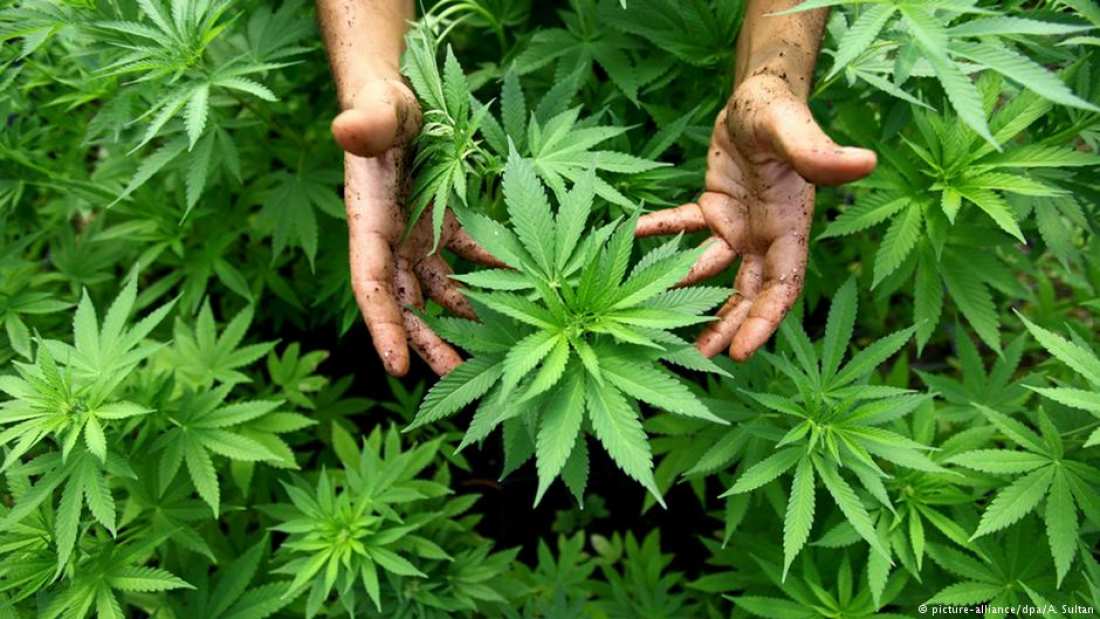
Αφορμή για την αντιπαράθεση μεταξύ των δύο κομμάτων είναι οι παράνομες φυτείες κάνναβης στην Αλβανία, που θεωρούνται με διαφορά οι μεγαλύτερες στην Ευρώπη. Γεγονός είναι πάντως ότι παρά τα όποια κυβερνητικά μέτρα, η καλλιέργεια έχει αυξηθεί σημαντικά τα τελευταία χρόνια.
Σε αυτό το εκρηκτικό πολιτικό κλίμα επισκέφθηκε χθες τα Τίρανα ο γερμανός υπουργός Εξωτερικών Ζίγκμαρ Γκάμπριελ. Στόχος της περιοδείας του στην ευρύτερη περιοχή είναι να διαβεβαιώσει το Κοσσυφοπέδιο, τη Βοσνία-Ερζεγοβίνη και την Αλβανία ότι η Γερμανία «κρατά ανοιχτή την πόρτα της ΕΕ στις χώρες των δυτικών Βαλκανίων».

Έσοδα δις από τις παράνομες φυτείες

Η πολιτική κατάσταση στην Αλβανία ένα 24ωρο πριν τις προεδρικές εκλογές και δύο μήνες πριν τις βουλευτικές χαρακτηρίζεται από πολλούς ως χαώδης. Η αξιωματική αντιπολίτευση κατηγορεί τους σοσιαλιστές του πρωθυπουργού Ράμα ότι παίρνουν προμήθειες από το παράνομο σύστημα καλλιέργειας κάνναβης, στο οποίο συμμετέχουν διεφθαρμένοι τοπικοί άρχοντες, αστυνομικοί και δικαστικοί, και ότι προσπαθούν να φιμώσουν τη φωνή του Δημοκρατικού Κόμματος. Από την πλευρά της ωστόσο η κυβέρνηση υποστηρίζει ότι μόνο το 2016 κατέστρεψε 2 εκ. δενδρύλλια κάνναβης.

Οι παράνομες φυτείες στην Αλβανία προσέλκυσαν το 2014 ακόμα και το ενδιαφέρον διεθνών μέσων ενημέρωσης, όταν σε επιχείρηση 800 αστυνομικών κατά των καλλιεργειών οι κάτοικοι της νότιας Αλβανίας προέβαλαν σθεναρή αντίσταση με αυτόματα όπλα. Η αλήθεια είναι πάντως ότι η κατάσταση στις περιοχές των φυτειών παραμένει εκτός ελέγχου. Άγνωστο είναι πώς και αν με τα δις που προκύπτουν από το εμπόρ

Ο πρόεδρος του Δημοκρατικού Κόμματος Λιουλεζίμ Μπάσια είναι ωστόσο πεπεισμένος ότι ο πρωθυπουργός Έντι Ράμα είναι «αρχηγός ενόπλων, που κρατούν σε ομηρία την Αλβανία». Πολιτικοί παρατηρητές στο εσωτερικό και το εξωτερικό δεν είναι σε θέση να εξηγήσουν τους λόγους για τους οποίους η αξιωματική αντιπολίτευση επιλέγει τόσο υψηλούς τόνους. Λέγεται ότι μετά την περσινή αποτυχία της στις τοπικές εκλογές στο νομό Ντίμπρα, φοβάται μην υποστεί και νέα ήττα στις επερχόμενες βουλευτικές εκλογές στα μέσα Ιουνίου.

Deutsche Welle / Dpa / Στέφανος Γεωργακόπουλος

Marine Le Pen vs. the World

Marine Le Pen vs. the World

CARTOONS
16:55 18.04.2017

The current presidential race in France has been vivid so far, spiced with scandals concerning almost every candidate. There have been attacks on the hopefuls, too, with the most recent one involving a stripping, flower-wielding Femen activist.

Marine Le Pen vs. the World
On Monday, a woman rushed on stage during Marine Le Pen's campaign rally the Zenith arena in Paris. The woman held in her hand a bouquet of flowers. As soon as she reached Le Pen, the activist started stripping, but the security services promptly escorted her from the stage.

Meanwhile, scuffles between protesters and police broke out outside the Zenith arena. It was reported that dozens of hooded youths threw smoke bombs at police cordons protecting the venue, prompting them to fire tear gas at the crowds.

Le Pen's party, National Front (FN), has been labeled "far-right" and though the party has never formally held much power in the French legislature, it has exerted pressure on the French political landscape for decades. Le Pen has sparked controversy for being nationalistic, opposed to immigration, and advocating beggar-thy-neighbor protectionist economic policies.

Earlier in April, French investigators asked the European Parliament to waive Le Pen's parliamentary immunity over the probe concerning fraudulent jobs of her party assistants.

New Balkan Crisis: How West 'Rewards Albanians for Servility of Macedonians'

Macedonian Army honor guard officers change the national flags during a special ceremony in front of the government building in Macedonia's capital Skopje, Friday, Aug. 9, 2013

"It is clear that the Albanians want to re-consider the borders of the states in the region, starting with the separation of Kosovo and Metohija, then creating Ilirida on the territory of Macedonia and Chameria in Greece, and then annexing part of Montenegro where they also have territorial claims," he told Sputnik.

© AP Photo/ Boris Grdanoski
EUROPE
15:33 18.04.2017
Sputnik

Macedonia, one of the successor states of the former Yugoslavia, has been marred by a long-running political crisis, which has once again raised ethnic tensions between Macedonians and ethnic Albanians. Political analysts interviewed by Sputnik Serbia examine the crisis and explain how it has long been manipulated by the West.

Macedonia has been marred by a political crisis for two years now, and there seems to be no light at the end of the tunnel. The situation deteriorated on March 1 when President Gjorge Ivanov, who was elected head of state as VMRO-DPMNE’s candidate, refused to grant Social Democratic Union of Macedonia (SDSM) leader Zoran Zaev the mandate to form a government, despite the opposition leader having secured a majority in parliament with ethnic Albanian parties.

Supporters of the right-wing VMRO-DPMNE party then took to the streets bearing cardboard shields, painted in the national colors, red and yellow, to display dislike for the Social Democratic Union of Macedonia (SDSM)-led coalition government.

Sputnik Serbia took a closer look at the crisis and interviewed a number of political analysts who described how the country has been the victim of Western manipulation.

Macedonia is the only country which peacefully seceded from Yugoslavia through a referendum of 1991, when the rest of the post-Yugoslavian space was engulfed by violence and was drowning in bloodshed.

The West, which had been working hard to split Yugoslavia, has ever since held up Macedonia to the rest of the world as an example of a peaceful solution to a political crisis.


The authorities in the Macedonian capital of Skopje then vowed to participate in the processes of Euro-Atlantic integration, much to the applause of the West, which granted the country the status of NATO aspiring member state back in 1999.

Macedonia however has been prevented from joining the alliance by Greece, over a naming irregularity. Citing historical and territorial concerns resulting from the ambiguity between the Republic of Macedonia, the adjacent Greek region of Macedonia and the ancient Greek kingdom of Macedon which falls mostly within Greek Macedonia, Greece opposes the use of the name "Macedonia" by the Republic of Macedonia without a geographical qualifier such as "Northern Macedonia."

Macedonia's official name therefore is the Former Yugoslav Republic of Macedonia (sometimes abbreviated as FYROM and FYR Macedonia).

In 2001, the country was marred by an armed conflict with Albanian separatists, which ended with the Ohrid Framework Agreement, granting the Albanian minority greater rights than usually given to minorities.

Skopje signed the agreement under the soft pressure of the West in exchange for the status of an EU candidate member state.


It expected Brussels to find a solution to the Greek veto, however the international community seems to have had a change of heart.

Back in May 2015, the issue of ethnic tensions within Macedonia gained global headlines once again, after eight police officers and 14 others were killed during a two-day shootout between police and an armed paramilitary group of ethnic Albanians in the northern city of Kumanovo.

The events might have sobered the Macedonians, who understood that their authorities were no longer favored by the West. At that particular moment a new opposition figure appeared on the arena, namely Zoran Zaev, and the Albanian factor intensified.

(FILES) This file photo taken on December 04, 2016 shows the leader of the main Macedonian opposition Social Democrats Zoran Zaev delivering a speech during a pre election rally in Skopje on
With the success of 2001 in mind, the Albanian minority is now demanding a confederation, basically a change of the state structure of Macedonia, which currently remains a unitary state.

The crisis deteriorated after Skopje refused to impose sanctions on Moscow. In April 2016, the country was engulfed in protests against the incumbent President  Gjorge Ivanov and the government led by the interim Prime Minister Emil Dimitriev from the ruling VMRO-DPMNE party.


Referred to by some as the "Colored Revolution,", the protests began after a controversial decision by the President to halt an investigation into former Prime Minister Nikola Gruevski and dozens of politicians who were allegedly involved in a wiretapping scandal.

The demonstrations were organized by "Protestiram" (I protest) and supported by a coalition led by the Social Democratic Union of Macedonia, and other opposition parties.


The December parliamentary elections, which were originally planned for April 24 and later June 5, were called as part of an agreement brokered by the European Union to end the protests against the government of Nikola Gruevski. The ruling VMRO-DPMNE maintained a small majority, however Zoran Zaev formed a coalition with ethnic Albanian parties and secured a majority in parliament.

He is now insisting on a mandate to form the government and has put forward the so-called "Albanian Platform", (or "Tirana Platform", after Tirana, Albania, where it was put together) a set of Albanian conditions for their participation in any new Macedonian government.


The Albanian Platform, according to the local media, could lead to a "series of moves that divide Macedonia on ethnic lines, into cantons or federal units."

People protest in front of the Parliament building in Skopje, Macedonia, on Tuesday, March 21, 2017. Tens of thousands of demonstrators gathered in Macedonia's capital, Skopje, Tuesday to protest a visit by a European Union envoy who is trying to break the political deadlock that has left the country without a government for three months

Macedonia's President, Gjorge Ivanov, has refused to grant the mandate, claiming acceptance of the Albanian Platform endangers Macedonia's existence.
Commenting on the situation in the country, Aleksandar Gajic, political analyst at the Institute of European Studies in Belgrade told Sputnik that Macedonia, in its current unitary, independent and sovereign state, might have been only buying time from the West, which now wants not so much to punish Skopje for its disobedience as to reward their faithful ally, the Albanians.

"It is clear that the Albanians want to re-consider the borders of the states in the region, starting with the separation of Kosovo and Metohija, then creating Ilirida on the territory of Macedonia and Chameria in Greece, and then annexing part of Montenegro where they also have territorial claims," he told Sputnik.

He also called Macedonia a victim, which is being sacrificed for the sake of greater strategic purposes.

"Macedonia has fallen out of favor after it tried to defend its territorial integrity and constitutional order and after its attempts to strengthen its economic and political relations by supporting some geopolitical processes. I'm talking primarily about the construction of a gas pipeline within the Turkish Stream project and further cooperation with other Slavic nations in the Balkans," he said.

He also suggested that the EU and the US in many ways are trying to support the claims of Albanians for the remodeling of Macedonia and turning it into a binational state, which could be easily separated at any moment and re-named for the sake of further Euro-integration.


"However, it won't be the state of the Macedonians any longer but an entity, one part of which will under the rule of the Albanians and the other – under those who obey the West against the will of the Macedonian people," he stated.

Aleksandar Mitovski, Director of the Center for Research and Analysis in Skopje also agrees that the West has been manipulating Macedonia for more than two decades now.


He reminded Sputnik that back in 1992 the West promised his country that its name would be changed soon, but it still remains the same.
"Macedonia has been always obsequious and servile towards the West. Let's recall the protests when the authorities allowed NATO jets to use Macedonian air bases and fields to bomb Yugoslavia, however the authorities pursued with their decision," he told Sputnik.

"They know in the West that the ethnic conflict is Macedonia's sore spot which it can push at any time and get what it wants. This is exactly what is going on right now," he concluded.

Πρωθυπουργός Αλβανίας: «Αν κλείσουν οι θύρες της ΕΕ τότε θα ενωθούμε με το Κοσσυφοπέδιο»


Απρίλιος 18, 2017. 13:39 Echedoros

Ως καλός μαθητής του προέδρου της Τουρκίας, εξελίσσεται ο Αλβανός πρωθυπουργός, « απειλώντας» ότι εάν δεν ενταχθεί η Αλβανία στην ΕΕ θα  στραφεί στην ενοποίηση της χώρας με την πρώην σερβική επαρχία του Κοσσυφοπεδίου.


Ο Ράμα προέβη στις δηλώσεις αυτές σε συνέντευξή του στο «Politico.eu», όπου αναφέρθηκε για την κατάσταση  στα (δυτικά) Βαλκάνια, την πιθανή ενοποίηση με το Κοσσυφοπέδιο, αλλά και την ένταξη στην ΕΕ, ως το μόνο δρόμο για τη σταθερότητα στην περιοχή.

Ο επικεφαλής της αλβανικής κυβέρνησης,  δήλωσε ότι η ενοποίηση του Κοσσυφοπεδίου με την Αλβανία, δεν μπορεί να αποκλεισθεί, εάν οι προοπτικές των Βαλκανίων για ένταξη στην ΕΕ παρουσιάσουν κάμψη.

Ερωτηθείς αν υπάρχει, πράγματι, η επιλογή επί του παρόντος για την ένωση με το Κοσσυφοπέδιο, ο Ράμα απάντησε:

« Όχι, γιατί ο μόνος τρόπος για να διατηρηθεί η ειρήνη στα Βαλκάνια και η συνεργασία είναι η ανοιχτή πορεία προς την ΕΕ με μια σαφή προοπτική, ώστε να υπάρχει ένα θετικό αίσθημα για την ΕΕ», προσθέτοντας ότι κανείς δεν θέλει να επιστρέψει στις μικρές ενώσεις, αλλά όλοι επιδιώκουμε να είμαστε μέρος μια μεγαλύτερης ένωσης. Αλλά, εάν δεν υπάρξει καμία ελπίδα, καμία προοπτική, εάν δεν υπάρξει χώρος, τότε μικρότερες ενώσεις μπορεί να συμβούν», είπε χαρακτηριστικά.

Ο πρωθυπουργός της Αλβανίας, αναφέρει ότι η Ευρώπη χρειάζεται τα Βαλκάνια, αλλά και η περιοχή χρειάζεται την ευρωπαϊκή οικογένεια.

«Υπάρχει μια έλλειψη κατανόησης ή έλλειψη οράματος, επειδή δεν συνειδητοποιούν ότι αυτή η περιοχή χρειάζεται την Ευρώπη, αλλά και η ΕΕ  χρειάζεται αυτήν την περιοχή για μια ασφαλή Ευρώπη».

Ο Ράμα σχολιάζοντας τα τεκταινόμενα στα Σκόπια για την  αποκαλούμενη στην πολιτική  «αλβανική πλατφόρμα», η οποία σύμφωνα τους Σλάβους συντάχθηκε στο γραφείο του, δήλωσε:

«Όλα είναι εικασίες, ψέματα και γεύση πολιτικής χειραγώγησης ό, τι δημιούργησα τις εθνοτικές διαιρέσεις. Δεν είναι αλήθεια ότι η «πλατφόρμα των Τιράνων» είναι η αιτία, είπε.

Πρόσθεσε ότι ο Γκρούεφσκι και το κόμμα του αντιδρούν όχι από την λεγόμενη πλατφόρμα, αλλά λόγω της πολιτικής που ακολουθούν που δεν ακολουθούν  την συναίνεση και στη συνέχεια  διατείνονται ότι αιτία είναι η «πλατφόρμα των Τιράνων».

Rama calls again for the Greater Albania, Unification with Kosovo and Federalism in FYROM if EU path closed


SManalysis

"Balkan endangered by nationalism. The region would turn into a gray zone, in which other actors have more influence than the European Union”, Rama said to Politiko Newspaper. "

Paradoxically, the Albanian Parliament expects to adopt a law on national minorities, for which this draft, denies the rights of the Greeks in Southern and Himara, to had to territory and self-determination.

Rama: Balkan endangered by nationalism. Unification with Kosovo if EU path closed
The Albanian Prime Minister, Edi Rama, declared that the unification of Albania with Kosovo will not be excluded, if the EU perspective of Balkan fades.

In an interview for Politico, Rama warned that Europe may face a nightmare if the Balkan countries go crazy, after they are left out of the EU enlargement agenda.

When asked if there would be an unilateral unification with Kosovo, Rama said: “No, because the only way to preserve peace in Balkan is to keep the EU path open, to keep the perspective clear, to keep emotions about the EU positive”.

“No one would like to turn on themselves and look for smaller unions, everyone would like to unite in the big union. But if there’s no hope, no perspective, no space, then, of course, little unions may happen,” Rama added.

The Albanian Prime Minister underlined that unification with Kosovo is not his desire, but a possible alternative to the closed door of the European Union.

Rama warned that stopping accession could destabilize Europe, saying that “the alternative would be a nightmare for the people and countries of Europe.”

“There is a lack of understanding, or a lack of vision in not realizing that this region needs Europe, but Europe needs this region too, for a secure and safe Europe,” he said.

“How can the union be secure and safe if the Balkans will go crazy? How can the European Union allow at its own heart a gray zone where other actors can have a larger influence than the EU itself? This is nonsense in terms of security, in terms of safety,” Rama added.

The Prime Minister says that war is not the first scenario for Balkan, but preserving peace depends on international factors, such as the EU and USA.

“In Europe you have a generation that has not seen war. In Balkan we have seen them, we know what it means”, the Prime Minister said.

As for critics from Skopje officials, Rama emphasized that he only helped Albanian political leaders of FYROM to meet with each other, and never interfered with Macedonia’s internal affairs.

“There is a myth created in Skopje for political purposes that the Albanian parties are following a platform that is written in Tirana. This is a lie, a myth created by the politics of very bad taste,” he said.

He added that the Albanians of FYROM have all the rights to demand equality to their sllavo Macedonian brothers.

Interestingly, Edi Rama, requires that the Albanians of FYROM , not only through the Framework convention, but further, to have all official rights by Albanian Platform for federalism, and seek equality with their Slav Macedonian brothers " while in Albania, the Greeks of Northern Epirus, have no rights as the official language, property, territory, as well as to self-determination ..

Paradoxically, the Albanian Parliament expects to adopt a law on national minorities, for which this draft, denies the rights of the Greeks had to territory and self-determination. Source

Monday, April 17, 2017

Greece Will Rise Again


Panos Mourdoukoutas ,   CONTRIBUTOR
I cover global markets, business and investment strategy

Opinions expressed by Forbes Contributors are their own.

(AP Photo/Yorgos Karahalis)

Greece may not find its old glory days anytime soon, but it will rise again from the swamp of the recent six-year long depression, offering great opportunities for long-term investors.

Democracy and human development will pave the way for the rise.

Since ancient times, democracy has often created chaos in the street of Athens, but it has served as a diffusion mechanism for political tensions. And it has accommodated the peaceful transition from one political leadership to another-- a process that has accelerated in periods of economic crises.

That's been the case in the recent crisis, a period during which Greek citizens have placed in and out the office several leaders, in the search of a figure who will guide the country out of the ongoing economic crisis.

There's good news and bad news in Greece’s democratic process.

The good news is that the country has managed to maintain social cohesion throughout the crisis.

The bad news is that Greece hasn't managed to escape from an old villain -- a big and corrupt government sector that strangles the private sector, as evidenced by Greece’s corruption and economic freedom rankings.

But democracy will eventually change this situation, placing in office a leader who will deal with corruption by scaling back the size of the government sector, and by paving the way for the country to return to markets and reschedule its debt.

Then there’s is human development, an index in which Greece ranks among the top thirty countries in the world. One important factor is the nation’s years of general and postgraduate education, which has helped produce a Greek labor force that is both creative and innovative enough to compete in the global economy.


Democratic institutions and high levels of human development will help Greece get out of the unprecedented depression it has slid into, and rise again. All it takes is a nudge, a few pro market measures that will release the ingenuity and creativity of its people.

Foreign investors have taken notice. Like Minneapolis-based Varde Partners, which invested $65 millions in Greek shopping malls, as Athens Exchange begins to show signs of life, gaining close 10 percent in the last three months.

Sen. John McCain meets with Iranian dissidents relocated to Albania


by Daniel Chaitin

John McCain: Iran is not a 'force for good'
Washington Examiner


Image result for John mccain iranian tirana
Sen. John McCain, R-Ariz., met with a group representing Iranian dissidents in Albania on Friday.

Speaking to members of the Mujaheddin-e Khalq, the largest of five organizations in the National Council of Resistance of Iran, at their headquarters in Tirana, McCain spoke about his opposition to the Iranian regime. "Someday, Iran will be free. Someday, we will all gather in that square," McCain said.

He also congratulated members of the group for successfully relocating to Albania from Iraq where they had been subject to attacks from militias backed by Iran.

"There is no doubt that the people in this room have suffered," McCain told the gathering, also attended by Maryam Rajavi, the group's president-elect. "They have suffered not only themselves but in the loss of their loved ones because of the Iranian tyranny, and I express my condolences to everyone in this room who has lost a loved one as a result of the Iranian tyranny and terrorism."

After the event, McCain met separately with Rajavi, the group said.

McCain has spent the first week of the congressional recess traveling across Eastern Europe. He's made stops in Bosnia and Herzegovina, Serbia and Montenegro.

His office did not immediately return a request for comment on his visit to Albania.


The dissident group, also known as the Mujaheddin-e Khalq, has revealed information on Iran's nuclear and terror activities over the years.

The MEK says 140 MEK members were killed in seven attacks on Camps Ashraf and Liberty in Iraq by the Iranian regime, the Iraqi army and the pro-regime Iraqi terrorist militias.

In 2004, following the U.S. invasion of Iraq, the MEK residing at Camp Asraf handed over their weapons and submitted to U.S. military protection. This was after the U.S. reportedly bombed the encampment as part of a deal with Iran, which promised to repatriate some members of al Qaeda if the U.S. attacked the MEK. The U.S. handed over responsibility to protect the dissidents to the Iraqi government in 2009, which moved the group to Camp Liberty in 2012.

After Camp Liberty was repeatedly attacked, the MEK appealed to the United Nations to allow them to return to Camp Asraf, which they said provided better protection. The U.N. High Commission for Refugees and the U.S. supported an effort to move Camp Liberty residents out of Iraq and Albania had offered to take the refugees in.

The last remaining members of the group departed Camp Liberty and were resettled in September.

The U.S. had listed the MEK as a terrorist organization for past alleged attacks on Americans, for which MEK has denied having any role. One senior official in the Clinton administration described the designation as a gesture of goodwill to then-Iranian president Mohammad Khatami. The MEK was removed from the list in 2012.

Editor's note: This story has been updated to better describe the structure of the MEK and to correct the original version which incorrectly said the last remaining members of the group departed Camp Liberty and were resettled in August.

Germany wants Albanian opposition to end parliament boycott

Image result for rama gabriel tirana
By Associated Press

TIRANA, Albania (AP) - Germany's foreign minister on Monday called on Albania's opposition to end a parliamentary boycott, not block the launch of justice reforms and take part in the June parliamentary election.

Sigmar Gabriel, visiting Albania's capital, said that Germany and the European Union couldn't understand the opposition's request for a caretaker government only weeks before the June 18 vote.

The Democratic Party-led opposition says that it will boycott the parliamentary election unless a caretaker government takes the country to the polls. It says the Cabinet will manipulate the vote with drug money, and has declined to negotiate. Since mid-February, its supporters have blocked the main boulevard in Tirana, raising a tent in front of Prime Minister Edi Rama's office.

Gabriel said that it was "totally absurd" to block the road and that opposition lawmakers should instead try to implement change at parliament.

"Let them go to parliament where they are members (and do that)," Gabriel said at a joint news conference with Albanian counterpart Ditmir Bushati. "The federal government believes that a parliamentary boycott isn't an acceptable way to express the will (of the people)."

The opposition's boycott of parliament is also blocking the launch of judicial reform, considered as key to the start of EU membership negotiations with Brussels.

Corruption in Albania's judiciary has been a main obstacle to Albania's post-communist development.

Judicial reforms unanimously approved last year, and prepared with assistance from EU and U.S. experts, have been hampered by the opposition boycott. Parliament needs to create the vetting bodies that will evaluate the backgrounds of around 800 judges and prosecutors. The opposition says that those bodies could be subject to manipulation.

Dutch Foreign Minister Bert Koenders, visiting Tirana as well on Monday, also called on the opposition to end the boycott.

"The vetting, judicial reform is absolutely key in the whole process of integration into European structures. It is high time to be implemented. There is an urgency to do this," he said at a news conference with Bushati.

Main opposition Democratic Party leader Lulzim Basha met with both ministers, saying he explained to them how they weren't blocking judicial reform, as the vetting couldn't be held by a prime minister and that the opposition was excluded.

He also insisted that "the only way is through a technical (caretaker) government ... to take the country to free and fair elections."

Gabriel warned that those who "boycott parliament to hamper judicial reform damage the country and its reputation," adding that will only "make the path toward the EU longer and Albanians' lives more difficult."

"Europe is a synonym of the rule of law, of the power of law and not the power of force," Gabriel said at a news conference with Rama.

The governing left-wing coalition has asked Europe's center-right parties, of which the country's opposition is a member, to convince the opposition to sit down to talks and take part in Albania's parliamentary election.


Turkish Referendum Result 'Shows a Highly Polarised Society', EU Official Says

Supporters of the ruling AK Party wave Turkish flags during a campaign meeting for the April 16 constitutional referendum, in Ankara, Turkey, February 25, 2017.
© REUTERS/ Umit Bektas

Sputnik 

The narrow victory of the supporters of constitutional changes in a nationwide referendum in Turkey demonstrated a "polarized society," European Parliament Vice President Dimitrios Papadimoulis said.

ATHENS (Sputnik) — According to the preliminary results provided by the Anadolu news agency, supporters of the constitutional amendments that would increase presidential powers have 51.4 percent of votes after 99.9 percent of votes have been processed.

"#Turkeyreferendum result shows a highly polarised society. The marginal, doubtful win of [Turkish President Recep Tayyip] Erdogan isn't enough to proclaim himself 'Sultan'," Papadimoulis wrote on his Twitter on Sunday.


​Giorgos Koumoutsakos, a member of the European Parliament and of the conservative New Democracy party, stressed in his statement on the results of the referendum that Greece was hoping that Turkey would maintain and strengthen its cooperation with Europe on democracy and human rights.


The River party urged Erdogan to use the newly increased powers to ensure peace and stability.
Nikos Christodoulides, the spokesman for the Republic of Cyprus, reportedly said that the situation in Turkey needed to stabilize so that progress could be made on the Cyprus settlement.

Cyprus has been divided since 1974, when Turkey occupied the island's north, later proclaiming the Turkish Republic of Northern Cyprus (TRNC) there. The TRNC is recognized only by Turkey, which maintains its military presence there.

Get Your Stealth On: Serbia Looks to Russia, Belarus to Buy S-300 AA System

Russian President Vladimir Putin meets with Serbian Prime Minister Aleksandar Vucic

© Sputnik/ Sergey Guneev
EUROPE
02:19 17.04.2017

Sputnik
Serbia is looking to purchase two divisions of Russian S-300 anti-air systems, according to Serbian President Aleksandar Vucic. Belgrade may make the buy from either Russia or from Belarus.


Serbian President Aleksandar Vucic has told reporters that he seeks to buy two divisions of the Russian-made S-300 anti-air missile system, saying that negotiations are underway both with Russian President Vladimir Putin and Belarusian leader Aleksandr Lukashenko.
"For us it would be vital to have two (S-300) divisions and one regimental command post, which would be a solution for us for many years to come," he said, adding that no agreement has been reached yet.

Defense Minister Zoran Djordjevic mentioned Serbia's intention to purchase the system earlier in January.

Vucic, who was elected on April 2, last visited Belarus' capital, Minsk, in late January, and was in Moscow in December, when he still was Serbia's prime minister.

Vucic commented on rumors that Russia allegedly sold S-300 to Croatia, Serbia's one-time rival in the Yugoslavian war, despite a UN embargo, that was imposed in 1991 and "indefinitely" suspended in 1995.

"We have no information that Croatia is in possession of the S-300. Generally, one can't hide such a thing, it's not a needle," Vucic said.

The report, originally published in Croatia's Vecernji List newspaper, has been denied by Russia. Earlier this week, Moscow slammed the article as "provocative, twisting the facts, and aimed at smearing Russian politics in the Balkans."

"Russia has always followed its international legal obligations, including those under the embargo regime on arms supply for the conflicting parties of the Yugoslav crisis in 1991-1995," said Artem Kozhin, deputy director of the Russian Foreign Ministry's Department of Information and Press.

In 1999, Yugoslav forces shot down then state-of-the-art aircraft, the F-117 Nighthawk, that had been advertised as "invisible" to anti-aircraft systems, using an obsolete Soviet-built S-125 anti-air system, a predecessor to the S-300. This effectively marked the death of the F-117, which has since been substituted by the F-22.

Έλλήνες επιχειρηματίες και γνωστός δικηγόρος σε αλβανικό κύκλωμα ναρκωτικών

Έλλήνες επιχειρηματίες και γνωστός δικηγόρος σε αλβανικό κύκλωμα ναρκωτικών
Proto Thema

Ντοκουμέντο: Κινηματογραφική καταδίωξη εμπόρων ναρκωτικών με πυροβολισμούς από το Λιμενικό
36
Ντοκουμέντο: Κινηματογραφική καταδίωξη εμπόρων ναρκωτικών με πυροβολισμούς από το Λιμενικό
Διακινούσαν τα ναρκωτικά μεταξύ Ελλάδας, Αλβανίας και Ιταλίας, για να τα πουλήσουν στην Ευρώπη - Κατάθεση έχουν δώσει δύο αδέλφια γνωστού επιχειρηματία που έχει απασχολήσει τη σόου μπιζ - Συνολικά έχουν συλληφθεί τέσσερις Έλληνες και πέντε Αλβανοί

Ενας δικηγόρος του Πειραιά, δύο αδέλφια, γόνοι επιχειρηματικής οικογένειας της Αθήνας και δύο Αλβανοί μετρ στη διακίνηση ναρκωτικών με φουσκωτά σκάφη τεράστιας ιπποδύναμης που φαίνονταν να ανήκουν σε offshore εταιρίες, είναι μεταξύ των 9 κατηγορούμενων, στην υπόθεση του 1,5 τόνου κάνναβης που εντοπίστηκε στην Ιταλία.

Σύμφωνα με τον «Ελεύθερο Τύπο», η οργάνωση που εξάρθρωσαν η Δίωξη Ναρκωτικών και Λαθρεμπορίου και το Λιμενικό είναι μία από τις ισχυρότερες στη διακίνηση κάνναβης, στο τρίγωνο Ελλάδα-Αλβανία-Ιταλία.

Κατάθεση έχουν δώσει και δύο αδέλφια γνωστού επιχειρηματία που έχει απασχολήσει τη σόου μπιζ. Στο πάρκινγκ σκαφών τους, στην Αθήνα, φυλάσσονταν δύο από τα σκάφη του κυκλώματος. Οπως προκύπτει όμως, δεν γνώριζαν τη δράση των εμπλεκομένων.

Το Λιμενικό κατάσχεσε από το εν λόγω πάρκινγκ και το δεύτερο σκάφος της οργάνωσης, την περασμένη Παρασκευή, με το οποίο μεταφέρονταν τα ναρκωτικά. Αυτό αρχικά φυλασσόταν στο πάρκινγκ, στη συνέχεια μεταφέρθηκε σε άλλο χώρο στο Σούνιο και μετά χρησιμοποιήθηκε.

Σχέση με τα χάπια των τζιχαντιστών

Οι δικαστικές αρχές συνεχίζουν την έρευνα, ενώ πιθανόν σε αυτές να εμπλακεί και το ΣΔΟΕ, για να εντοπιστούν οι «διαδρομές» του «μαύρου» χρήματος. Επιπλέον, μεταξύ άλλων θα εξεταστεί και το ενδεχόμενο να συνδέεται αυτό το κύκλωμα με εκείνο που διακινούσε τα Captagon, τα λεγόμενα χάπια των τζιχαντιστών, που εξαρθρώθηκε τον Μάρτιο.

Και σε εκείνη την υπόθεση αρχηγός ήταν ένας Αλβανός, γνωστός με το ψευδώνυμο «Αντρέας», ο οποίος κατάφερε στις 2 Μαρτίου 2017 να διαφύγει της σύλληψης πηδώντας στον ακάλυπτο χώρο του σπιτιού του στο Γαλάτσι. Το συγκεκριμένο άτομο, όπως και οι δύο ομοεθνείς του «εγκέφαλοι» του νέου κυκλώματος είναι για χρόνια στο μικροσκόπιο των αρχών για ναρκωτικά, αλλά πάντα κατάφερναν να «ξεγλιστρούν», όπως αναφέρει ο «Ελεύθερος Τύπος».

Στην περίπτωση της μεταφοράς του 1,5 τόνου κάνναβης στην Ιταλία στις 7 Απριλίου 2017 οι δύο «αρχηγοί» δεν βρίσκονταν στο σκάφος και συνελήφθησαν από άνδρες Δίωξης Ναρκωτικών και Λαθρεμπορίου έξω από δικηγορικό γραφείο στον Πειραιά που ανήκει στον κατηγορούμενο δικηγόρο.  

Η δράση

Οι δύο Αλβανοί διακινούσαν τα ναρκωτικά μεταξύ Ελλάδας, Αλβανίας και Ιταλίας, για να τα πουλήσουν στην Ευρώπη. Στις 7 Απριλίου μέλη της οργάνωσης ξεφόρτωσαν το φορτίο στις ιταλικές ακτές και συνελήφθησαν ύστερα από κινηματογραφική καταδίωξη νότια του Ταινάρου. Σύμφωνα με τις ιταλικές Αρχές, η αξία του φορτίου τους αγγίζει τα 10 εκατ. ευρώ.

Ακολουθώντας τη διαδρομή των χρημάτων, οι αξιωματικοί του Λιμενικού διαπίστωσαν ότι το κύκλωμα είχε αγοράσει πάρκινγκ στην Καλλιθέα, πιθανόν για «ξέπλυμα» μαύρου χρήματος. Ακόμη, ερευνάται το κατά πόσο μπορεί μέρος των εσόδων να κατέληγε σε μεγαλύτερα «κεφάλια» στην Αλβανία.

Πώς έφτασαν στα ίχνη τους

Το «κουβάρι» της υπόθεσης άρχισε να ξετυλίγεται από τον περασμένο Οκτώβριο. Τότε, το Λιμεναρχείο Πάτρας εντόπισε πρόβλημα στα χαρτιά του σκάφους με το οποίο στη συνέχεια μεταφέρθηκαν τα ναρκωτικά στην Ιταλία.

Τότε είχε ελληνική σημαία και φαινόταν ότι ανήκει σε επιχειρηματία. Οταν το σκάφος μετά τον έλεγχο παραδόθηκε ξανά στον ιδιοκτήτη, ο δικηγόρος του Πειραιά που εμπλέκεται στην υπόθεση ανέλαβε τη μεταβίβαση του σε offshore εταιρεία αλλάζοντας τη σημαία από ελληνική σε κυπριακή. Από εκείνη τη στιγμή το σκάφος δεν έφυγε από τα «μάτια» των αρμόδιων υπηρεσιών.

Οι συλλήψεις

Συνολικά έχουν συλληφθεί τέσσερις Έλληνες και πέντε Αλβανοί. Ανάμεσα στους Έλληνες είναι δύο αδέλφια, γόνοι επιχειρηματικής οικογένειας, που μέχρι σήμερα διατηρούσαν χαμηλό προφίλ και δεν είχαν ποινικό παρελθόν. Επίσης, συνελήφθη γνωστός δικηγόρος του Πειραιά, ο οποίος, σύμφωνα με τις πληροφορίες του «Ελεύθερου Τύπου», ήταν εξαιρετικά ψύχραιμος ακόμα και μετά τη σύλληψή του. Ο τέταρτος Έλληνας είναι χειριστής γερανού που ασχολείται με μεταφορές σκαφών.

Από τους πέντε Αλβανούς, οι τρεις επέβαιναν στο σκάφος στις 7 Απριλίου και οι άλλοι δύο που φέρονται ως «εγκέφαλοι» συνελήφθησαν στον Πειραιά. Από τους εννιά συλληφθέντες προφυλακίστηκαν οι οχτώ. Ο μόνος που δεν πήρε το δρόμο για τη φυλακή ήταν ο Ελληνας χειριστής γερανού.

Three US Aircraft Carriers Directed Toward South Korean Shores

USS Ronald Reagan

© Photo: Pixabay

ASIA & PACIFIC Sputik

Amid mounting tensions in the East Asia, the Pentagon has directed three US aircraft carriers toward the Korean Peninsula, South Korean media reported quoting governmental sources.

TOKYO (Sputnik) — Three US aircraft carriers, USS Carl Vinson, USS Ronald Reagan and USS Nimitz, will enter the Sea of Japan next week, Yonhap News Agency reported, citing a South Korean government source.

Washington and Seoul are discussing joint drills, which will include the three aircraft carriers, with USS Carl Vinson expected to enter the Sea of Japan by April 25 and other ships joining it, according to the report.

On Sunday night, South Korean and US military reported registering what they believed to be a failed missile test by Pyongyang.

On Friday, the North Korean general staff threatened to destroy the US vessels near the Korean peninsula in case of US aggression.


USS Carl Vinson, surrounded by a fleet of US warships, was sent by Washington toward the Korean Peninsula in the beginning of April.

On Sunday, Pyongyang supposedly launched an unidentified projectile, but the test appeared to have failed. South Korea's Joint Chiefs of Staff (JCS) stated that the attempted launch was conducted from the area near North Korea's eastern port city of Sinpo, but likely ended in a failure.

North Korea has carried out several missile test launches this year in violation of UN resolutions. Last year, Pyongyang carried out two nuclear tests and over two dozen of test launches using ballistic missile technology.

North Korea declared itself a nuclear power in 2005. The United States, Japan and South Korea, as well as Russia and China, took part in talks with North Korea on the denuclearization of the Korean peninsula between 2003 and 2009, when Pyongyang withdrew from the talks.

Evet! Referendumi dhe e ardhmja e Turqisë.


Gazeta Impakt - April 17, 2017212

Olsi Jazexhi

Fitorja e referendumit i cili synon të kthejë Turqinë nga një republikë parlamentare në republikë presidenciale, është një ngjarje me rëndësi në historinë e Turqisë. Edhe pse votuesit turq që mbështetën Partinë e Drejtësisë dhe Zhvillimit (AK) të presidentit Erdogan dhe Partinë e Lëvizjes Kombëtare (MHP) të Devlet Bahçelit fituan me një avantazh të vogël prej 51.3% të votave, rezultati pas kësaj i jep të drejtë qeverisë aktuale turke dhe presidentit të saj që të ndryshojnë sistemin. Turqia pas kësaj do të kthehet nga një republikë parlamentare në një republikë presidenciale.

Turqia si shtet modern republikan u krijua nga Mustafa Qemal Ataturku në vitin 1923. Ajo ka patur një histori stabile përgjatë të gjithë shekullit të XX. I krijuar si një shtet muhaxhirësh, apo imigrantësh muslimanë që u dëbuan nga Ballkani dhe Rusia, dhe turqish e kurdësh autoktonë, Turqia përgjatë të gjithë shekullit të XX është dominuar nga ballkanasit, apo ata që njihen si turqit e bardhë. Elita që Ataturku instaloi në pushtet, jo vetëm që e ndau Turqinë nga e kaluara e saj osmane, por i shpiku edhe një identitet të ri. Ataturku siç edhe emri i tij – babai i turqve tregon – shpiku turqit! Duke asimiluar popullatat vendase dhe muhaxhire ai ndërtoi një komb turk mbi miletet osmane. Duke e kthyer vendin nga teokraci për në republikë, ndryshuar alfabetin dhe gjuhën, hequr sulltanatin dhe vënë republikën, largimin e fesë nga jeta publike dhe adaptimin e nacionalizmit si fe zyrtare, Turqia u ndërtua si një shtet i cili synonte të kopjojë në çdo aspekt shtetet perëndimore dhe në veçanti Francën. Turqia moderne është produkt i presidentit Ataturk dhe i gjashtë shigjetave ataturkizmit që ishin: Republikanizmi, populizmi, laicizmi, reformizmi, nacionalizmi, dhe shtetizmi.

Por rishfaqja e Islamit politik në Turqi me Nexhmedin Erbakanin, dhe më pas sukseset që Partia e Drejtësisë dhe Zhvillimit ka patur në udhëheqjen e vendit nga viti 2002 e deri më sot, po e ndryshojnë natyrën e republikës turke. Turqia e sotme është larguar nga shekulli i reformave ataturkiste dhe ka hyrë në një rrugë të re, e cila ndërsa nuk është islamike, po i sjell vendit një identitet të ri.

Kryeministri dhe më pas presidenti Rexhep Taip Erdogan, është kthyer në figurën kryesore të Turqisë së shekullit të XXI, dhe ai po e udhëzon Turqinë për në rrugë të cilat as nuk kanë qenë të imagjinueshme gjatë shekullit të XXI. Ëndrra e lëvizjes islame të Nexhmedin Erbakanit ka qenë që Turqinë të shndërroj nga një vend autoritar ataturkist, satelit i Amerikës dhe bazë e NATO-s në një vend udhërrëfyes për botën e Islamit. Ëndrra e Erbakan hoxhës, siç ai thërritej nga ndjekësit e tij ishte që Turqia të udhëheqë grupin D-8 apo Tetë Vendeve Muslimane në Zhvillim: Turqisë, Iranit, Malajzisë, Indonezisë, Egjiptit, Bangladeshit, Pakistanit dhe Nigerisë. Erbakani donte që të krijonte një bllok të ri në botë: Bllokun e Vendeve Muslimane, i cili do të ishte i pavarur nga kontrolli i NATO-s apo fuqive të tjera botërore dhe Turqia të ishte lideri i saj.

Megjithatë, rrëzimi i Erbakanit nga pushteti në vitin 1997 dhe mbyllja e partisë së tij në vitin 2001, në skenën politike turke solli Erdoganin me partinë e tij, AK Partinë.

Shumë studiues të Turqisë, kanë vënë në pah që Erdogani nuk ka ndjekur udhën e Erbakanit për ta bërë Turqinë një vend model dhe udhëheqes në botën islame. Në Turqi nuk ka ndodhur një revolucion islamik, sipas modelit të Sejid Kutbit, Ajatollah Khomeinit apo Leninit. Erdogani nuk ka ndjekur pan-islamizmin e sulltan Abdylhamitit II dhe Xhemaludin Afganit. Por nën sundimin e AK Partisë vendi ka ndërtuar një kult nacionalist personaliteti – të projektuar mbi udhëheqësin Erdogan. Pra Erdogani ka kopjuar pak a shumë Ataturkun, me përjashtimin e vetëm se ai del në publik si musliman dhe gruan e ka me shami.

Por ndryshe nga Ataturku i cili e paqëtoi vendin dhe nuk e lejoi Turqinë që të marrë pjesë në luftëra të huaja, Turqia e Erdoganit që prej vitit 2003 është bërë pjesë e një seri agresionesh imperialiste kundër botës islame. Erdogani mbështeti pushtimin amerikan të Irakut në 2003. Në 2011 mbështeti agresionin kundër Sirisë, bombardimin e Libisë nga NATO, agresionin saudit kundër Jemenit dhe Turqia e Erdoganit – ndryshe nga Turqia e Ataturkut që qëndronte larg monarkive absolute – ka mbështetur monarkitë vehabiste të Arabisë Saudite, Bahreinit dhe Emirateve Arabe në shtypjen që ato i bëjnë lëvizjeve demokratike në vendin e tyre. Duke qenë mbështetëse e Vëllazërisë Muslimane në Egjipt, Turqia ka krijuar marrëdhënie të acaruara me Egjiptin. Dhe si pasojë e politikave jo të menduara mirë, Turqia sot ka probleme apo ka patur edhe tensione ushtarake me Rusinë, Amerikën, Bashkimin Evropian, Izraelin, Bullgarinë, Armeninë, Sirinë, Iranin dhe Greqinë.

Karakteri arrogant i presidentit Erdogan ka krijuar tensione në vend, dhe që pas grushtit të shtetit të 15 korrikut 2016 vendi jeton në gjendje të jashtëzakonshme. Shteti turk është në luftë të brendshme me irredentizmin kurd, grupin e Fetullah Gylenit, partitë laike dhe grupet vehabiste të cilat nuk e pëlqejnë pushtetin aktual. Vendi vuan nga sulmet terroriste që i vinë si nga nacionalistët kurd ashtu edhe nga militantët vehabistë që Turqia vetë i stërviti si diversantë kundër Sirisë. Në anën tjetër Turqia është në gjendje lufte me Sirinë, dhe sheh me tmerr krijimin e Kurdistanit të madh në Irak, Siri dhe në të ardhmen ndoshta edhe në Turqi.

Referendumi për ta kthyer Turqinë në një shtet presidencial, ndryshe nga qysh Erbakani do kishte dëshiruar – që ta kthente Turqinë në një sulltanat apo Republikë Islamike – sot bëhet nga presidenti Erdogan për ta kthyer veten e tij në një president me fuqi të jashtëzakonshme në vend dhe për të sunduar sa më gjatë.

Fitorja e ngushtë e Partisë së Erdoganit në referendum, i jep tani të drejten presidentit që të krijojë vetë qeverinë dhe sundojë vendin me dorë edhe më të hekurt sesa deri më sot. Por a do të thotë kjo që Turqia këtej e tutje nuk do të jetë më republikë por sulltanat? Unë mendoj që jo. Ajo thjeshtë do kthehet në një vend që sundohet nga një njeri i vetëm, sikur fjala bie Bjellorusia, Singapori apo Siria. A do të përfitoj Islami dhe muslimanët e Turqisë nga ky referendum? Unë besoj që jo. Edhe pse servilët e qeverisë, duke përfshirë këtu edhe katundarët shqiptarë nga Kosova, Shqipëria dhe Maqedonia do të përfitojnë fonde dhe para ndërsa do bëjnë dua për Erdoganin, muslimanët turq nuk do të fitojnë shumë. Pse duke u kthyer në një vend autoritar, intelektualët dhe fetarët turq nuk do kenë më lirinë e mendimit dhe besimit që ata kishin në vitet 2004 e më pas kur Turqia u liberalizua nga diktatura ataturkiste. Turqia e pas grushtit të shtetit është kthyer në një vend ku shumë njerëz kanë frikë të flasin si ua thotë mendja. Dhe një gjë e këtillë është kundër natyrës njerëzore dhe lirive që Kurani propagandon. Po tani, a do e kthejë Erdogani Turqinë në një republikë islamike, sikur është Pakistani apo Irani? Duke ditur ideologjinë e AK Partisë dhe deklaratat e shumta të presidentit Erdogan, unë mendoj që një gjë e këtillë ka shumë gjasa të mos ndodhi. Erdogani nuk është filozof islamist sikur ishte Sulltan Abdylhamiti II, Imam Khomeini, Sejid Kutbi, Xhemaludin Afgani apo Allama Muhamed Ikbali. Ai është një ish-futbollist i kthyer në president, i cili pasi erdhi në pushtet në vitin 2002 e spastroi AK Partinë nga revolucionarët islamistë të Erbakanit. Pra mendoj që Turqia nuk do kthehet në një republikë islamike, por në një vend autoritar ku kulti i Ataturkut do të zëvendësohet nga kulti i Erdoganit, dhe nacionalizmi ataturkist do të zëvendësohet nga populizmi erdoganist – kuptohet nëse pushteti i Erdoganit zgjat gjatë.

Po në skenën ndërkombëtare, referendumi dhe kthimi i Turqisë në republikë presidenciale, a do i bëj mirë Turqisë? Sërisht, mendoj që jo. Presidenti Erdogan ka dëshmuar që nuk e njeh mirë politikën ndërkombëtare. Nën udhëheqjen e tij, Turqia është bërë faktor që ka nxitur krijimin e terrorizmit në Siri, shkaktuar djegjen e Sirisë, krijimin e Kurdistanit të madh, nxitjen e terrorizmit në vend, dhe hasmërimin e Turqisë me të gjithë fqinjët e saj. Sot Turqinë nuk e do as Amerika dhe asnjë fqinj i saj. Edhe Rusia e cila i qëndroi pranë dhe e ndihmoi pas grushtit të shtetit e di që Erdogani është i paparashikueshëm. Turqia, nën udhëheqjen e presidentit Erdogan është bërë palë me regjimin saudit në djegjen dhe destabilizimin e Lindjes së Mesme dhe vuajtjet e miliona muslimanësh. Dhe siç ka theksuar edhe ish-kryeministri Davutoglu – qeveritë arabe nuk i duan turqit.

Fitorja e referendumit në Turqi, ndërsa në aspektin kohëshkurtër do i japi fuqi të shumta presidentit Erdogan për veten e tij dhe ndryshuar sistemin në vend, në aspektin afatgjatë është e keqe për vendin. Muslimanët që mendojnë se duke patur një president autoritar Turqia do jetë më mirë, duhet ta dinë që në demokraci presidentët janë të përkohshëm. Në zgjedhjet e ardhshme, nëse kriza ekonomike dhe politike në Turqi thellohet, Erdogani mund të humbë. Ai mund të zëvendësohet nga ndonjë president laik, i cili do të fshijë të gjithë arritjet dhe liritë e muslimanëve në Turqi, ashtu sikur Kenan Evreni bëri në kohën e tij.

Prandaj Turqia presidenciale nuk është e mirë në aspaketin afatgjatë. Sistemi parlamentar garanton më shumë liri dhe shpërndarje të pushtetit. Dhe Turqia ka nevojë për më shumë liri dhe shpërndarje pushteti.

Megjithatë, Allahu e di më së miri.

Sunday, April 16, 2017

Turkey’s Erdogan declares victory in close referendum to expand his powers, but opposition parties contest results


Turkish President Recep Tayyip Erdogan waves to supporters during the last rally in Istanbul on April 15 ahead of Sunday's referendum. Turkey is voting on a contentious referendum on constitutional reforms to expand Erdogan's powers. (Lefteris Pitarakis/Associated Press)

By Kareem Fahim April 16 at 2:18 PM

ISTANBUL — President Recep Tayyip Erdogan claimed victory on Sunday in a referendum that would give him vast new powers as the country’s unrivaled head of state, extending his influence over the judiciary and making him dominant over parliament.

 But opposition parties quickly contested the result, demanding recounts of hundreds of thousands of ballots. Tallies published by the state news agency had showed the president’s supporters prevailing in the vote by a thin margin.

 One of the opposition parties, the pro-Kurdish Peoples Democratic Party, or HDP, posted a message on Twitter saying it would appeal two-thirds of the votes.

The preliminary result, if confirmed, would cap a dramatic ascent for the populist Erdogan, a onetime mayor of Istanbul whose brand of Islamist and nationalist politics, and bareknuckle approach to his adversaries, have handed him and his party a string of election wins since 2002.

 The president’s opponents have accused Erdogan of presiding over a stiflingly repressive state in recent years and said the constitutional changes, which will transform the system of government from a parliamentary to a presidential system, tilted the country towards the autocracies of the Middle East and away from Europe -- delivering Turkey to one-man rule.

 People walk on campaign leaflets in Istanbul after the start of the election banning Saturday. (Bulent Kilic/AFP/Getty Images)
 The arguments over the vote come at a time when Turkey’s Western allies have come to rely on Erdogan as a pivotal partner. This is especially true for the United States, which is leading a military coalition to defeat the Islamic State militant group across Turkey’s borders in Iraq and Syria. Turkey also hosts more than three million refugees and has struck a deal with European nations to prevent the refugees from traveling to their shores.

 The changes would mean that Erdogan, who came to power as prime minister in 2003, will now be allowed to run for re-election in 2019 and serve two five-year terms -- cementing, in the minds of many here, his status as the most consequential leader since Mustafa Kemal Ataturk, the founder of the Turkish Republic.

 His supporters included his core constituency of conservative Muslims, who have delivered unflinching support to Erdogan for years as a champion of their concerns. He also successfully courted members of a Turkish nationalist party, who helped propel the constitutional amendments through the parliament.

 During the campaign, Erdogan stoked a fight with several European allies, including Germany and the Netherlands. The cause, ostensibly, was a bar on Turkish officials campaigning for votes among Turkish expatriates in Europe. Erdogan used the squabble to maximum effect, deriding German and Dutch leaders as “Nazis,” in a series of broadsides that whipped up nationalist support at home.

 There were questions about whether the referendum should have been held at all, with the country on a security footing and under a government-mandated state of emergency as a result of a failed coup last summer, and a number of other recent violent shocks.

 A war between the state and Kurdish militants has rekindled, after the failure of peace process. Deadly attacks have been carried out in Turkish cities by the Islamic State militant group, unnerving the public and affecting the economy.

Tomorrow Turkey Will Never Be the Same Again

A picture of Turkish President Tayyip Erdogan is seen through Turkish national flags ahead of the constitutional referendum in Istanbul, Turkey, April 14, 2017.

© REUTERS/ Alkis Konstantinidis

Sputnik


Turkey is holding a referendum on Sunday on a package of proposed constitutional amendments which, if approved, would dramatically expand President Erdogan's powers and turn the country into a presidential republic.

Although "yes" campaigners currently slightly lead in polls, it is hard to make any predictions as political tension in Turkey remains high.

What will the people vote for in the referendum?

The proposed changes to the constitution were previously approved by the parliament and signed by President Recep Tayyip Erdogan.

Representatives of the ruling Justice and Development Party and a majority of the far-right Nationalist Movement Party members supported the proposed changes, while the opposition left-of-center Republican People’s Party and the pro-Kurdish People’s Democratic Party voted against and accused Erdogan of dictatorial intentions.


If the amendments are accepted, there would no longer be a formal cabinet answerable to parliament.
The 21-point draft replaces the current parliamentary system with a presidential one making the president the sole executive authority in the country. The president will also be able to appoint the vice president, Cabinet ministers and other top officials.

The prime minister’s office will be abolished. The president will become the head of the executive branch and will be allowed to issue decrees, including the right to declare a state of emergency. The latter will require parliamentary approval though.

The president will also be empowered to issue other legally-binding decrees without preliminary parliamentary approval. However, these could eventually be revoked by legislators.

The elected head of state will retain his current right to serve as the leader of a political party.

The number of MPs will be increased to 600 from 550 now. The age of parliamentary candidacy will be lowered from 25 to 18.

The president and parliament will have shared authority to call re-votes.

The presidential and parliamentary polls will take place simultaneously, every five years. The president will serve a maximum of 2 consecutive terms.

The Turkish government says the proposed constitutional amendments will bring strong leadership amid the existing terrorist threat and will prevent a return of the fragile coalition governments of the past, which have often paralyzed the executive branch.


If the proposed changes are approved, the next presidential and parliamentary elections will simultaneously be held on November 3, 2019, and the presidential system of governance will take effect.
At a crossroads

Many in Turkey fear that Sunday’s vote could seal the end of the modern Turkish secular state that Mustafa Kemal Ataturk established 94 years ago.

In its attempts to persuade people to vote “yes” the authorities extended a moratorium on electricity price hikes, gave tax breaks to businessmen and increase social benefits. Several cabinet ministered were sent to Europe to drum up support among members of the local Turkish communities.

This led to a series of scandals with German and then Dutch authorities using every pretext to prevent pro-Erdogan rallies happening in their countries.

Who will vote and how?

President Erdogan is staking on support from his ruling Justice and Development Party, which garnered 49 percent of votes during the latest parliamentary elections, and the ultra-right Nationalist Movement Party (12%). Combined, these two parties could theoretically ensure over 60 percent of “yes” votes on Sunday.

However, the Nationalist Movement Party is now split with a majority of its members opposed to the idea of a presidential republic. Even some members of Erdogan’s very own Justice and Development Party could vote against.

A majority of Kurds and the entire Kemalist Republican People’s Party are also expected to say “no” to the draft.


Although "yes" campaigners currently have a slight edge over potential naysayers (51% to 49%), much will depend on public servants many of whom, while dependent on the ruling party, are not happy about its initiatives.
What next?

The outcome of Sunday’s vote is as unpredictable as are its consequences. Many analysts still believe that Turkey will never be the same again. If the president’s party wins out, the supporters of a secular state could take to the streets.

If Erdogan’s party is defeated, his increasingly radicalized Islamist supporters could equally revolt plunging the country into chaos.

In any event, it looks like Turkey should be bracing for hard times ahead.

Never miss a story again — sign up to our Telegram channel and we'll keep you up to speed!